Chicago Home Prices Jump 7.7% as Buyers Face a Hotter Than Expected Market.
Chicago’s housing market is heating up at a time when many buyers expected it to cool. According to a Redfin report cited by Chicago Agent Magazine, the median sale price in the Chicago metro rose 7.7% year over year during the four weeks ending June 14, 2026. That increase placed Chicago among the strongest major housing markets in the country.
Only San Francisco, Pittsburgh, and St. Louis recorded larger annual price gains among the 50 most populous metro areas tracked by Redfin. Jacksonville followed closely behind Chicago. For buyers hoping high mortgage rates would slow the market enough to bring prices down, the latest numbers may feel like a setback.
Chicago Is Rising Faster Than the U.S. Market
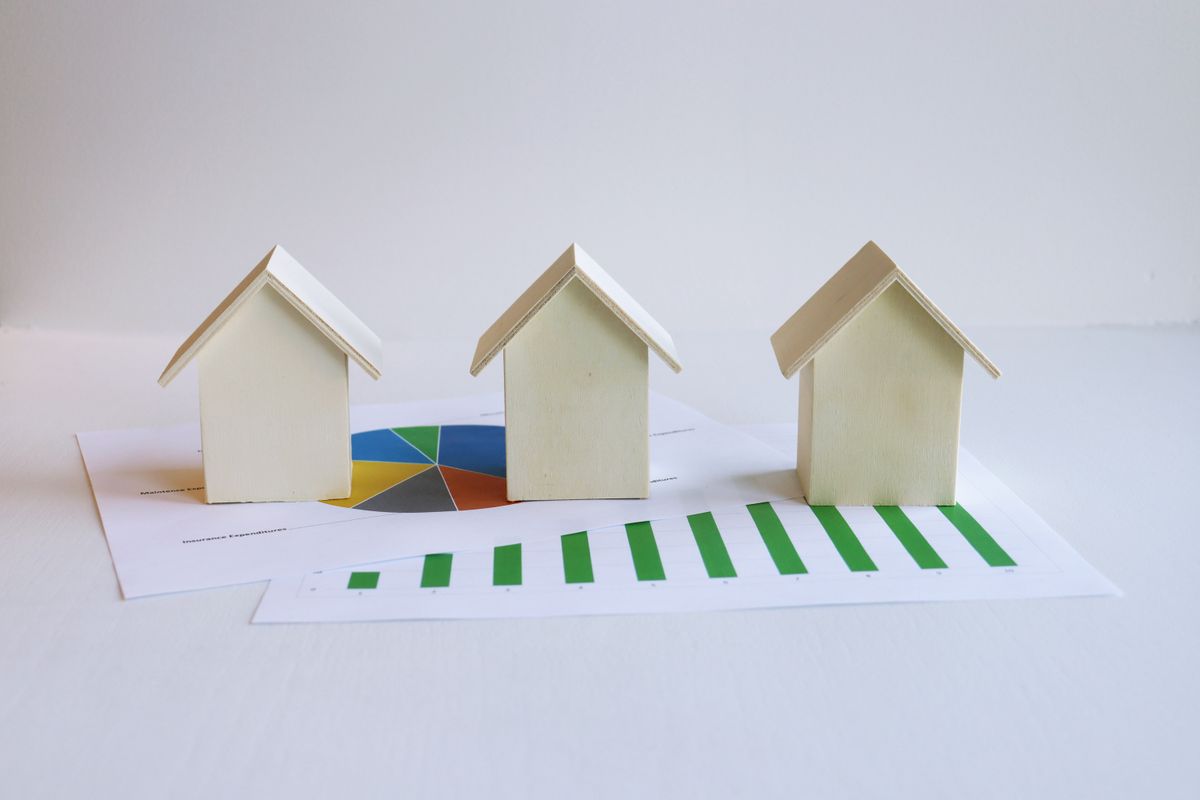
The national housing market is still expensive, but Chicago is moving at a much faster pace. Redfin reported that the median U.S. sale price reached a record $403,889, up 2.3% year over year. Chicago’s 7.7% gain is more than three times the national increase. That difference is what makes the local market stand out.
Chicago is not simply following the national trend. It is outperforming it. Part of the reason may be Chicago’s position as a relative bargain among major American cities. Compared with coastal markets such as San Francisco, New York, Los Angeles, and Seattle, Chicago can still look more affordable to buyers who want big city access without the highest big city price tags.
But that value story feels different for people already living in the region. For local renters and first-time buyers, a 7.7% annual jump can make homeownership feel harder to reach.
More Homes Are Being Listed, But Prices Are Still Climbing
There is one sign of movement in the market. Chicago also saw a 10.5% increase in new listings compared with a year earlier. That means more sellers are putting homes on the market. In theory, that should give buyers more choices and reduce some of the pressure that comes from tight inventory. But the price increase shows that more listings have not been enough to cool demand.
Many homeowners stayed on the sidelines in recent years because they did not want to give up low mortgage rates secured before borrowing costs climbed. Now, rising home values may be tempting some owners to list. For sellers, that can create an opportunity. For buyers, it may only mean more options at higher prices.
The Monthly Payment Is Still the Biggest Problem
The challenge for buyers is not just the price of the home. It is the total monthly payment. New data shows the median U.S. monthly housing payment climbed to $2,647 during the four weeks ending June 14. That was the highest level in a year and close to the record high reached in 2023.
Mortgage rates remain a major factor. Redfin reported that the weekly average mortgage rate stood at 6.52%, adding more pressure to buyers already dealing with record sale prices. That combination can change the math quickly. A buyer may be able to stretch for a higher home price when rates are low. A buyer may also accept a higher mortgage rate if prices are falling.
But when prices and rates are both high, the monthly payment can become the deal breaker. In Chicago, that pressure is especially important because prices are rising faster than the national average.
Renters Are Feeling the Pressure Too
Chicago’s housing story is not only about current homeowners and active buyers. It also affects renters who are trying to decide whether they can afford to buy. For many renters, homeownership is supposed to be the next step. But when prices rise quickly, and mortgage payments stay high, that step can become much harder.
The result is a difficult squeeze. Renting remains costly, but buying requires more income, more savings, and more confidence than it did just a year ago. First-time buyers may feel this most sharply. They are trying to save for a down payment while prices move higher in real time. For them, the market can feel like a finish line that keeps shifting forward.
Property Taxes Add Another Layer in Chicago
In Chicago, the sale price is not the only number buyers have to consider. Property taxes can play a major role in the real cost of owning a home in Illinois, especially in Cook County. A buyer may focus on the listing price at first, but the full monthly cost often includes taxes, insurance, maintenance, and possible assessments. That makes affordability more complicated.
A home that seems manageable on paper can look different once the entire ownership bill is added together. For buyers already stretched by higher prices and mortgage rates, property taxes can make the final decision even tougher. This is one reason Chicago’s price jump matters beyond the headline number. It can affect not only who buys, but who can afford to stay after buying.
Chicago Stands Out as Other Markets Cool
Chicago’s price growth looks even stronger when compared with several major markets where home prices are falling. Redfin reported that San Jose had the biggest annual price drop among major metros, down 5.3%. Portland, Seattle, San Antonio, and Orlando also saw declines. Overall, prices fell in 11 of the 50 largest metros tracked by Redfin.
That split shows how uneven the U.S. housing market has become. Some cities are cooling. Some are flat. Others, like Chicago, are still pushing higher. The national housing market may be strained, but Chicago is proving that strong demand has not disappeared everywhere.
What This Means for Buyers and Sellers

For sellers, the latest numbers may bring confidence. Rising prices and more active listing activity could make this a favorable time for homeowners who have been waiting to move. For buyers, the message is more complicated. More listings may help, but they do not guarantee lower prices.
Waiting for the market to soften may not work if Chicago continues to attract demand and prices keep climbing. At the same time, rushing into a home that stretches the budget too far can create long-term financial stress. That means buyers may need to be more strategic. Neighborhood flexibility, careful budgeting, and a clear understanding of the full monthly payment are becoming more important.
The Bigger Picture
Chicago’s 7.7% home price jump is more than a real estate statistic. It is a sign that one of America’s largest housing markets still has serious momentum. The city remains attractive because of its jobs, neighborhoods, architecture, transit, restaurants, cultural life, and lakefront access. For some buyers, it still looks like a better value than pricier coastal metros.
But for many local households, that same demand is making the market harder to enter. That is the central tension in Chicago right now. The city can look affordable from the outside and expensive from the inside. For homeowners, rising prices can build wealth. For first-time buyers, they can raise the wall even higher.
Chicago is now one of the nation’s standout housing markets in 2026. The question is whether that strength will create opportunity for more people, or make the dream of owning a home feel even farther away.