The Sneaky Food Additives Jacking Up Your Grocery Bill And How To Spot Them Before You Buy
Walk through any supermarket aisle today, and you will find thousands of food products competing for attention. Bright packaging, health claims, convenience promises, and attractive discounts often influence what shoppers put into their carts. But behind many labels is a hidden factor that can affect both your health choices and your grocery budget: food additives.
While many food additives serve legitimate purposes, some can raise prices by turning basic ingredients into highly processed products marketed as premium, convenient, or enhanced alternatives. Understanding what these additives are, why they are used, and how to identify them can help consumers make smarter purchasing decisions and potentially lower their grocery bills.
For shoppers trying to stretch their money further, learning how to read ingredient labels has become an important skill.
What Are Food Additives?
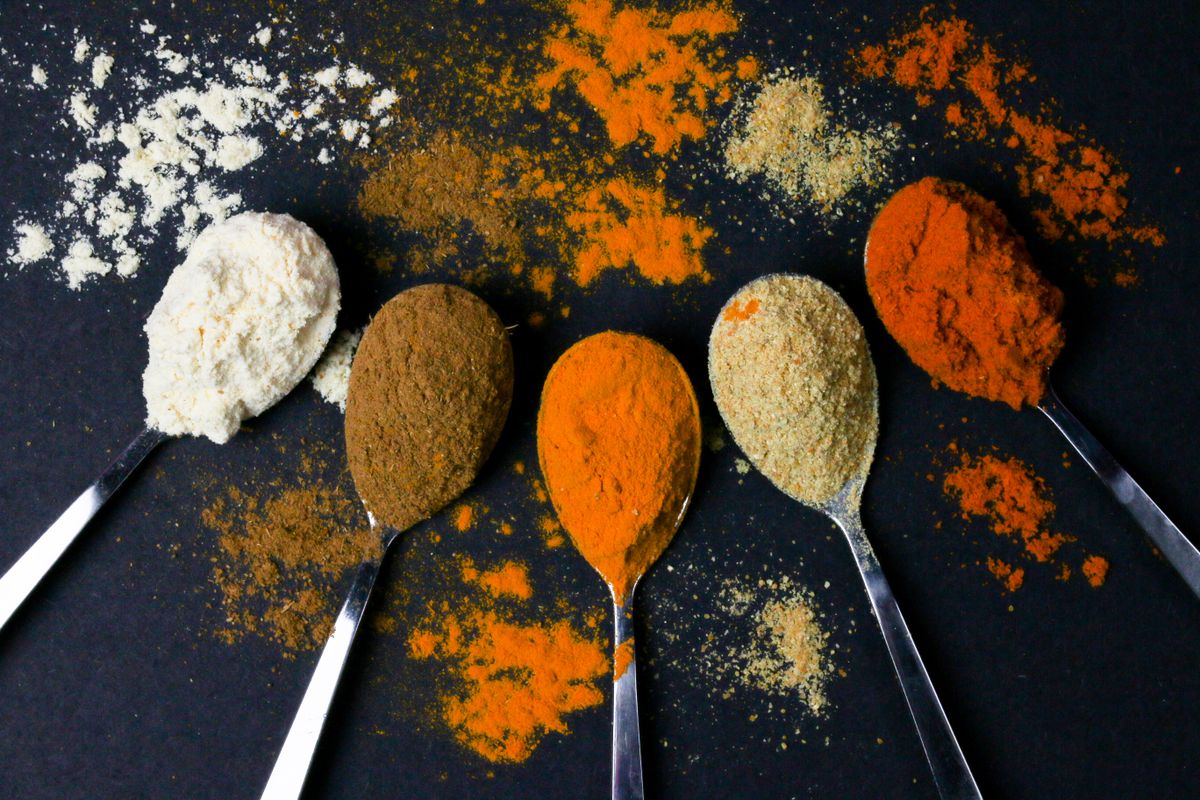
Food additives are substances added to foods to improve characteristics such as taste, texture, appearance, freshness, or shelf life. They have been used in food production for decades and can include preservatives, sweeteners, colorings, stabilizers, emulsifiers, and flavor enhancers.
Some additives help prevent food spoilage and reduce waste, while others improve product consistency or appearance. Food safety authorities regulate many additives, and they must meet specific requirements before approval.
However, the growing use of additives in processed foods has made ingredient lists longer and sometimes harder for consumers to understand.
For shoppers, the challenge is not simply identifying additives but understanding how they affect the products they buy and the prices they pay.
How Additives Can Increase Grocery Costs
Food manufacturers often use additives to create products that appear more appealing, last longer, or offer specific qualities that consumers are willing to pay more for.
For example, a basic product may become a “premium” version after adding extra flavors, textures, or functional ingredients. A simple snack may be marketed as a gourmet option because it contains added flavor compounds or specialty ingredients.
Similarly, convenience foods often include multiple additives designed to improve storage life, maintain texture after processing, or make preparation easier. These features can increase production costs, which may be reflected in the final price.
In some cases, consumers may pay more for marketing and processing rather than for higher-quality ingredients.
The Additives Commonly Found in Everyday Foods
Many shoppers encounter food additives daily without realizing it. They appear in a wide range of products, including cereals, sauces, snacks, beverages, frozen foods, and baked goods.
Preservatives
Preservatives help extend shelf life by slowing spoilage caused by bacteria, mold, or oxidation. They are common in packaged foods because they let products remain available longer.
While preservatives can reduce food waste, products with long ingredient lists may sometimes be more heavily processed than simpler alternatives.
Artificial Flavors
Artificial flavors recreate or strengthen tastes. They allow manufacturers to create consistent flavors across large quantities of products.
A product labeled with strong flavor claims, such as “extra cheesy” or “fruit-inspired,” may contain added flavor compounds rather than relying only on natural ingredients.
Sweeteners
Added sweeteners can appear in many products, including drinks, cereals, yogurt, and snacks. Some products use multiple sweetening ingredients to achieve a particular taste profile.
Checking the ingredient list can help shoppers identify whether a product contains added sweeteners and compare options.
Color Additives
Color additives make foods look more attractive or maintain a consistent appearance. Brightly colored snacks, drinks, and desserts often rely on added coloring.
While appearance can influence purchasing decisions, consumers may want to consider whether they are paying extra for visual appeal.
Emulsifiers and Stabilizers
These ingredients help maintain texture and prevent separation in products such as sauces, dressings, ice cream, and processed foods.
They can improve product quality, but they also add complexity to ingredient lists.
How to Spot Additives Before Buying
The easiest way to identify additives is to become familiar with food labels. Ingredient lists are usually arranged from largest to smallest, so the first few ingredients often reveal the main components of a product.
Here are some practical strategies:
Read Beyond the Front Label
Packaging often highlights attractive features such as “natural,” “premium,” “energy boosting,” or “enhanced.” However, the front of the package is designed for marketing.
The ingredient list provides more detailed information about what is actually inside.
Look for Long Ingredient Lists
A long ingredient list doesn’t automatically mean a product is unhealthy or low quality. However, a long list can indicate a highly processed food with multiple added components.
Comparing similar products can help shoppers find options with fewer unnecessary ingredients.
Recognize Common Additive Names
Some additives are easy to recognize, while others may appear under technical names or codes.
Common categories include preservatives, artificial colors, flavor enhancers, and stabilizing agents. Learning a few common examples can make label reading easier.
Compare Similar Products
When choosing between two products, comparing ingredient lists can reveal differences not obvious from the packaging.
One brand may contain fewer additives or simpler ingredients while offering a similar taste and price.
The “Health Halo” Marketing Trap
Another challenge for shoppers is the rise of products marketed as healthier alternatives. Terms such as “natural,” “light,” “low-fat,” or “fortified” can influence buying decisions.
However, these labels do not always tell the full story. A product may remove one ingredient but add others to maintain flavor, texture, or appearance.
Consumers can avoid confusion by looking beyond marketing messages and checking the complete ingredient information.
Are All Additives Bad?
Food experts emphasize that additives are not automatically harmful. Many serve important purposes, including preventing spoilage, improving safety, and maintaining quality.
The key issue for consumers is awareness. Understanding what additives do helps shoppers make informed decisions based on their preferences, budgets, and dietary needs.
Rather than avoiding every additive, many consumers focus on cutting back on unnecessary processed foods and choosing products that offer better value.
Simple Ways to Save Money at the Grocery Store
Reducing spending does not require eliminating all packaged foods. Instead, shoppers can combine smart purchasing habits with better label awareness.
Buying basic ingredients and preparing meals at home is often more affordable than buying heavily processed convenience products.
Choosing store brands, comparing unit prices, buying seasonal foods, and avoiding products with expensive marketing claims can also help reduce grocery costs.
Another useful strategy is focusing on what a product actually provides. A higher price does not always mean better nutrition or quality.
Becoming a Smarter Shopper
Food labels can seem confusing at first, but small changes in shopping habits can make a significant difference.
Taking a few extra seconds to read ingredients, compare products, and question marketing claims can help consumers understand where their money is going.
As food prices continue to rise, shoppers are becoming more interested in making every purchase count. Understanding how additives influence products and prices is another tool that can help families make informed choices.
The next time you walk through a grocery aisle, remember that the biggest savings may not always come from chasing discounts. Sometimes, they come from understanding exactly what you are paying for.