8 Common Cooking Shortcuts That Usually Ruin Homemade Meals
Some homemade meals do not fail because the cook lacks talent. They fail because hunger gets loud, patience gets thin, and somebody decides the recipe can survive a few “small” shortcuts. That is how chicken comes out dry, rice turns gluey, vegetables become sad and watery, and a sauce that had promise ends up tasting like warm confusion.
The truth is that cooking is full of tiny turning points. A pan that is not hot enough. Garlic was added too early. Meat sliced before it rests. Pasta was drained without saving the water. These things sound small, almost too small to matter, until dinner lands on the plate and everyone starts chewing politely. Homemade food does not need perfection, but it does need respect for timing, heat, texture, and taste.
Skipping the Preheat Step

This shortcut usually starts with confidence. The oven is almost hot, the food is ready, and waiting feels pointless. So the tray goes in early, the timer starts, and the cook walks away feeling efficient. Then the roasted potatoes come out pale and soft instead of crisp, the cookies spread into flat little puddles, or the chicken cooks through before the skin ever gets the chance to brown.
Preheating matters because food reacts to heat the moment it enters the oven. A properly heated oven gives baked goods lift, helps proteins set correctly, and gives vegetables that beautiful roasted edge. When food is placed in a lukewarm oven, it spends too much time warming up rather than cooking properly. That early delay can ruin texture before the recipe even has a fair chance. The meal may still be edible, but edible is not the same as satisfying.
Crowding Everything Into One Pan
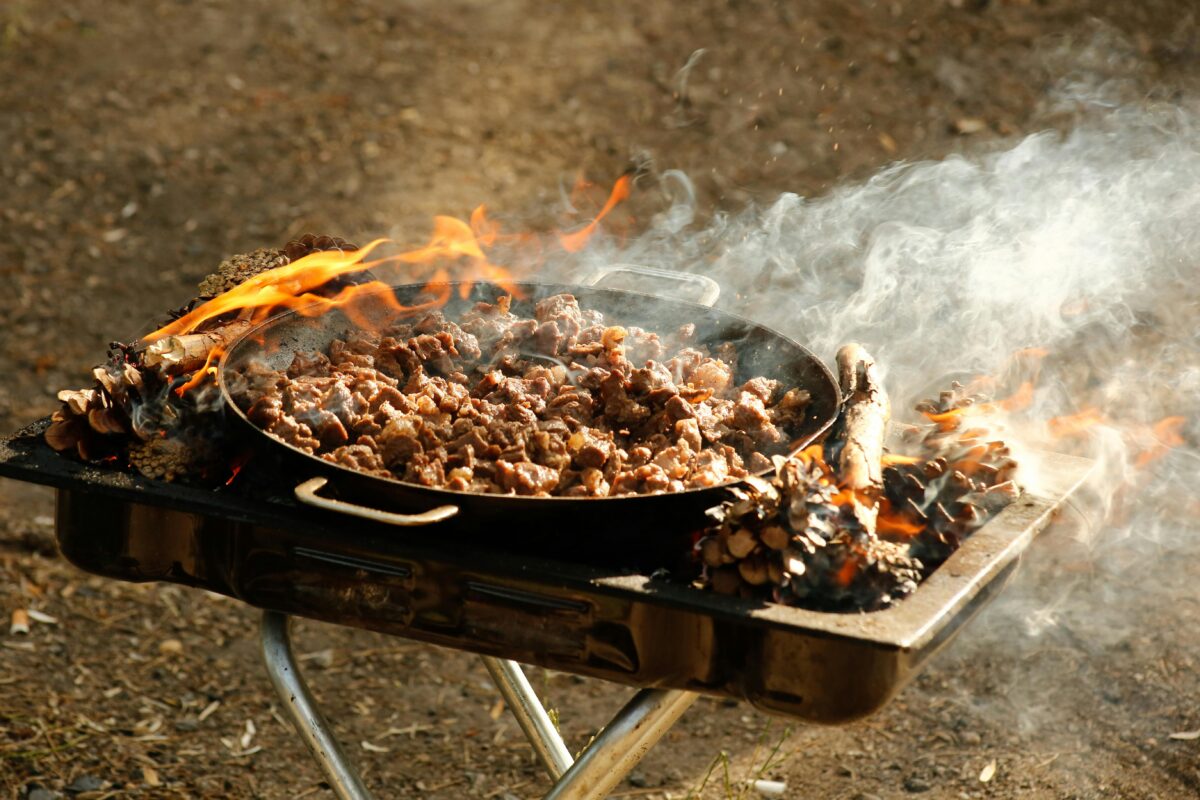
Crowding the pan is the shortcut that people defend the hardest because it feels practical. Nobody wants to wash two pans or cook in batches after a long day. So the chicken, onions, peppers, mushrooms, and potatoes all get squeezed together like passengers in a packed elevator. The cook expects a golden sear, but what happens instead is steam, moisture, and disappointment.
Food needs space to release water and develop color. When ingredients are piled too tightly, the heat drops, moisture gets trapped, and browning never really happens. Mushrooms become rubbery. Chicken stays pale. Vegetables turn limp instead of caramelized. The difference between steaming and searing can completely change the personality of a meal. A crowded pan gives you food that is technically cooked, but it often tastes tired, flat, and unfinished.
Turning the Heat Too High to Save Time
High heat feels powerful. It gives the illusion that dinner is moving faster, especially when people are hungry, and the clock is already judging you. But turning every burner to the highest setting is one of the fastest ways to damage flavor. Garlic burns before the onions soften. Pancakes darken outside while staying wet in the middle. Meat gets a harsh crust but remains uneven inside.
Heat is not just speed. Heat is controlled. Different foods need different levels of patience. Onions need time to become sweet. Sauces need gentle heat to come together. Eggs need softness, not punishment. The real skill is knowing when food needs a push and when it needs a slower hand. A good meal often comes from medium heat and attention, not from attacking the pan as if it owes you money.
Using Garlic Like It Can Survive Anything

Garlic is powerful, but it is not invincible. Many home cooks toss it into hot oil first because it smells amazing right away. For a few seconds, the kitchen feels like a restaurant. Then the garlic turns brown, then bitter, and suddenly the whole dish takes on a sharp, burnt taste that no amount of extra seasoning can fully mask.
Garlic usually needs less time than onions, meat, peppers, or carrots. It should often go in after the harder ingredients have softened or just before liquid is added. This gives it enough time to release flavor without burning. Burnt garlic is one of those small mistakes that spreads through an entire dish. It does not stay in one corner of the pan. It follows every bite like a bad rumor.
Not Tasting Until the Food Is Finished

Cooking without tasting is a bold gamble, and the house does not always win. Some people season once at the beginning, follow the recipe like a contract, and wait until the dish is served to discover the soup is dull, the stew is too salty, or the sauce needs brightness. By then, everyone has a plate, and the rescue mission becomes awkward.
Tasting as you cook is how a meal becomes personal and balanced. Tomatoes may need sugar or acidity, depending on their sweetness. Soup may need salt after simmering. Beans may need more spice. A sauce may need lemon, vinegar, butter, or a splash of pasta water. Recipes give direction, but ingredients are not always the same. One onion may be sweeter than another. One brand of broth may be saltier than another. The spoon tells the truth before the guests do.
Cutting Ingredients in Random Sizes
Fast chopping feels harmless until the pan reveals the problem. Tiny pieces of potato fall apart while the big chunks stay firm. Thin carrot slices overcook before the thicker ones soften. Chicken pieces brown unevenly, leaving some dry and others suspiciously underdone. The meal becomes a patchwork of textures that do not belong together.
Consistent cutting is not about making food look fancy for social media. It is about helping everything cook at the same pace. Similar pieces absorb heat similarly, which makes the dish easier to control. You do not need perfect chef knife skills, but you do need intention. A rustic meal can still be carefully cut. There is a big difference between relaxed cooking and careless chopping.
Adding All the Ingredients at Once

The one-pot dump method sounds attractive because it promises less thinking, less cleaning, and less effort. Sometimes it works for very specific recipes, but many meals suffer when everything goes into the pot at once. Onions do not get a chance to soften. Spices do not get a chance to bloom. Meat does not brown. Delicate vegetables collapse before the tougher ones are ready.
Flavor is usually built in layers. Onions and aromatics create the base. Spices wake up in oil. Meat develops depth when it browns. Liquids lift the browned bits from the bottom of the pan. Vegetables join at the right moment so they keep their shape and taste. When everything gets thrown in together, the dish may fill the stomach, but it rarely feels rich. It tastes like ingredients that met each other five minutes ago and never really became friends.
Rinsing Pasta After Cooking
Rinsing pasta after boiling is one of those shortcuts that sounds clean and logical. The pasta is hot, a little sticky, and sitting in a colander. So people run water over it and feel like they are improving the texture. In reality, they often wash away the starch that helps the sauce cling beautifully to the noodles.
That surface starch is useful. It helps the sauce cling to the pasta instead of sliding off and pooling at the bottom of the plate. For hot pasta dishes, draining and saucing quickly is usually better than rinsing. Even better, save a little pasta water before draining. That cloudy water can loosen sauce, help it emulsify, and make the whole dish taste more connected. Rinsing may give you separate noodles, but it can also give you a sauce that refuses to belong.
Using Cold Meat Straight From the Fridge

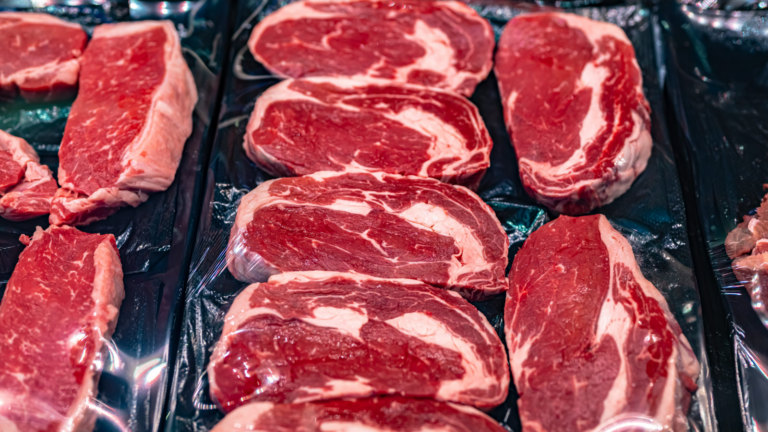
Taking meat straight from the fridge and throwing it into a hot pan feels normal because people want to get cooking immediately. The trouble is that very cold meat can cook unevenly. The outside may brown too quickly while the inside lags behind. Steak can become gray instead of deeply seared. Chicken can tighten up and lose juiciness before the center is fully done.
Letting meat sit briefly before cooking can help it cook more evenly, especially with thicker cuts. The goal is not to leave food sitting around for hours. It is simply to avoid shocking the pan with ice-cold protein. Drying the surface with a paper towel also matters because wet meat steams instead of browning. Good browning is flavor. It is the difference between meat that tastes boiled and meat that tastes like dinner had ambition.
Skipping the Resting Time
Resting food feels cruel when everyone is hungry. The meat is done, the smell is rich, and the knife is already waiting. But slicing too soon can ruin the result in seconds. Juices run across the board, the meat turns drier on the plate, and the cook wonders why it looked better before cutting.
Resting lets juices redistribute and helps food settle. It matters for steak, roast chicken, pork chops, casseroles, lasagna, rice, and even baked goods. A lasagna cut too early becomes a messy landslide. Rice fluffed too aggressively before resting can become sticky. A cake sliced while too hot can crumble apart. Those quiet minutes at the end are not wasted time. They are part of the cooking.
Measuring With Too Much Confidence
Some cooks proudly refuse to measure anything. That can work when someone truly understands the dish, but it can wreck baking, sauces, rice, and anything that depends on balance. A casual extra scoop of flour can make the cake dry. Too much oil can make dressing heavy. Too much water can turn rice into paste.
There is a difference between cooking by instinct and guessing wildly. Experienced cooks taste, adjust, observe, and understand what ingredients do. They are not just throwing things around and hoping for applause. For beginners, measuring is not a weakness. It is training. Once you understand the rhythm of a dish, you can loosen up. Until then, the measuring spoon is not your enemy. It is the friend trying to keep dinner from becoming a cautionary tale.
Using Old Spices and Expecting Big Flavor
Old spices are quite meal killers. They sit in the cabinet for years, looking useful, but their flavor slowly fades. Then a cook adds paprika, cumin, oregano, curry powder, or chili flakes, only to wonder why the food still tastes dull. The label says spice, but the aroma says cardboard.
Spices do not always spoil dramatically, but they do lose strength. A good habit is to smell them before using them. If a spice has no aroma, it will probably add very little to the food. Toasting spices briefly in oil can also help wake them up, but it cannot perform miracles on a jar that has been aging since another presidency. Fresh seasoning can make a simple dish taste alive. Dead spices make even good ingredients feel sleepy.
Serving Food Without a Final Touch

Many homemade meals come close to being great, then stop one step too early. The soup is cooked, but it needs a squeeze of lemon. The beans are tender, but they need herbs. The fried eggs are ready, but they need black pepper. The roasted vegetables are fine, but a little vinegar, yogurt, chili oil, or fresh parsley could make them memorable.
The final touch is where food gets personality. Restaurants understand this. They finish dishes with acid, crunch, herbs, butter, fresh oil, or a small hit of salt. Home cooks can do the same without making the meal complicated. A little freshness at the end can wake up flavors that felt heavy or flat. It is the final sentence in the story, and skipping it can make the whole dish feel unfinished.
Conclusion
Cooking shortcuts are tempting because real life is messy. People cook after work, after traffic, after school runs, after bills, after long days that have already taken too much patience. Nobody wants to be told that dinner needs more time when hunger is standing in the kitchen with folded arms. But the shortcuts that ruin meals usually do not save as much as they promise. They steal texture, flavor, balance, and that deep, homemade comfort people actually crave.
The better approach is not to turn every meal into a cooking show. It is to protect the small steps that carry the most weight. Preheat the oven. Give food space. Use the right heat. Taste as you go. Cut ingredients with care. Let flavors build. Rest the food before serving. Add the final bright touch that makes the plate feel complete.
Homemade meals do not need to be perfect to be wonderful. They need attention in the right places. A few extra minutes can turn pale chicken into golden chicken, watery vegetables into caramelized vegetables, and bland sauce into something people remember. The kitchen rewards patience, but it does not demand perfection. It simply asks you to stop rushing the parts that matter most.