New York’s Pied-à-Terre Tax Fight Reveals a Deeper Battle Over Luxury Homes, Wealth, and the Future of the City
A multimillion-dollar apartment sitting empty for most of the year has become the center of a major debate in New York City. The pied-à-terre tax fight is no longer just about a proposed tax policy, but about who benefits from one of the world’s most expensive housing markets.
The legal challenge against the pied-à-terre tax has placed wealthy property owners, city officials, and housing advocates on opposite sides of a growing conflict. Supporters argue that luxury homeowners who use apartments as occasional residences should contribute more to a city facing rising costs and a housing shortage.
Opponents say the policy unfairly targets a specific group of homeowners and could create a dangerous precedent for taxing people based on where they live. The dispute now represents a larger question facing major cities worldwide: should wealthier residents pay more when they own valuable properties that are rarely occupied?
As the lawsuit moves forward, the debate surrounding the pied-à-terre tax exposes deeper tensions over housing affordability, inequality, and the changing identity of New York City.
The Luxury Apartments at the Center of New York’s Growing Housing Debate

New York City has always attracted wealthy buyers from around the world who want a connection to Manhattan’s financial, cultural, and social opportunities. For many affluent residents, owning a second apartment in the city provides convenience, privacy, and access to business or entertainment districts. These properties often exist alongside neighborhoods where longtime residents face increasing pressure from rising rents and limited housing options.
The pied-à-terre tax debate emerged from this sharp contrast between luxury real estate growth and everyday housing challenges. Housing advocates argue that some expensive apartments function less like homes and more like financial assets. They believe certain properties are purchased as investments, stored wealth, or occasional retreats rather than places where people regularly live.
Supporters of the pied-à-terre tax say New York should recognize the unique impact of these properties on the housing market. They argue that when high-value apartments remain mostly unused, the city loses potential housing opportunities while still providing public services that support those properties. They argue that owners benefiting from New York’s infrastructure should help fund the city’s future.
The issue has become especially sensitive because New York’s housing crisis affects millions of residents. Families, young professionals, and essential workers continue to search for affordable places to live while luxury developments continue expanding in some areas. The pied-à-terre tax has become a symbol of the conflict between global wealth and local housing needs.
A Tax Proposal That Turned Into a Fight Over Fairness
The term pied-à-terre describes a secondary residence, usually located in a major city, that an owner uses occasionally rather than as a primary home. In New York, these properties are often associated with high-priced apartments in neighborhoods such as Midtown Manhattan, Tribeca, and the Upper East Side. Many owners include international buyers, business executives, and wealthy individuals who spend limited time in the city.
The proposed pied-à-terre tax was designed around the idea that luxury second homes should generate additional revenue. Supporters believe that owners of extremely valuable properties can contribute more without facing the same financial pressure experienced by average homeowners. They argue the tax would help support programs connected to housing, transportation, and public services.
Critics strongly disagree with that approach. They argue that property ownership already comes with significant financial responsibilities, including existing taxes, maintenance costs, and contributions to the local economy. They believe the pied-à-terre tax creates a system where some homeowners are treated differently because they live elsewhere.
The disagreement highlights a broader debate about taxation in America’s largest cities. Governments often look for new revenue sources as costs rise, but those efforts can create conflicts over fairness and economic competitiveness. The lawsuit reflects the challenge of balancing public needs with private property rights.
Why Empty Luxury Homes Have Become a Symbol of New York’s Inequality
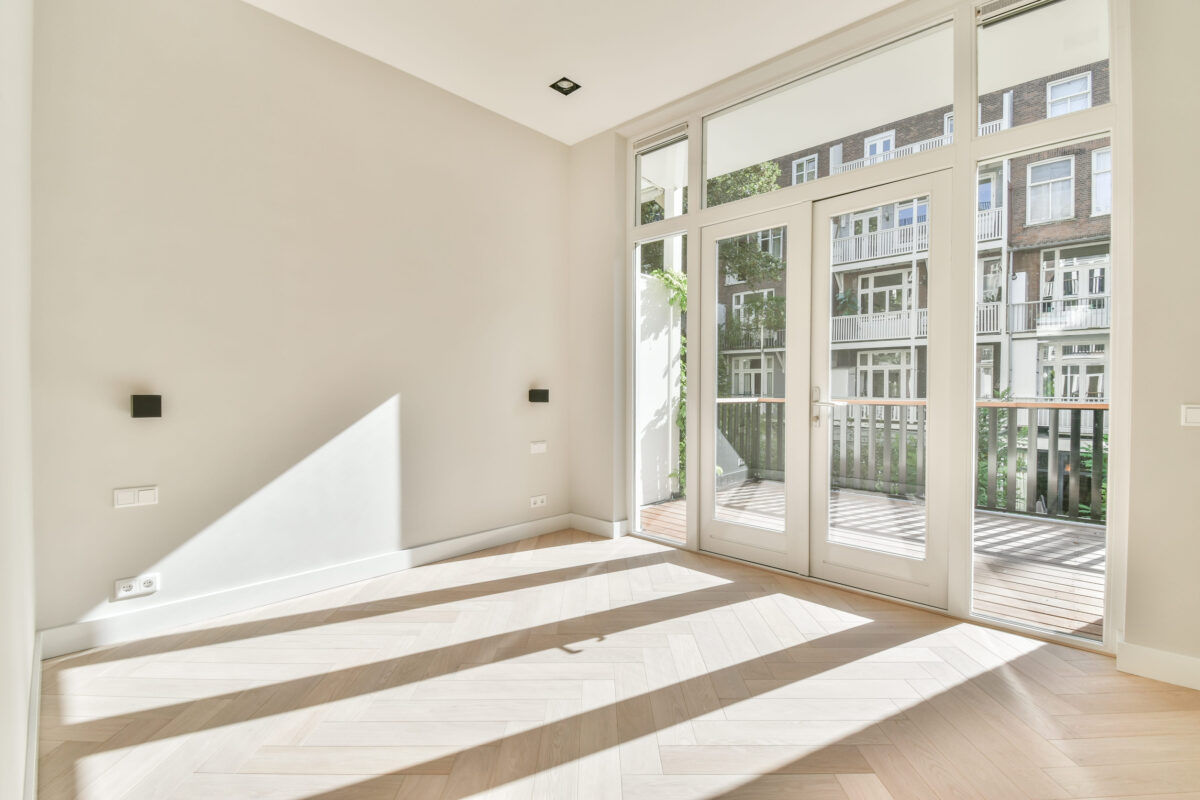
The controversy surrounding the pied-à-terre tax goes beyond a legal argument about property rules. For many residents, it represents a visible reminder of the city’s widening gap between those who can afford luxury housing and those struggling with everyday expenses. A dark apartment window in a premium building can carry a different meaning depending on who is looking at it.
Housing advocates argue that rarely occupied luxury homes highlight a larger problem. They say New York has become increasingly attractive to wealthy investors while many working residents face high rents and limited choices. From their perspective, the pied-à-terre tax is an attempt to make sure the wealth generated by the city contributes back to the communities that support it.
Real estate groups offer a different explanation. They argue that empty or occasionally used apartments are not the primary reason for New York’s housing shortage. They point to factors such as limited construction, zoning restrictions, and high development costs as larger obstacles preventing the city from creating enough housing.
The disagreement shows why the pied-à-terre tax has become such a powerful issue. It represents competing views about the causes of New York’s housing problems. One side focuses on wealth concentration and unused luxury properties, while the other points toward broader structural challenges in the housing system.
The Legal Challenge Could Decide How Far Cities Can Go With Luxury Taxes
The lawsuit against the pied-à-terre tax could have consequences far beyond New York’s borders. Cities across the United States and around the world are examining ways to raise revenue from expensive properties as housing costs increase. A major court decision could influence how governments design future policies targeting wealthy property owners.
At the center of the legal fight is whether New York can create a separate tax burden for owners of second homes. Opponents argue that residency-based taxation creates unequal treatment among property owners. Supporters counter that luxury properties used as secondary residences represent a unique category that deserves special consideration.
The outcome could determine whether cities have greater freedom to address housing inequality through taxation. If courts allow the pied-à-terre tax to move forward, other major cities could consider similar approaches. If the policy fails, governments may need to explore different strategies for collecting revenue from high-value real estate.
The legal battle also raises questions about the future relationship between cities and wealthy residents. Major urban centers depend on investment, but they also face pressure to remain accessible to ordinary workers. Finding a balance between those competing interests has become one of the biggest challenges facing modern cities.
The Billion Dollar Question: Is New York Becoming a Place Only the Wealthy Can Afford?
New York City has always been a place of extremes. It has attracted artists, entrepreneurs, immigrants, and business leaders seeking opportunity. At the same time, the city has struggled with affordability concerns that threaten to push many residents away.
The pied-à-terre tax debate reflects this complicated identity. Supporters believe the city must protect residents who live and work there every day. They argue that wealthy individuals who purchase expensive second homes should accept a greater responsibility for maintaining the city’s future.
Opponents worry that policies aimed at wealthy homeowners could create unintended consequences. They argue that New York’s appeal depends partly on attracting successful individuals who invest in property, businesses, and local communities. Additional taxes, they say, could influence decisions about where wealthy residents choose to spend their money.
The challenge for New York is finding a solution that addresses inequality without damaging the economic activity that helps drive the city. The pied-à-terre tax debate shows how difficult that balance can be. A policy designed to solve one problem can create another if lawmakers do not carefully consider the wider effects.
Beyond the Lawsuit, a Bigger Question About the Future of Urban Life Remains
The battle over the pied-à-terre tax is part of a larger conversation happening in cities around the world. Urban centers are becoming increasingly valuable, but that success often brings higher housing costs and deeper divisions between residents. Governments are searching for ways to ensure growth benefits more than just the wealthiest groups.
New York’s experience demonstrates the complexity of solving housing challenges. Taxing luxury properties may provide additional revenue, but it cannot address every issue affecting affordability. Long-term solutions may require a combination of housing development, policy changes, and careful management of real estate markets.
The pied-à-terre tax debate also raises a fundamental question about what a city should represent. Should global investors and wealthy homeowners have unlimited access to valuable urban spaces, or should cities prioritize the people who live and work there every day?
As the lawsuit continues, the outcome will determine more than the future of one tax proposal. It will reveal how New York balances wealth, ownership, and community in an era when the cost of living in major cities continues to rise.
The fight over the pied-à-terre tax is ultimately a fight over the meaning of home itself. In a city where real estate represents both opportunity and inequality, the question remains whether New York can remain a place for everyone or whether its most valuable spaces will belong only to those who can afford them.