9 Things Grandma Did Before Grocery Shopping That Could Still Save Families Money
Grandma never just wandered into the supermarket and hoped for the best. Before she ever picked up her purse, she had already looked through the pantry, scanned the newspaper ads, and written out a list on the back of an envelope. By the time she reached the store, she knew exactly what she needed and how much she planned to spend.
Today, many families shop on the way home from work with no plan at all, and the grocery bill shows it. With food prices still high, Grandma’s careful routine looks smarter than ever. Here are nine things Grandma did before grocery shopping that could still help families save money, along with simple ways to bring them into a modern kitchen.

1. She Checked the Pantry First
Before making a list, Grandma looked through her cupboards to see what she already had. She knew whether she was low on flour, sugar, or canned tomatoes. That way, she never came home with a fourth jar of peanut butter.
This simple habit prevents a lot of wasted money. Many people buy duplicates because they forget what is hiding at the back of the shelf. A quick look before shopping can stop that and help you use up older items first.
2. She Looked Inside the Refrigerator
Grandma also checked what needed to be eaten soon. Half a head of cabbage, a few eggs, or leftover ham could become part of the next meal. She built her plans around what was already on hand.
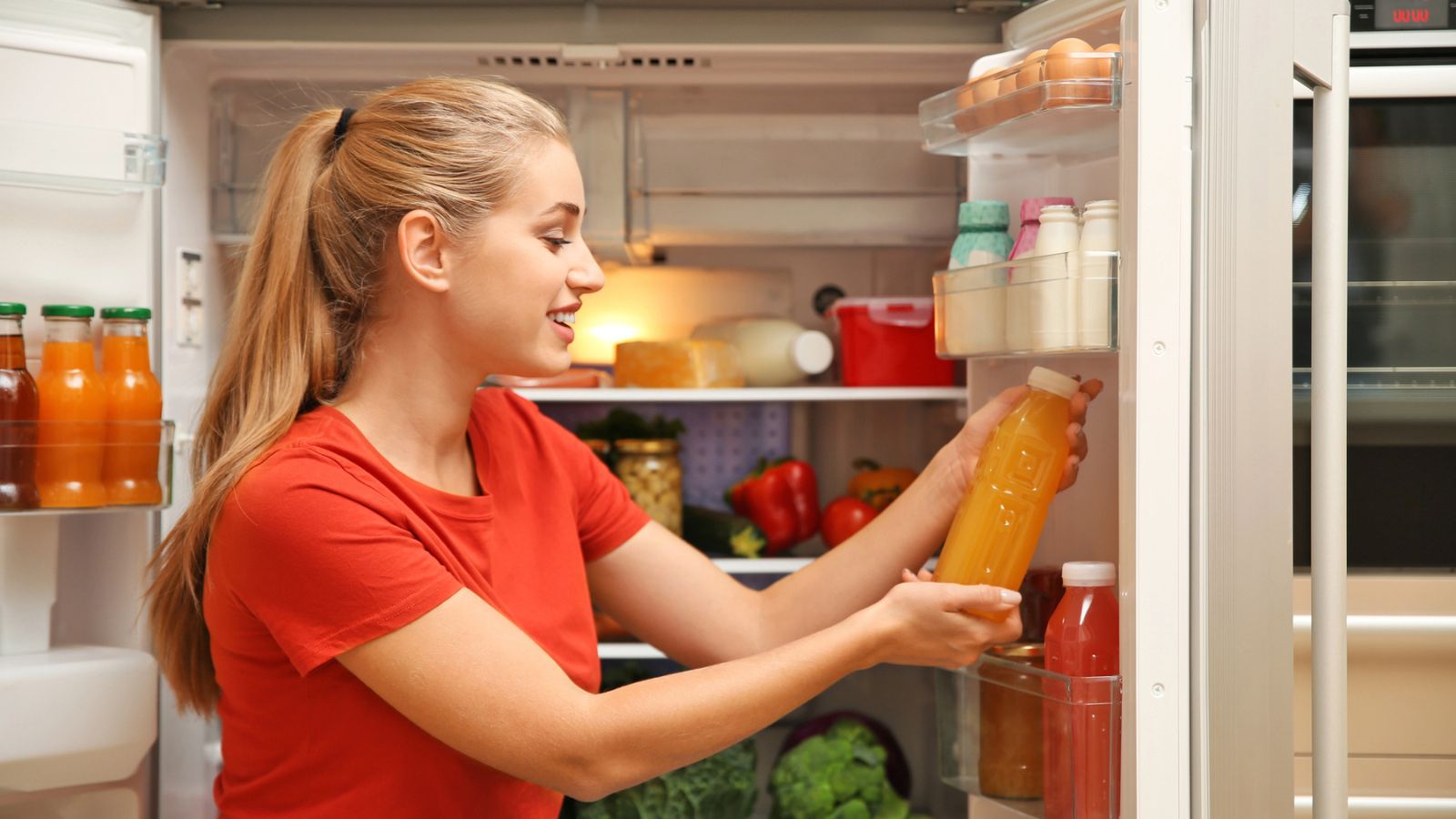
This keeps food from spoiling before anyone remembers it. It also means you buy fewer new ingredients each week. Planning one or two meals around leftovers can make a real difference to the grocery bill.
3. She Planned Several Dinners Ahead
Grandma usually knew what she would cook for most of the week. She might plan a roast for Sunday, soup for Monday, and casseroles for the days in between. Each meal often used ingredients from the one before.
Planning ahead helps families avoid expensive last-minute takeout. It also makes shopping faster because you know exactly what to buy. Even planning just four or five dinners can save money and reduce stress.
4. She Read the Weekly Store Ads
The newspaper circular was an important part of Grandma’s shopping routine. She looked at what was on sale and planned meals around those items. If chicken was cheap that week, chicken was on the menu.
Today, weekly ads are available online and in store apps. Checking them before you shop can help you plan meals around the best deals. It is one of the easiest ways to cut costs without giving up good food.
Grandma also knew which items went on sale in predictable cycles. Baking supplies dropped in price before the holidays, and grilling meats were cheaper around summer weekends. Paying attention to those patterns helped her stock up at the right time instead of paying full price when she ran out.
5. She Clipped Coupons for Things She Used
Grandma kept a little envelope or box of coupons sorted by category. She clipped them from the Sunday paper and only used them for things she actually needed. A few cents here and there added up over the year.
Coupons still exist, though many are now digital and loaded onto store loyalty cards. The key is the same as it was for Grandma: only use them for items you would have bought anyway. A coupon for something you don’t need is not really a savings.
6. She Wrote a Shopping List
Grandma’s shopping list was often organized by the layout of the store. Produce was at the top, then meat, dairy, and canned goods. She stuck to the list and rarely made impulse buys.

A written list remains one of the best tools for saving money. Shoppers who wander the aisles without one are more likely to pick up extra snacks and treats. Keeping a running list on the refrigerator or on your phone makes it easy to stay on track.
7. She Set a Cash Budget
Many grandmothers shopped with a set amount of cash in their purse. When the money was gone, the shopping was done. This made it impossible to overspend, even by accident.
Using cash for groceries can still help people stay within a budget. Seeing the money leave your hands feels different from swiping a card. Even if you use a card, setting a firm limit before shopping can help you make careful choices.
8. She Checked the Freezer
Grandma’s freezer was often full of meat bought on sale, leftover soups, and vegetables from the garden. Before shopping, she checked what she had stored. That frozen roast might become Sunday dinner instead of buying a new one.
Many families forget what is buried in the back of their freezer. Taking inventory helps you use what you already paid for. The USDA FoodKeeper app can help you see how long different foods stay at their best quality in the freezer.
9. She Ate Before She Went
Grandma knew better than to shop hungry. A cup of coffee and a bite to eat before leaving home kept temptation away. She was less likely to grab cookies or snacks she didn’t need.
Most people know from experience that hunger makes everything in the aisles look tempting. Shopping after a meal makes it easier to stick to your list. It is a small step that can protect your budget every single week.
Why Preparation Matters
Grandma’s routine shows that the real savings happen before you walk into the store. Knowing what you have, what you need, and how much you can spend makes every trip more efficient. These habits cost nothing and can still save families hundreds of dollars a year.
Some of the frugal habits younger people once teased now look smart. For more ways to stretch your money, try these wallet-friendly life hacks. Which of Grandma’s habits do you still follow before shopping?