8 Old-Fashioned Foods That Some Americans Want to Bring Back and Others Would Rather Forget
Every family has at least one dish that splits the dinner table in two. Mention it at a holiday gathering, and one cousin’s eyes light up while another makes a face. Older relatives remember it fondly, and younger ones wonder how anyone ever ate it on purpose.
Many of these foods were everyday meals for earlier generations. They were cheap, filling, and made with whatever the pantry and butcher counter offered. Times and tastes have changed, but the arguments over them are as lively as ever. Here are eight old-fashioned foods that some Americans would love to bring back, while others would be perfectly happy never to see them again.
1. Liver and Onions
Few dishes cause stronger reactions than liver and onions. Older Americans often remember it as a regular weeknight meal, with slices of beef or calf’s liver fried in a skillet and smothered in sweet, caramelized onions. Many diners also kept it on the menu as a blue-plate special.
Fans love its rich, earthy flavor and say it was one of the most nourishing meals of their childhood. Liver is packed with iron, vitamin B12, and vitamin A, although the NIH notes that very high vitamin A intake can be harmful, so it is best eaten in moderation. Critics, meanwhile, can’t get past the strong taste and soft texture.
2. Perfection Salad
Perfection Salad was a molded gelatin dish filled with shredded cabbage, celery, and sometimes pimentos or green peppers. It became popular in the early 1900s and stayed on buffet tables for decades. It wobbled, it shimmered, and it was supposed to look impressive.
Some people remember it as a refreshing, tangy side dish at church suppers and bridal showers. Others recall it as a strange mix of vinegar, vegetables, and jiggly gelatin that nobody touched. It rarely appears today, except at retro parties or in old cookbooks.
Gelatin salads were so popular in the mid-1900s that many cookbooks devoted whole chapters to them. Home cooks owned fancy copper and aluminum molds in the shape of rings, fish, and stars. Turning one out perfectly onto a plate was a point of pride for many hostesses.
3. Creamed Chipped Beef on Toast
Creamed chipped beef is thin, salty dried beef stirred into a white gravy and spooned over toast. It was a common breakfast in many homes and a familiar meal in military mess halls. Veterans often know it by a less polite nickname, usually shortened to “S.O.S.”
Many people who grew up with it still crave it on cold mornings. It is fast, filling, and made with simple ingredients, which is why it fed so many families. Others remember it as a salty, gray plate of food they were forced to eat before school.
4. Ambrosia Salad
Ambrosia is a sweet salad made with canned mandarin oranges, pineapple, shredded coconut, mini marshmallows, and sometimes maraschino cherries. It is usually bound together with sour cream or whipped topping. In the South, it has long been a holiday tradition.
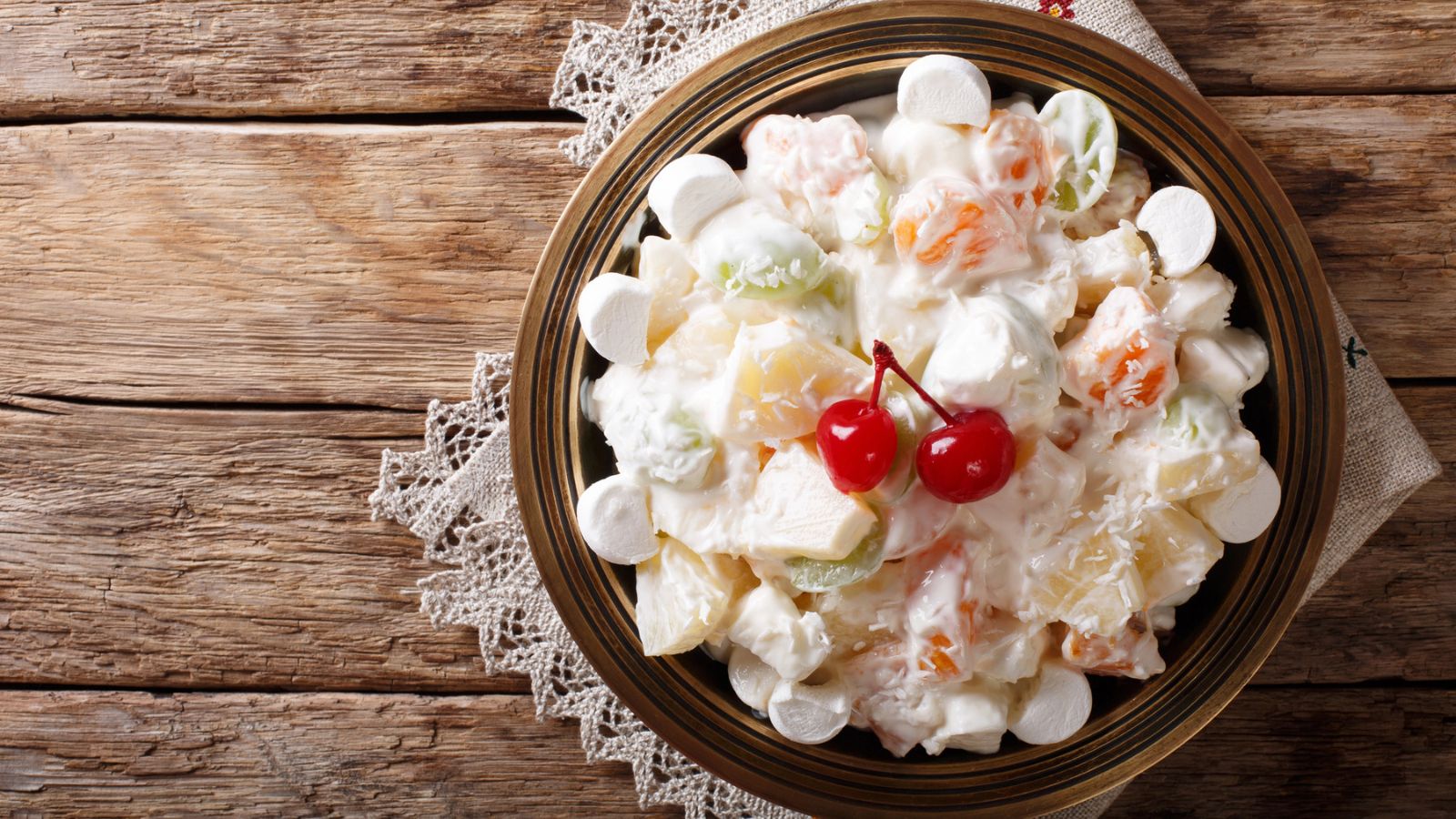
Its fans say it tastes like Christmas and family reunions. Many older recipes used only fresh oranges and coconut, which some cooks still prefer. Critics, however, find it overly sweet and can’t decide whether it is a salad, a side dish, or a dessert.
5. Vienna Sausages
Vienna sausages come in small cans, packed tightly in broth. They were a popular snack for road trips, fishing outings, and hunting camps, often eaten straight from the can with saltine crackers. Many kids also found them in their lunchboxes.
Some people still keep a few cans in the pantry for nostalgia or emergencies. They are inexpensive and need no cooking at all. Others can’t stand their soft texture and the jelly-like broth that clings to them.
6. Salmon Loaf
Salmon loaf was a popular weeknight dish, especially when money was tight or meat was expensive. Cooks mixed canned salmon with breadcrumbs, eggs, onion, and milk, then baked it in a loaf pan. It was often served with a creamy sauce or peas.
Many people remember it fondly and say it is just as tasty as meatloaf. Canned salmon is also a good source of protein and omega-3 fats, which makes it a smart choice today. Others recall picking out the tiny bones and wishing they were having anything else for supper.
Some families still make salmon loaf during Lent, when many Catholic households skip meat on Fridays. Others have updated the recipe with fresh herbs, lemon, or a crispy topping. Even people who disliked it as children sometimes admit it tastes better than they remembered.
7. Pickled Pigs’ Feet
Pickled pigs’ feet were once a common sight in big jars on country store counters and in Southern kitchens. The feet were cooked, then preserved in a tangy vinegar brine. They were eaten as a snack, often with hot sauce and crackers.
For some families, they are a cherished taste of home and tradition. They also reflect a time when no part of the animal went to waste. For others, the gelatinous texture and the sight of the jar are enough to keep them far away.
8. Spam
Spam was introduced by Hormel in 1937 and became famous during World War II, when it was shipped overseas to feed soldiers and allies. According to Hormel, more than 100 million pounds were shipped abroad to feed Allied troops. Many American families kept a can in the pantry for quick breakfasts and sandwiches.
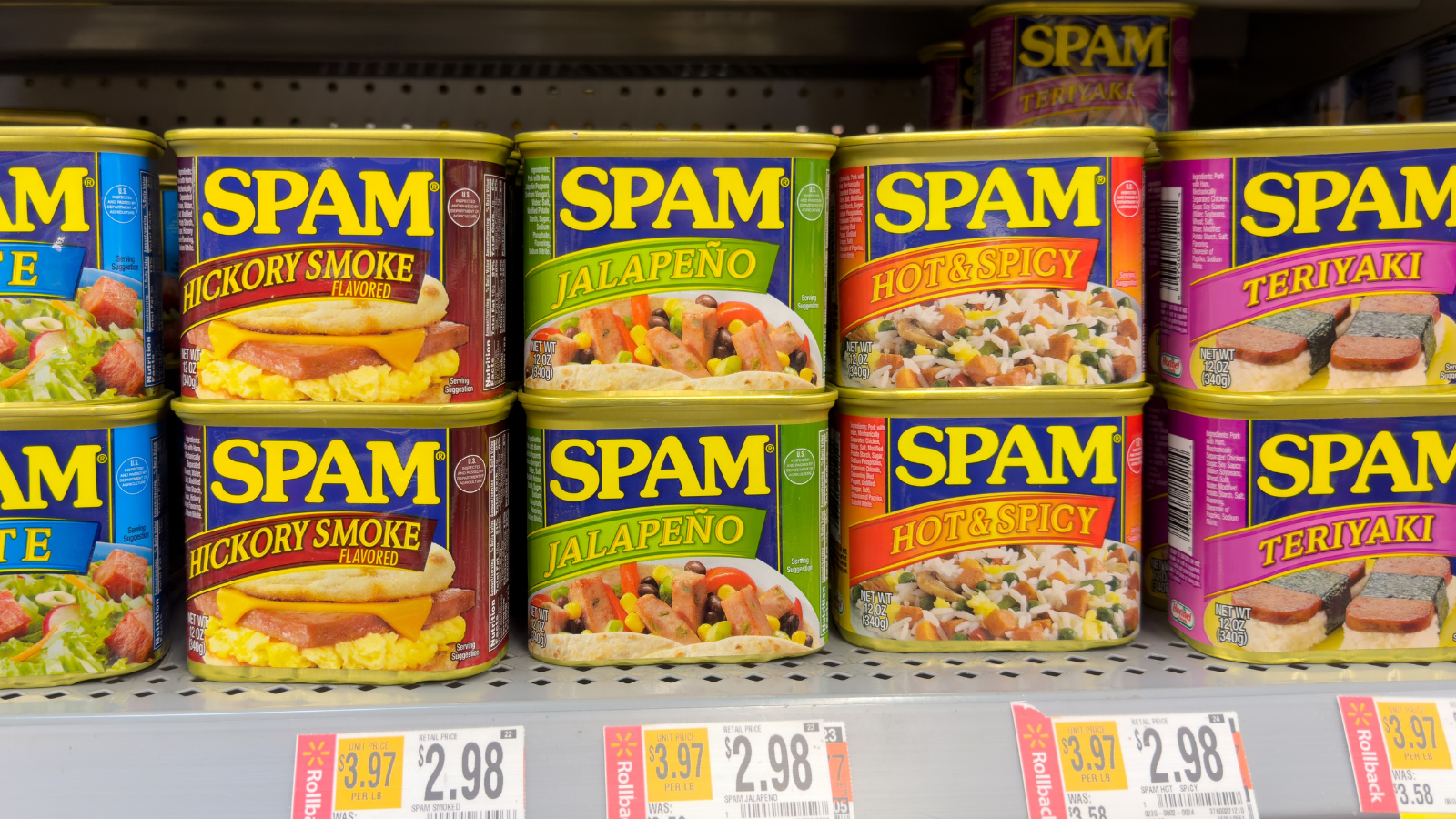
Fans fry it until crispy and serve it with eggs, rice, or on a sandwich. It is especially loved in Hawaii, where it appears in dishes like Spam musubi. Critics, though, see it as mystery meat in a can and can’t understand the devotion.
Why Nostalgic Foods Divide Opinion
These dishes divide people because they carry so much memory. For some, they bring back warm kitchens and family dinners. For others, they recall being told to clean their plate before leaving the table.
Food trends come and go, and many 1970s food trends are now making a playful comeback. Some old dishes are also on the list of American foods that make visitors cringe. Which of these foods would you happily bring back?