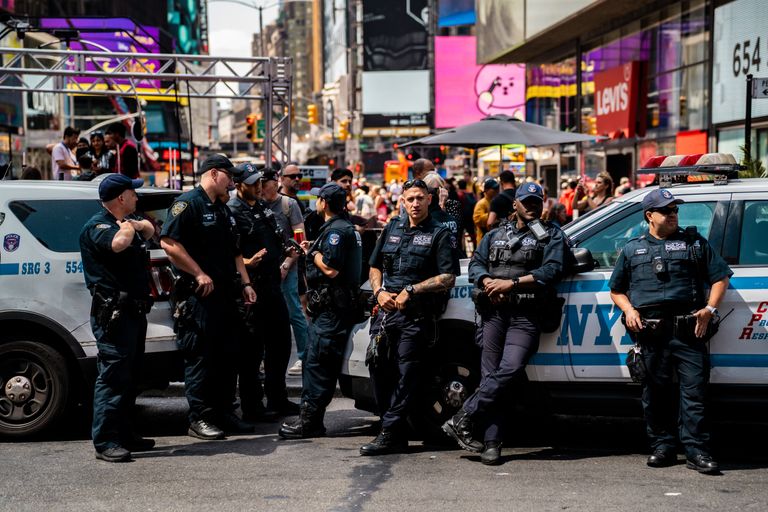
Federal Judge Blocks New York ICE Mask Ban as Fears Grow Over Hidden Identities
A federal judge has temporarily blocked New York’s ban on masked federal agents, allowing U.S. Immigration and Customs Enforcement officers to continue concealing their faces during public operations. The ruling also suspends the state’s requirement that federal officers display an individual identifier, such as a name, badge number, or shield number.
U.S. District Judge Mae D’Agostino based the decision on constitutional limits involving state power over federal operations. Yet for ordinary Americans, the immediate consequence feels much less abstract. Masked, armed officers can approach people in public, make arrests, and leave frightened witnesses struggling to determine who they were.
The ICE Mask Ruling Creates an Accountability Problem
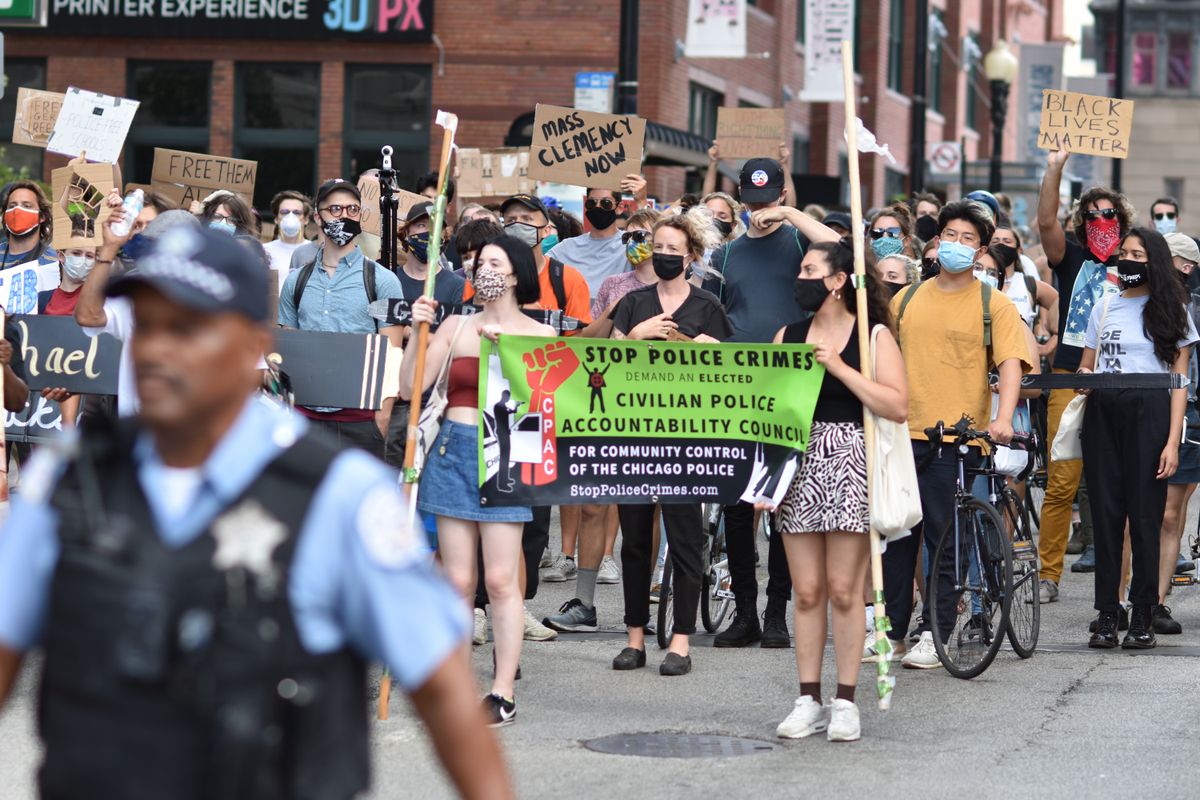
The August 3 decision granted the Trump administration a preliminary victory in its legal battle with New York. State officials cannot enforce the face-covering and identification provisions against federal officers while the case continues.
The federal judge’s preliminary ruling does not permanently invalidate the law. It does, however, remove New York’s most direct attempt to make federal immigration operations more visible and accountable.
That distinction offers little comfort to someone watching masked agents force a neighbor into an unmarked vehicle. A witness may see weapons, tactical clothing, and agency lettering, but identifying the specific officers later can become difficult when faces remain covered and no personal identifier appears clearly.
The practical result is deeply troubling. Government officers receive enormous power over the public. They can stop people, question them, search property, use force, and take individuals into custody. When the government combines that authority with hidden faces and limited personal identification, accountability becomes harder precisely when it matters most.
Americans Would Question Masked Officers in Any Other Situation
Americans routinely receive warnings about scammers impersonating police officers, federal agents, and government employees. Law enforcement agencies tell people to verify identities, inspect credentials, and contact an agency directly when something appears suspicious.
The New York ruling creates an uncomfortable contradiction. Residents must remain alert for impersonators, yet authentic federal officers may arrive with their faces concealed and without the individual identification New York tried to require.
Imagine several masked people approaching a vehicle outside a workplace. They display weapons and shout commands. A family member begins recording, but the officers turn away from the camera. Their faces remain hidden, and their clothing provides only a general agency name.
How should a frightened person know immediately whether the group consists of real federal agents, bounty hunters, criminals, or extremists pretending to exercise government authority? That uncertainty places civilians in danger. Someone who reasonably mistakes an official operation for an abduction could call police, intervene, or attempt to protect a family member. An encounter that begins with confusion could escalate within seconds.
New York’s Law Included Reasonable Safety Exceptions
The state did not impose an absolute rule requiring officers to expose themselves in every dangerous situation. New York’s legislation contained exceptions for medical masks, necessary tactical equipment, sensitive investigations, emergency assistance, and situations in which disclosure could create a legitimate security risk.
The law generally prohibited officers from wearing coverings that concealed or obscured their facial identity while interacting with the public. It also required officers to display their department and at least one personal identifier, such as a name or badge number. Those identification and safety provisions attempted to balance officer protection with the public’s right to know who was exercising police authority.
New York treated a willful first violation as an infraction. A later willful violation could become a misdemeanor. The state clearly wanted the requirements to carry consequences, but it also gave officers room to use protective equipment when circumstances genuinely demanded it.
Calling the law an attack on officers ignores those exceptions. It also overlooks the reality that countless state and local police officers perform dangerous work every day while displaying badges, names, faces, and department markings.
Why the Judge Sided With the Federal Government
D’Agostino did not rule that masked immigration operations represent good public policy. She focused on whether New York possessed the constitutional power to control how federal officers perform federal duties. The Trump administration argued that the mask and identification requirements violated the Supremacy Clause.
The related doctrine of intergovernmental immunity generally prevents states from directly regulating the federal government or discriminating against its operations. The constitutional immunity principle presented New York with a serious obstacle. Even a well-intentioned public safety law can fail if it directly dictates how federal agencies equip, identify, or deploy their personnel.
The Justice Department claimed New York could not decide what federal agents wear any more than it could select their weapons or training methods. Federal officials also argued that exposing officers’ faces and identities could subject them and their families to harassment, doxing, and violence.
Those concerns deserve attention. No officer’s family should become a target because of the officer’s employment. Yet the government’s solution shifts nearly all the risk onto the public. Instead of developing a careful identification system that protects personal information while preserving accountability, it asks Americans to accept armed anonymity.
Hidden Faces Can Make Misconduct Harder to Investigate
When a disputed arrest occurs, investigators need details. Witnesses need to describe the people involved. Attorneys need to identify which officers issued commands, conducted searches, or used force.
Masks remove one of the most basic forms of identification. The absence of a visible name or badge number creates another barrier. Even when video captures an operation, several officers wearing similar tactical clothing can become nearly impossible to distinguish.
This problem reaches beyond immigration status. An American citizen, lawful permanent resident, journalist, protester, or passerby can become involved in an immigration operation. Mistakes happen, and chaotic scenes do not always allow officers to determine everyone’s identity immediately.
If an officer acts improperly, the public should not have to search through blurry footage, agency rosters, and legal filings simply to discover who exercised government power. The government should provide a clear path to identification from the beginning.
Accountability does not require publishing an officer’s home address or family information. A unique badge number, shield number, or trackable identifier can protect private details while allowing complaints and investigations to move forward. New York’s law tried to create that basic trail. The preliminary injunction temporarily erases it for federal operations.
The Ruling Could Damage Public Trust Far Beyond New York
Immigration enforcement already produces tense encounters. Families may not know where a detained relative is being taken. Children can watch a parent disappear into a government vehicle. Bystanders may fear that asking questions will draw attention to themselves.
Masks intensify that fear. They make officers appear less like public servants and more like an anonymous force that arrives, acts, and leaves without explanation. Public trust depends on legitimacy. People cooperate with law enforcement when they believe officers follow clear rules and can be held responsible for misconduct. Hidden identities weaken that confidence.
The effect can spread into everyday policing. Immigrant communities may become less willing to report domestic violence, wage theft, robberies, or other crimes if residents fear that any interaction with authorities could expose them to immigration enforcement. Local police chiefs often depend on community cooperation to solve crimes. When residents view every badge with suspicion, public safety suffers.
The 287(g) Ban Remains New York’s Only Major Victory.
Although D’Agostino blocked the mask and identification requirements, she refused to suspend New York’s separate ban on Section 287(g) agreements. These agreements allow ICE to train and authorize selected state or local officers to perform certain immigration enforcement functions under federal supervision.
The 287(g) partnership program can turn local jail employees, deputies, or police officers into extensions of the federal immigration system. New York’s law prevents local governments and law enforcement agencies from entering or remaining in those formal arrangements. It also limits the use of local personnel, facilities, and taxpayer money for federal civil immigration enforcement.
The judge found that New York may control how its own resources are spent. Participation in a 287(g) agreement is voluntary, so the federal government cannot automatically require a county or municipality to provide officers for ICE operations.
Governor Kathy Hochul and Attorney General Letitia James defended the surviving restriction, arguing that local officers should focus on local public safety rather than performing federal civil immigration work. Their response to the decision also maintained that masked agents do not make New York safer.
Federal Agents Can Still Enforce Immigration Law
The ruling does not prevent ICE from operating in New York. Federal agents may still investigate immigration violations, conduct arrests, and carry out removal operations under federal law. New York also cannot use the blocked statute to arrest or prosecute federal officers simply for wearing masks during official operations.
Other federal policies may require agency insignia, credentials, or identification in certain circumstances, but the state cannot currently impose its own requirements. The surviving 287(g) ban only limits formal local participation.
It does not stop cooperation involving criminal investigations, judicial warrants, emergencies, or other legally authorized operations. That leaves the federal government with extensive enforcement power. It can continue sending agents into New York communities, and those agents can continue covering their faces.
A Constitutional Victory Can Still Produce a Dangerous Reality
The court may ultimately conclude that the Constitution prevents New York from controlling federal uniforms and identification policies. That legal conclusion does not make the outcome harmless. Americans have spent generations rejecting the idea of secret police. Open government requires more than official agency logos and press releases.
It requires the public to know who exercises state power and how to seek accountability when that power is abused. The federal government could respond to the controversy with a national policy requiring clearly visible, unique identification that does not reveal sensitive personal information.
It could establish reliable public verification systems, strengthen body-camera requirements, and create faster procedures for identifying officers involved in disputed operations. Instead, the current legal strategy protects the broadest possible operational discretion. It asks states to step aside and the public to trust masked agents without receiving the transparency that normally earns trust.
The Legal Fight Is Far From Over
Because D’Agostino issued a preliminary injunction, the lawsuit will continue. New York may ask the judge to reconsider or clarify the order, pursue an appeal in the Second Circuit, or defend the law through further district court proceedings.
The state could argue that the legislation created generally applicable public safety standards rather than targeting federal immigration officers alone. Federal lawyers will likely maintain that even broad state rules cannot dictate how national agencies conduct federal operations.
For now, the court has drawn a disturbing line. New York may refuse to lend local officers and taxpayer resources to ICE, but it cannot require federal agents operating in its communities to show their faces or display the personal identifiers the state considered necessary.
That may satisfy constitutional doctrine at this early stage. For Americans who believe every armed government officer should remain identifiable and accountable, it leaves a deeply unsettling question: If the public cannot tell who is behind the mask, how can the public challenge what happens behind it?