7 Restaurant Perks From the 1980s That Diners Still Miss
Going out to eat in the 1980s felt like an event. Families piled into the station wagon on a Friday night and headed for a place with dark wood booths, stained-glass lamps, and a hostess who handed out crayons. Nobody pulled out a phone, because nobody had one.
Restaurants of that decade competed by giving customers more. There were free extras, generous portions, and small touches that made a meal feel like a treat. Most of them cost the diner nothing.
Many of those perks have quietly vanished as prices climbed and margins tightened. If you ate out in the 1980s, you will remember these seven restaurant perks, and you probably still miss them.

1. The All-You-Can-Eat Salad Bar
The salad bar was the star of the 1980s restaurant. It stretched across the dining room under a glass sneeze guard, loaded with lettuce, shredded cheese, bacon bits, croutons, and three kinds of pasta salad. There was usually pudding and Jell-O at the far end.
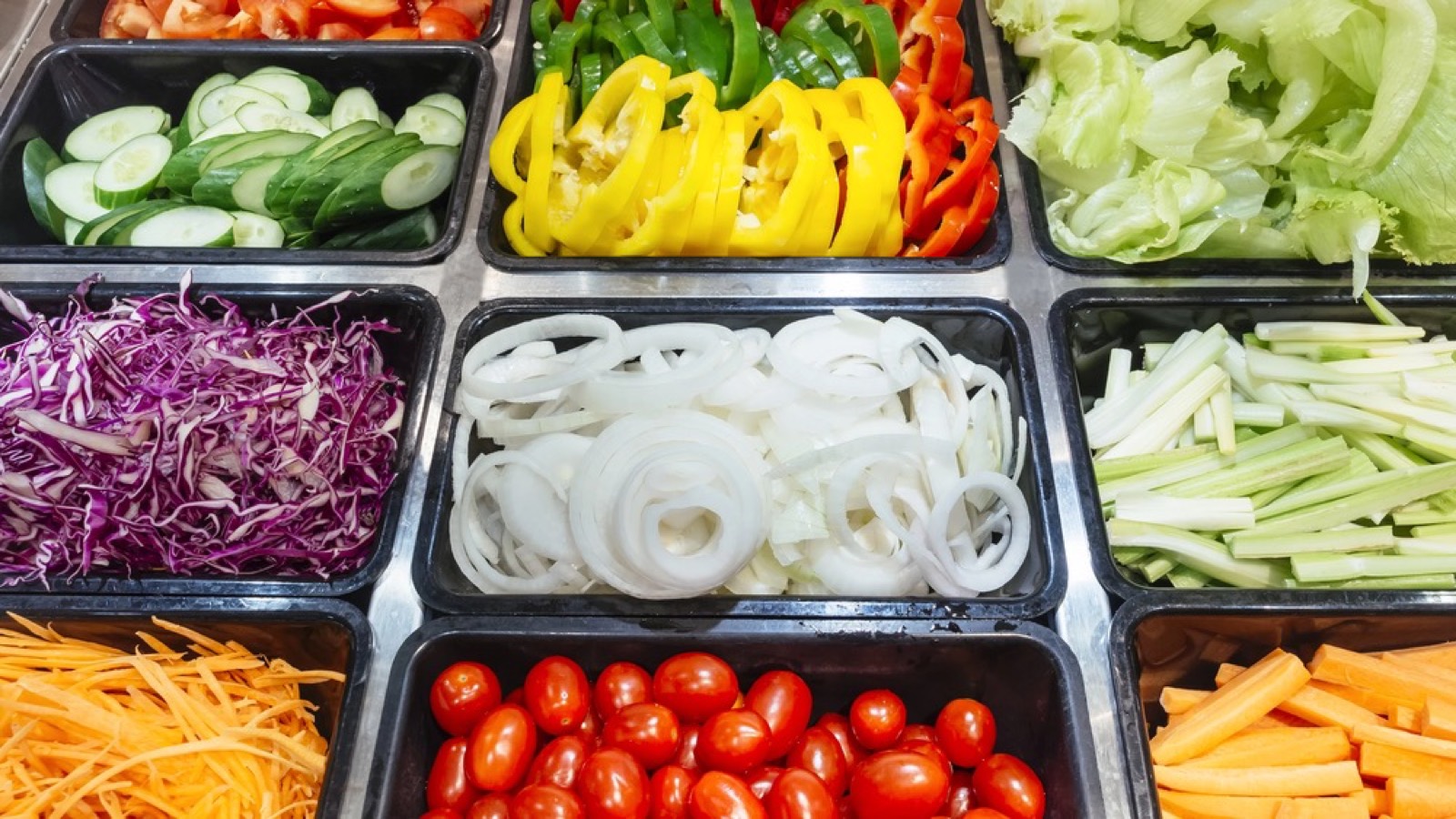
At many steakhouses, the salad bar came free with any dinner. Customers made trip after trip, and children built towering plates of toppings with a little lettuce underneath. The feature began fading as costs rose, and the pandemic closed many of the bars that remained.
2. Free Bread Baskets and Relish Trays
In the 1980s, something to eat arrived the moment you sat down. A basket of warm rolls, breadsticks, or crackers with butter came without asking. Supper clubs and steakhouses set out relish trays with carrots, celery, olives, and pickles.
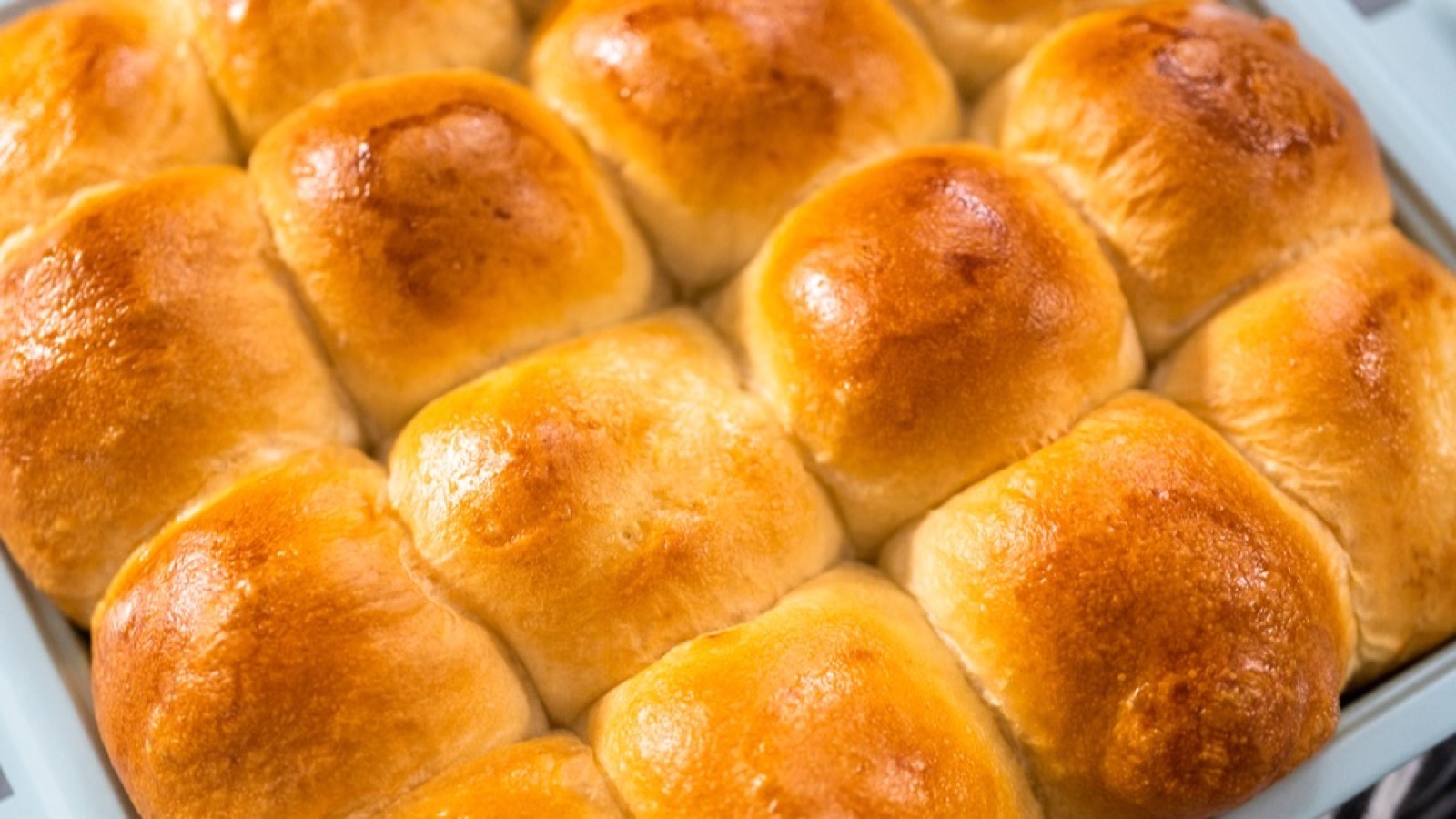
It was a simple way of saying welcome. Families nibbled while they read the menu, and hungry kids stayed quiet. Today many restaurants charge for bread or bring it only when a customer requests it.
3. Free Refills and the Bottomless Coffee Cup
A cup of coffee in the 1980s was truly bottomless. The waitress circled the room with a glass pot in each hand, one with a brown handle for regular and one with an orange handle for decaf. Your cup was topped off before it was half empty.
Soft drinks, iced tea, and lemonade were refilled the same way at most family restaurants. Nobody counted, and nobody was charged. Free refills still exist in many places, but they are no longer something diners can take for granted.
4. After-Dinner Mints and Treats at the Register
Paying the bill came with a small reward. A bowl of pastel butter mints or wrapped peppermints sat beside the cash register. Some restaurants handed out chocolate mints with the check or let kids pick a lollipop from a basket.
Others kept a toothpick dispenser and a tray of matchbooks printed with the restaurant’s name. People collected those matchbooks in jars at home. Open bowls of mints have mostly disappeared, partly because of concerns about hygiene.
5. Kids’ Extras and Birthday Fuss
Children were treated like honored guests. They got paper placemats to color, a cup of crayons, and sometimes a balloon or a small toy. Many restaurants had a treasure chest where a child could choose a prize after finishing dinner.
Birthdays were an even bigger deal. The whole staff gathered to clap and sing, and the birthday child received a free sundae or slice of cake, often with a sparkler on top. Kids at pizza chains could also earn free personal pizzas through school reading programs.
6. Tableside Service
In nicer restaurants, part of the meal was a show. A waiter wheeled a cart to the table and tossed a Caesar salad in a big wooden bowl. Desserts such as cherries jubilee and bananas Foster were set aflame right in front of the guests.
Steaks were sometimes carved at the table, and coffee drinks were lit with a flourish. It took trained staff and extra time. As restaurants cut labor costs, tableside service became rare outside of a few traditional dining rooms.
7. Meals That Came With Everything
In the 1980s, a dinner order was a complete meal. The price of an entrée included soup or salad, a potato, a vegetable, and bread. Some places added dessert and coffee for an “early bird” price before six o’clock.
Diners knew what they would pay before they sat down. Today many restaurants price each item separately, so sides, sauces, and even bread can add up. A meal that once came with everything now arrives one charge at a time.
Why the Perks Disappeared
The simple answer is money. Food, rent, and wages have all risen sharply since the 1980s, and restaurants operate on thin profit margins. Free extras were the easiest place to cut.
Waste was another concern. Salad bars and bread baskets meant a lot of food was thrown away at the end of each night. The USDA estimates that 30 to 40 percent of the U.S. food supply goes uneaten, and restaurants have been urged to reduce their share.
Dining habits changed too. More people now order takeout or delivery, where there is no bread basket and no bottomless cup. Chains built around fast service have replaced many of the sit-down family restaurants that offered the old perks.
New Charges Took Their Place
As free extras faded, new fees appeared. Diners now see service charges, kitchen fees, and suggested tips printed at the bottom of the check. Many customers feel they are paying more and getting less.
Those feelings are common enough that there are whole lists of red flags diners watch for when eating out. Hidden charges are usually near the top. Federal regulators have taken notice of surprise fees in other industries, and the Federal Trade Commission finalized a rule in 2024 targeting hidden fees for live-event tickets and short-term lodging.
Menus themselves have also become more complicated. Prices are often written without dollar signs, and items are arranged to steer customers toward the most profitable dishes. There is a lot that restaurant menus reveal before you even order.
Where You Can Still Find Them
The old perks are not completely gone. Some steakhouse chains still bring warm bread to every table, and Midwestern supper clubs continue to set out relish trays. A few buffet and salad bar restaurants have survived by keeping prices low.
Small-town diners and family-owned restaurants are often the best places to look. Many still refill the coffee without being asked and keep a bowl of mints by the door. These little gestures are a big reason loyal customers keep coming back.
For those who remember the 1980s, the perks were about more than free food. They made people feel welcome and valued. Which restaurant perk do you miss the most, and where can you still find it today?