By Not Having These 12 Items ,You Are Risking Your Home’s Safety
Home safety is about more than just locking doors or keeping an eye on your kids. Unexpected emergencies like fires, power outages, or medical incidents can strike at any time, and being prepared is the difference between minor inconveniences and serious disasters. Equipping your home with the right safety items ensures peace of mind and safeguards your loved ones from harm. Here’s a comprehensive guide to the essential safety tools every household should prioritize.
First Aid Kits
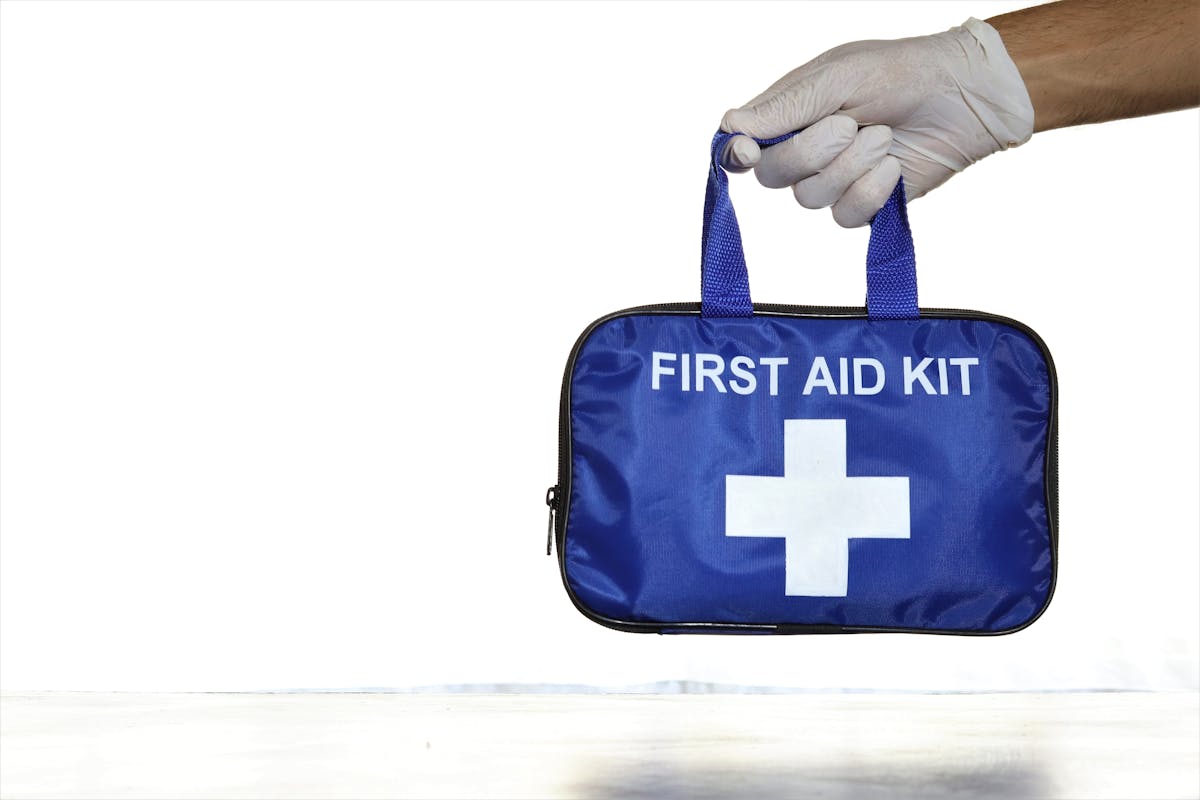
A well-stocked first aid kit is critical for handling minor injuries and life-threatening emergencies alike. It should contain bandages, sterile gauze, adhesive plasters, tweezers, antiseptic wipes, disposable gloves, and basic painkillers. For homes with residents at risk of cardiac events, having an automated external defibrillator (AED) can significantly increase survival chances.
Organize your kit in an easily accessible, waterproof container and check contents regularly to replace expired items. Keep it in multiple locations if your home is large, ensuring everyone knows where it is. Regularly reviewing first aid procedures can make a real difference during emergencies, reducing panic and response time.
Smoke and Fire Alarms
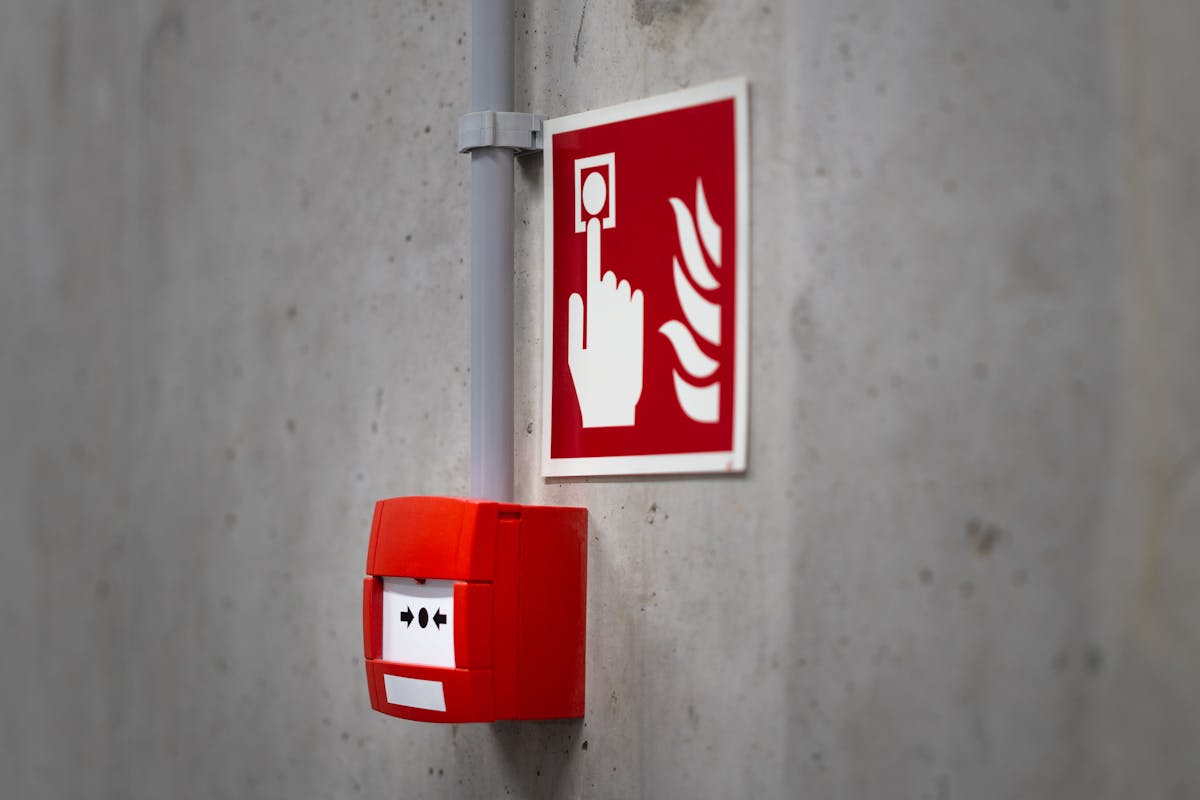
Smoke and fire alarms remain the most effective early-warning tools against home fires. Place alarms on every floor, inside bedrooms, and near kitchens to detect smoke early. Modern systems often include interconnected units, so when one alarm sounds, the entire home is alerted.
Regular maintenance, including battery replacement and monthly testing, ensures reliability. Pair alarms with a clear family fire escape plan so that every member knows where to go when the siren blares. This combination of detection and preparedness can prevent injuries and property loss in critical moments.
Carbon Monoxide Detectors
Carbon monoxide is odorless and colorless, making it one of the most dangerous home hazards. Install detectors near sleeping areas and on each floor to catch leaks early. Choose models with digital readouts and battery backup to ensure continuous protection, even during power outages.
Regularly testing detectors and replacing batteries prevents false readings and ensures proper function. Awareness of carbon monoxide sources, such as gas appliances and fireplaces, combined with reliable detectors, significantly reduces the risk of poisoning in your home.
Fire Extinguishers
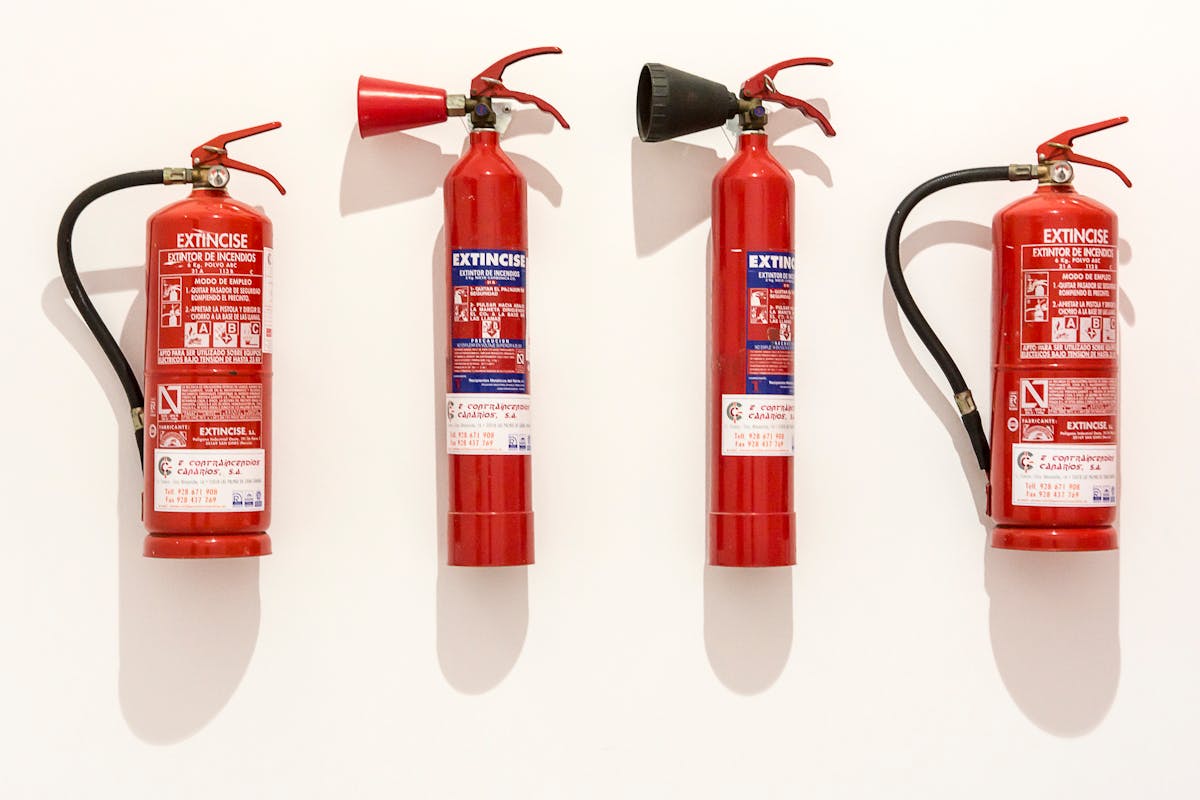
Fire extinguishers allow homeowners to tackle small fires before they escalate. Keep multipurpose extinguishers in kitchens, garages, and near heating systems. Ensure all family members know the PASS technique: Pull, Aim, Squeeze, and Sweep.
Routine checks for pressure and expiration dates maintain effectiveness. Using an extinguisher early can prevent major damage, buy critical time for evacuation, and even save lives during sudden flare-ups.
Emergency Escape Plans
Every household should have a clear, practiced emergency escape plan. Draw floor maps marking primary and secondary exits, including windows and stairways. Conduct periodic drills to ensure all family members can evacuate quickly and calmly under stress.
For multi-story homes, plan for potential obstacles by incorporating fire ladders or rope escapes. Clear, well-rehearsed routes increase survival chances during fires, earthquakes, or other emergencies.
Outlet Covers and Electrical Safety
Electrical hazards remain a top cause of household injuries, particularly for children. Use outlet covers, tamper-resistant sockets, and surge protectors to reduce the risk of electrocution. In water-prone areas, install Ground Fault Circuit Interrupters (GFCIs) to cut power instantly when current flows out of phase.
Educate family members about the dangers of overloading outlets or using damaged cords. Maintaining safe electrical practices prevents fires, injuries, and long-term property damage.
Flashlights and Emergency Lighting
Power outages can turn even familiar spaces into dangerous areas. Stock high-lumen flashlights, lanterns, and extra batteries in key locations. Rechargeable units or solar-powered lights provide added reliability during outages.
Designate a central spot for emergency lighting and ensure everyone knows its location. Proper lighting prevents trips and falls and enables safe access to first-aid supplies or exits during blackouts.
Burglar Alarms and Security Systems
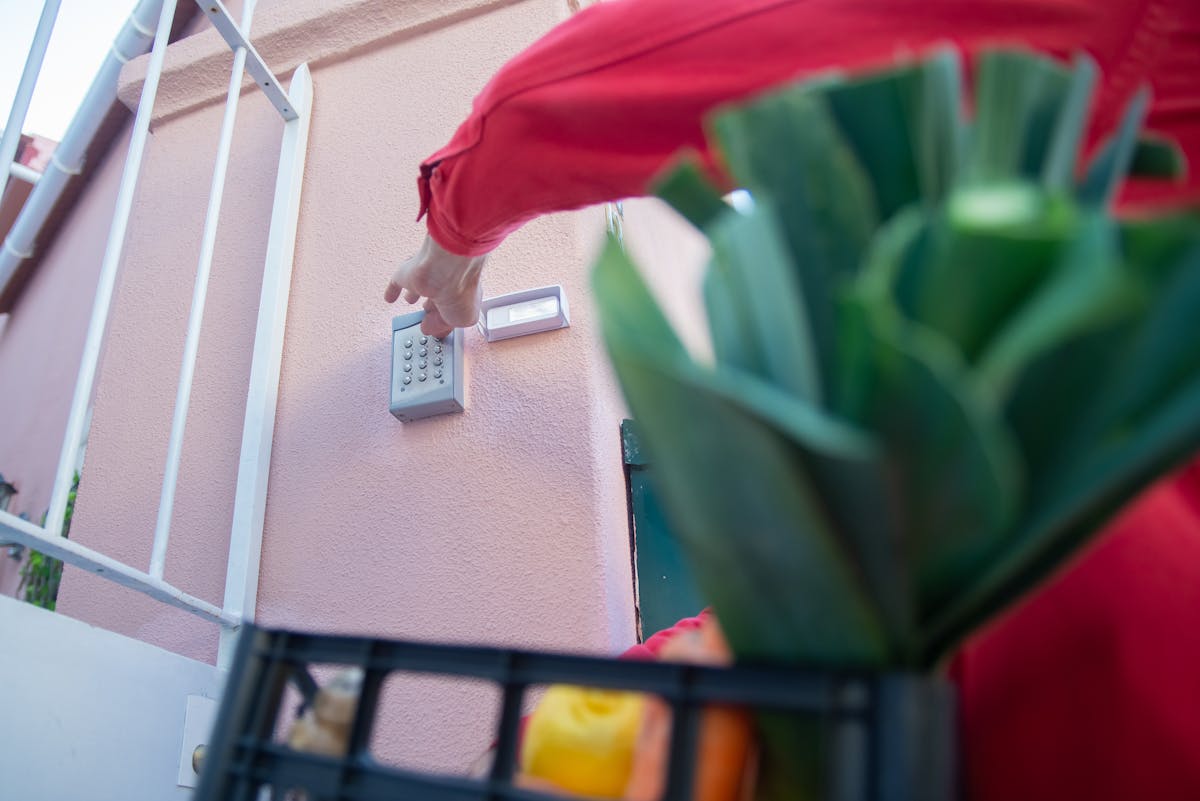
A modern burglar alarm system deters intrusions and provides immediate alerts during break-ins. Combine door and window sensors with motion detectors and sirens to cover vulnerable entry points. Advanced systems include remote monitoring, smartphone notifications, and automated emergency call features.
Strategically placed security cameras and secure locks complement alarms. A comprehensive system protects not only property but also the safety and peace of mind of every resident.
Disaster Supply Kits
Disasters:natural or man-made, require more than standard safety tools. Assemble kits with 1 gallon of water per person per day, non-perishable food, blankets, dust masks, battery-powered radios, whistles, first-aid supplies, and essential medications. Include baby and pet necessities if applicable.
Store supplies in waterproof containers and rotate items regularly to prevent spoilage. A well-prepared kit ensures survival and comfort during prolonged emergencies, from hurricanes to severe winter storms.
Fire Ladders and Multi-Level Escape Tools
For homes with upper floors, fire ladders provide critical escape options when stairways are blocked. Keep ladders near windows in bedrooms and ensure they can safely support adult weight. Practice deployment during drills so all family members can use them quickly.
Pair ladders with clear escape signage and unobstructed window access. This preparation prevents entrapment during fires, significantly enhancing the safety of upper-level residents.
Home Safety Checklists
Routine inspections identify potential hazards before they escalate. Check smoke and carbon monoxide alarms, fire extinguishers, electrical wiring, and structural vulnerabilities at least quarterly. Maintain logs to track maintenance and replacements, ensuring nothing is overlooked.
A proactive approach reduces emergency risks and increases household readiness. Simple checks prevent accidents, detect early warning signs, and reinforce a culture of safety in the home.
Emergency Contact and Communication Plans
Quick access to emergency contacts can save crucial minutes during crises. Maintain an updated list of local emergency services, family contacts, and medical professionals in multiple locations. Teach children how to dial for help and provide written instructions for all household members.
Integrate communication plans with alert apps or messaging systems to ensure everyone receives updates during disasters. Effective communication minimizes panic, coordinates responses, and enhances overall home safety.
Conclusion
A safe home results from thoughtful preparation and consistent maintenance. From first aid kits to disaster supply kits, each safety item plays a critical role in protecting lives and property. Establishing escape plans, maintaining alarms, and ensuring communication channels are up to date creates a resilient environment capable of handling unexpected emergencies. Prioritize these twelve essential safety measures to safeguard your family, minimize risks, and enjoy peace of mind knowing your home is ready for any challenge.