15 Food Traditions Around the World That Carry Wishes for Luck, Prosperity, and New Beginnings
A meal can be more than something on a plate. Across the world, certain foods carry stories, memories, and hopes for the future. From rice dishes linked with abundance to noodles representing a long life, these traditions show how cultures use food to celebrate milestones and welcome new beginnings.
Food traditions often get called “superstitions,” but that word does not always tell the full story. Many of these practices are better understood as rituals, family customs, seasonal celebrations, or symbolic traditions shaped by language, history, religion, and agriculture.
Here are some fascinating food customs from different parts of the world that connect eating with ideas of gratitude, prosperity, and good fortune.
New yams mark a special beginning in Igbo communities
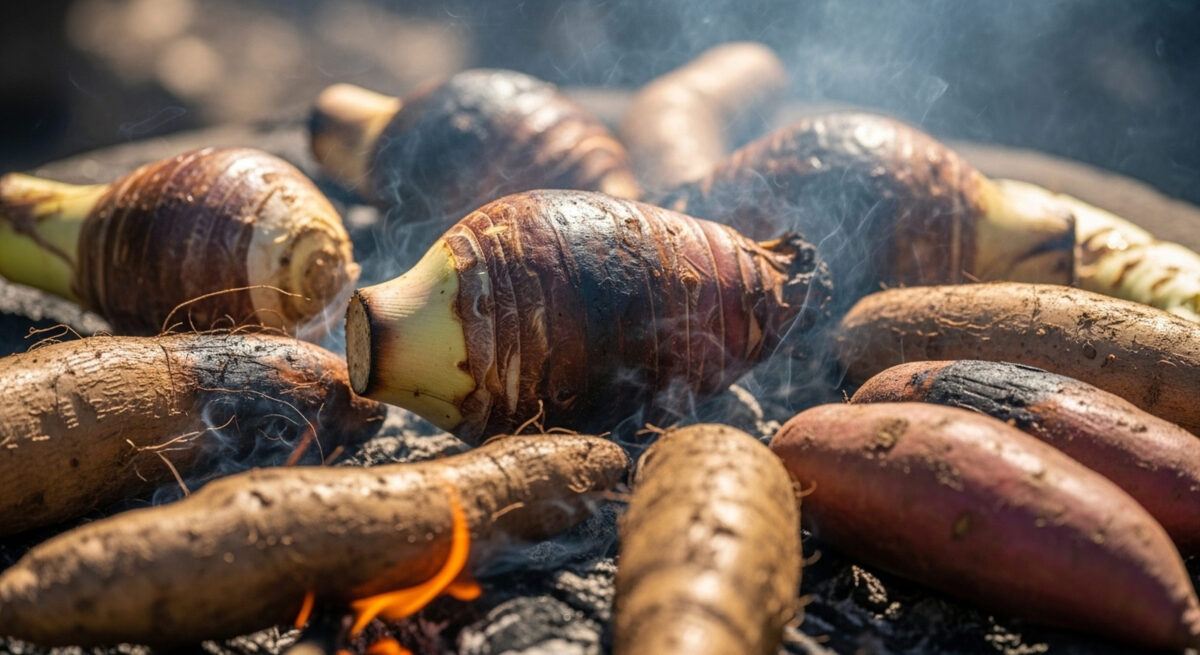
In some Igbo communities of southeastern Nigeria, the first yams of a new harvest are not simply cooked and served immediately. Traditionally, communities hold thanksgiving rites and acknowledge the harvest before the wider celebration begins.
Yams have long been an important agricultural symbol in Igbo life, and the New Yam Festival represents a transition between farming cycles. Today, celebrations may include traditional practices alongside family gatherings, music, and community events.
Hoppin’ John brings a taste of prosperity to New Year tables
For many African American families, especially in the U.S. South, black-eyed peas served as Hoppin’ John are a familiar New Year’s tradition. The dish is often associated with good fortune, with peas symbolizing coins, greens representing money, and cornbread sometimes connected with gold.
The tradition carries layers of history connected to West African foodways, Black Southern cooking, and family memories. While the exact meaning varies from household to household, the dish remains a beloved way to start the year with hopes for abundance.
Chinese dumplings resemble wealth waiting to arrive
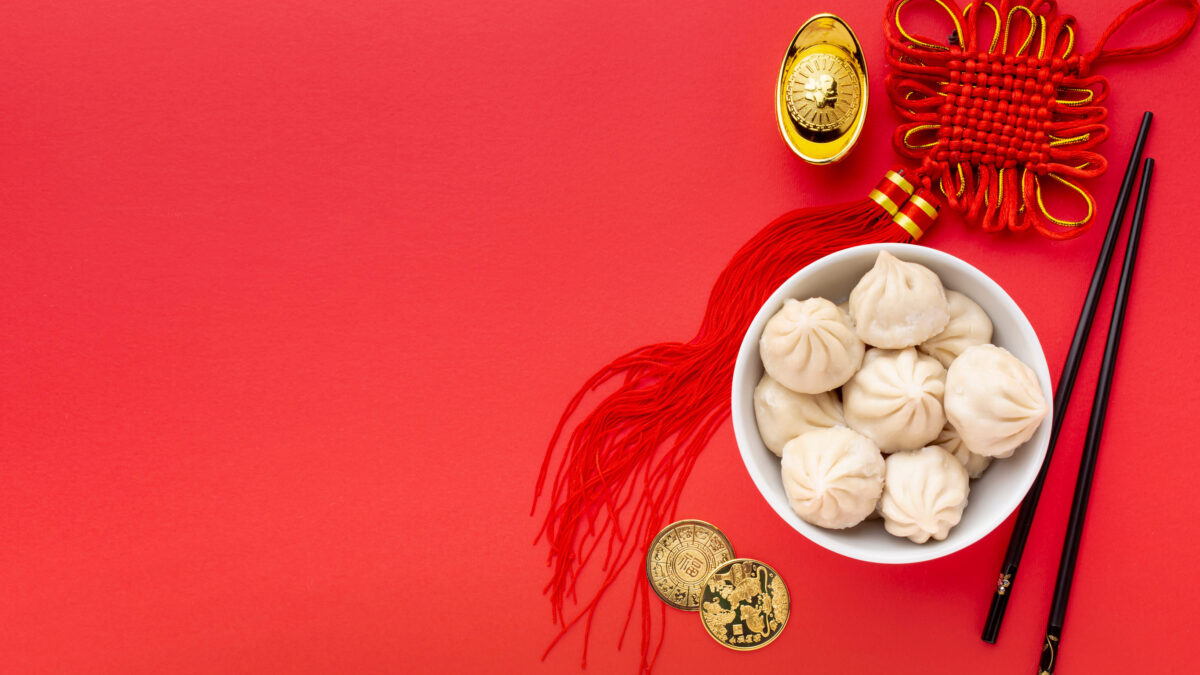
During Lunar New Year celebrations, many Chinese families enjoy jiaozi, or dumplings, because their shape resembles historic gold or silver ingots. The visual connection has made dumplings a symbol of wealth and good fortune for the coming year.
Making dumplings can also become a family activity, bringing generations together around the kitchen table. The tradition varies across regions, showing that even within one culture, holiday foods can have many different meanings.
Taiwan’s turnip cake carries a wish to rise higher
Taiwanese Lunar New Year celebrations often include turnip cake, known as luóbo gāo. The symbolism comes partly from wordplay, as the word for cake sounds like “high” or “rise,” linking it to success and improvement.
This tradition reminds us that food symbolism is not always about the ingredient itself. Sometimes the meaning comes from language, sound, and the hopes people attach to certain words.
Korean students sometimes skip seaweed soup before exams
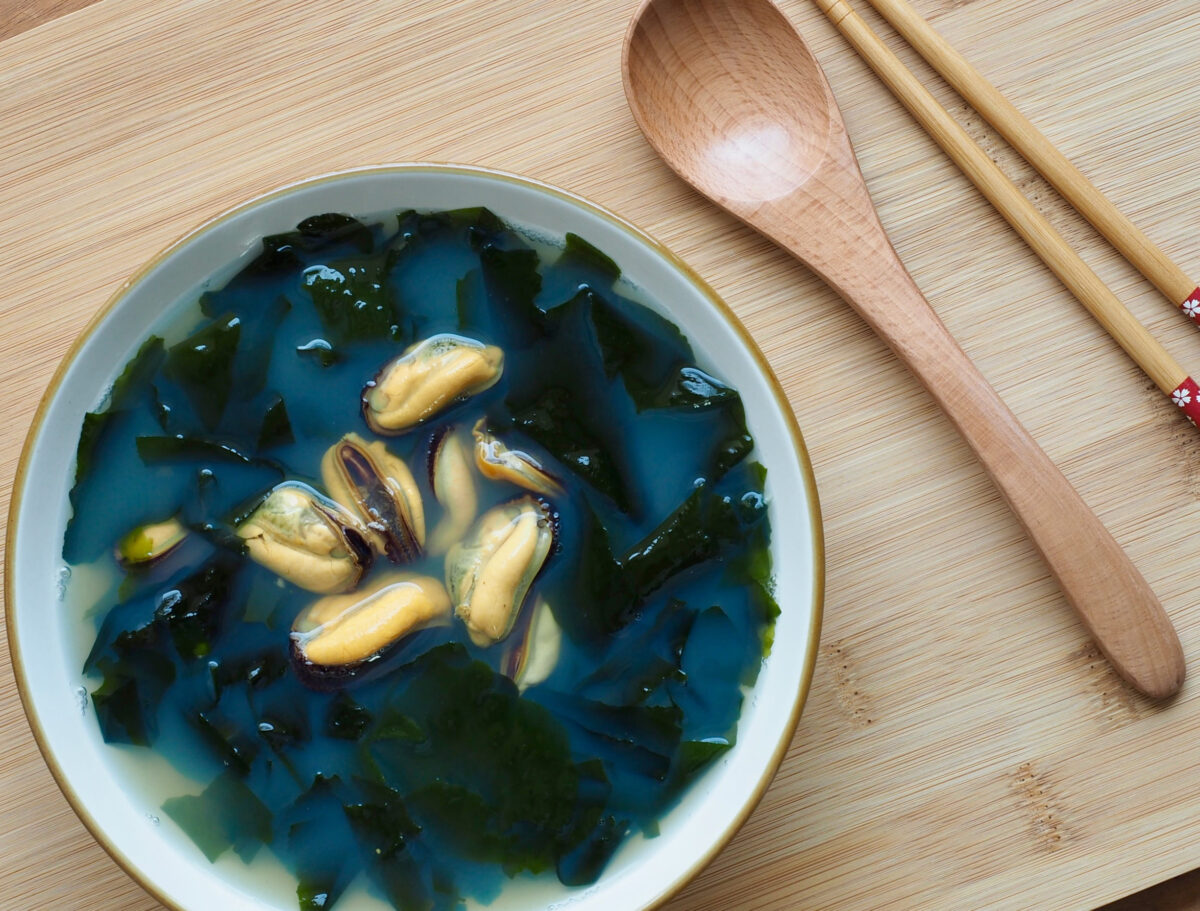
In South Korea, some students avoid eating miyeokguk, or seaweed soup, before major exams because the slippery texture is associated with the fear of “slipping” or failing. Instead, some students choose sticky yeot candy because its symbolism suggests success and passing.
The custom is folklore rather than a universal rule. Seaweed soup itself has positive meanings in Korean culture and is traditionally enjoyed for occasions such as birthdays.
Japan’s noodles represent a fresh start
On New Year’s Eve in Japan, many people eat toshikoshi soba, a buckwheat noodle dish associated with longevity and the start of a new year. The long noodles often symbolize a long life, while their easy-to-cut texture can represent leaving past difficulties behind.
Another Japanese food custom involves chopsticks. Placing chopsticks upright in a bowl of rice is considered inappropriate because it resembles incense offerings used in funeral rituals. Passing food directly from chopstick to chopstick also carries funeral associations.
Spain counts down with 12 grapes
One of the world’s most recognizable New Year food traditions happens in Spain, where people eat one grape with each of the 12 midnight clock chimes. Completing the grapes is traditionally associated with luck and happiness for the months ahead.
The custom became especially popular in Spain and later spread throughout many Spanish-speaking communities around the world.
Lentils appear on tables from Italy to Brazil
Lentils have earned a reputation as a lucky food in several cultures because their small, round shape resembles coins. In Italy, lentils are commonly served around New Year with dishes such as cotechino sausage, representing hopes for wealth and abundance.
Brazil also has New Year traditions involving lentils, grapes, and sometimes pomegranate seeds. These customs are linked to wishes for prosperity and harmony, though families celebrate them in different ways.
Food connects the past with the future
Whether it is a bowl of noodles, a handful of grapes, a serving of rice, or a traditional harvest dish, these foods show how meals can carry meaning far beyond flavor.
Across cultures, people use food to remember ancestors, celebrate seasons, honor traditions, and express hopes for what comes next. The ingredients may change from one country to another, but the message remains familiar: sharing food is often a way of sharing wishes for a better future.