London Broil Isn’t Actually a Cut of Beef, and Its Name Has Fooled Shoppers for Years
Walk into almost any American grocery store, and you might find a package of beef labeled “London broil.” It sounds like a specific cut of meat, maybe something like sirloin or ribeye. But here is the surprising part: London broil isn’t technically a cut of beef at all.
Instead, London broil refers to a method of preparing and cooking beef, traditionally involving lean, relatively tough cuts. The process often includes marinating the meat, cooking it over high heat, and slicing it thinly against the grain. Understanding that distinction can make shopping for beef and preparing it at home much easier.
London Broil Is a Cooking Method, Not a Beef Cut
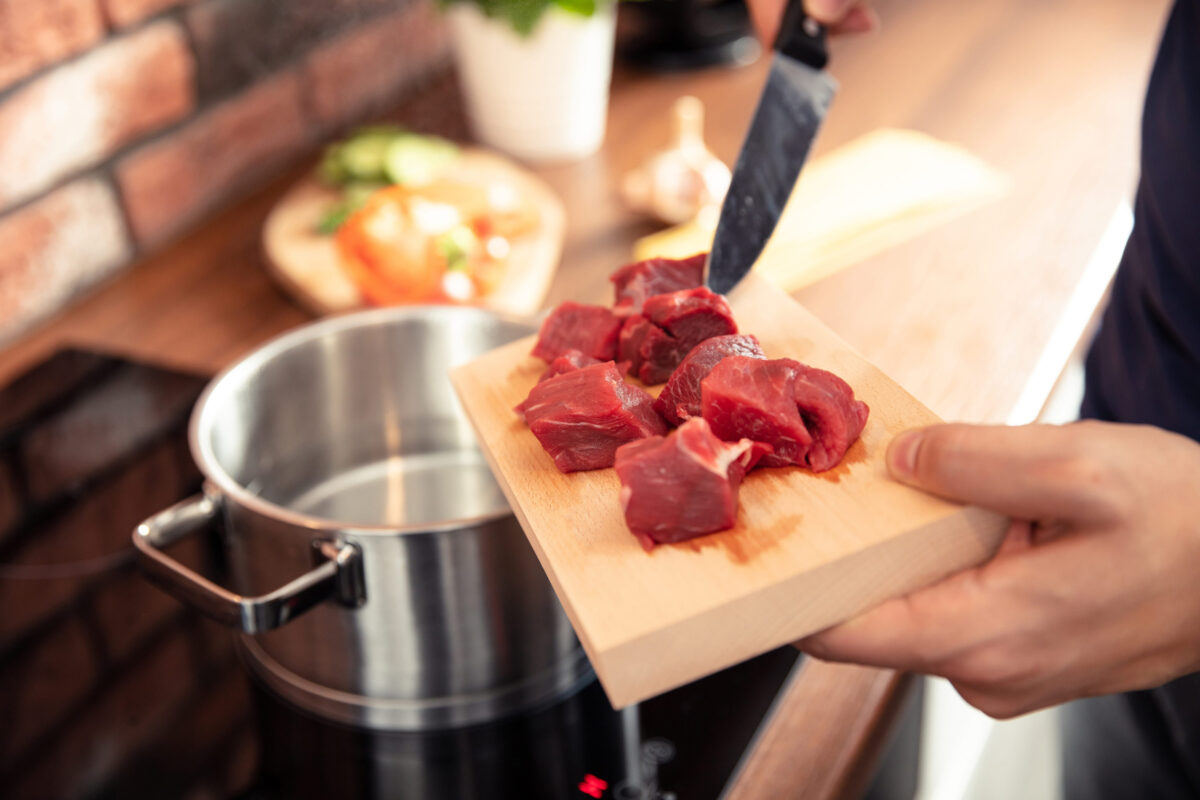
Despite what supermarket labels might suggest, London broil describes a preparation technique, not a specific cut of beef. Traditionally, cooks use lean cuts that can become chewy when prepared incorrectly. The method aims to deliver flavorful beef without requiring an expensive steak.
According to Beef. It’s What’s For Dinner, a classic London broil recipe uses top round steak marinated for several hours before broiling. Other recipes commonly call for flank steak, which has long been associated with the dish. Both cuts benefit from careful cooking and thin slicing.
The confusion comes partly from how grocery stores label their products. Butchers sometimes sell top round steaks as London broil, even though other cuts work with the same preparation. As a result, two packages labeled London broil may not contain the same type of beef.
Related: the-7-shocking-truth-behind-beef/
The Name Has American Roots, Not British Ones
The name London broil sounds like something that originated in England, perhaps in a traditional British kitchen. However, the dish is generally recognized as an American creation. Its exact birthplace remains uncertain, and no one has a well-established explanation for why London became part of its name.
Historical research published by CooksInfo identifies an August 18, 1919, advertisement for the World Restaurant in New York City. The restaurant offered London broil with French fried potatoes as a special. This shows the name was already used on American menus more than a century ago.
American food writer James Beard later suggested the dish originated in Philadelphia, though he provided no supporting documentation. The uncertainty makes the history particularly interesting. What is clear is that London broil became an established part of American beef cooking, regardless of its British-sounding name.
The Marinade Plays an Important Role
One defining feature of many London broil recipes is a flavorful marinade. Because cooks frequently use lean, firmer cuts, marinating adds seasoning before the beef meets the heat. It can also improve the surface texture, though marinating alone can’t turn every tough cut into an exceptionally tender steak.
Common marinade ingredients include lemon juice, balsamic vinegar, soy sauce, Worcestershire sauce, garlic, and olive oil. These ingredients contribute acidity, saltiness, and savory flavors. Some recipes also add brown sugar, honey, herbs, or spices for a different flavor profile.
The exact ingredients and marinating time depend on the recipe and the meat’s thickness. Some preparations call for several hours in the refrigerator, while others recommend leaving the beef overnight. No universal rule requires three hours of marinating for every inch of thickness.
High-Heat Cooking Gives London Broil Its Character
After marinating, the next step is usually to cook it under a broiler or on a grill. Both methods expose the meat to substantial heat, helping develop a browned exterior. Some home cooks also use a hot skillet to achieve similar results.
Cooking time varies with the steak’s thickness and the equipment used. London broil is traditionally associated with medium-rare or medium meat. However, the USDA recommends cooking whole beef steaks to an internal temperature of 145°F, then resting for three minutes. A meat thermometer provides a more dependable way to check doneness than relying on color alone.
Resting the cooked beef before carving is another common step. It allows the meat to settle before it is cut into individual portions. The final result depends on both the cooking process and how the steak is sliced.
Slicing Against the Grain Makes a Difference
Perhaps the most important finishing technique involves cutting the beef against its grain. The grain refers to the direction in which the muscle fibers run through the meat. Slicing across those fibers shortens them, making each bite easier to chew.
This step matters particularly when preparing flank steak or top round, which can have noticeable muscle fibers. Cutting thick slices along the grain can leave even a properly cooked steak feeling chewy. Thin slices across the grain generally provide a more pleasant texture.
That also explains why London broil is commonly served in thin strips rather than large individual steaks. You can arrange the slices on a platter, serve them with potatoes, or add them to sandwiches. This practical approach makes the most of a relatively economical cut of beef.
What Shoppers Should Remember
Next time you see London broil at the grocery store, look beyond the package name. Check whether the beef is top round, flank steak, or another cut, since that information helps determine how best to prepare it. Knowing what you are buying matters more than the familiar label.
London broil shows how cooking techniques can transform ordinary ingredients into satisfying meals. Its appeal comes from thoughtful seasoning, proper cooking, and careful slicing, not an especially prestigious cut of meat. And despite what the name suggests, this long-standing American favorite isn’t a specific beef cut or a traditional London specialty.
Other articles you may like:
– things-to-know-before-wrapping-food-in-aluminum-foil-for-cooking/
– 8-foods-you-should-never-cook-in-glass-dishes-2/
– foods-you-should-never-wash-before-cooking/