10 Supermarket Purchases That Are A Waste Of Money
Grocery shopping looks simple until the receipt starts acting like a warning label. A few dollars here, a small convenience fee there, and suddenly the cart costs more than the weekly meal plan should allow. That matters more in 2026 because food at home prices rose 2.9% over the 12 months ending in April, with fruits and vegetables up 6.1% and nonalcoholic beverages up 5.1%.
The smartest grocery savings do not come from eating less or buying the cheapest version of everything. They come from spotting the supermarket buys that quietly waste money. These are the pre-cut, pre-packed, over-branded, single-serve, over-processed, and disposable products that charge extra for convenience, packaging, or marketing rather than for real value.
Pre-Cut Fruits and Vegetables Charge Extra for the Knife Work
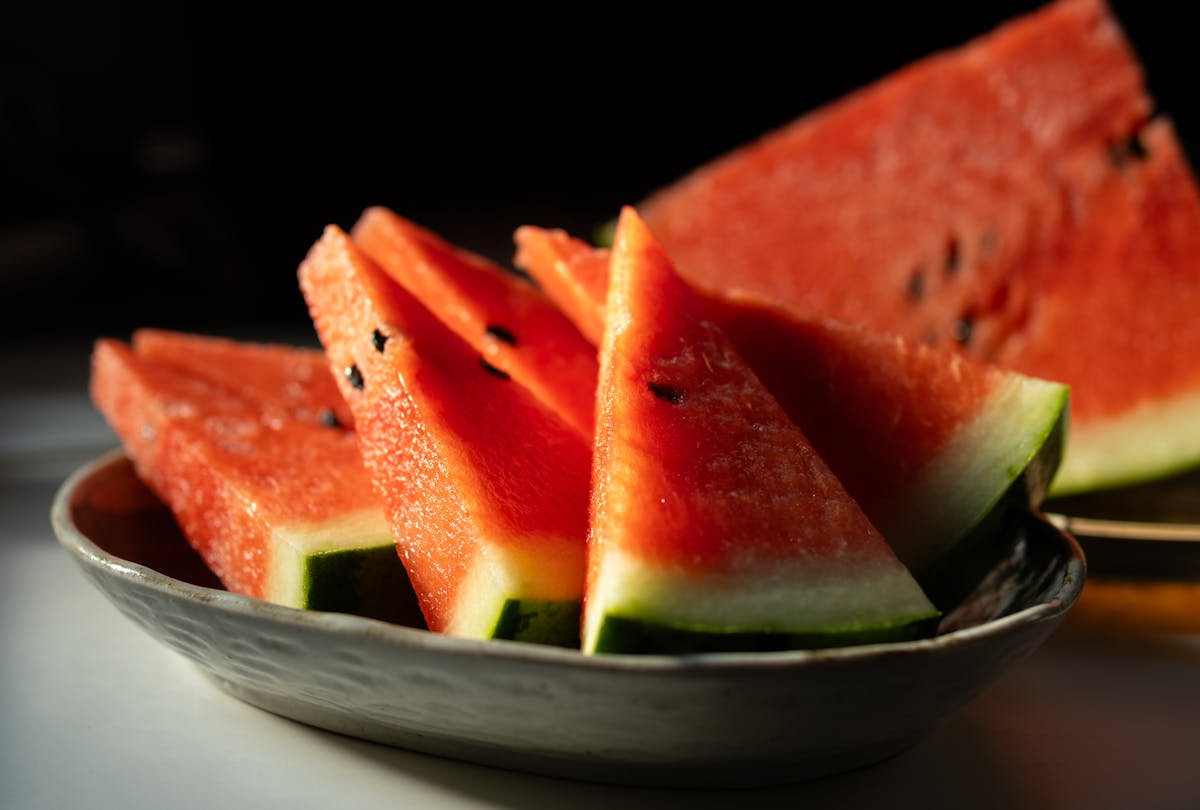
Pre-cut produce is one of the most tempting supermarket buys because it solves an immediate problem. Pineapple chunks, sliced melon, chopped onions, diced peppers, and veggie trays look clean, fast, and ready for the fridge. The hidden cost is that we pay for labor, packaging, and faster spoilage rather than for more food.
Whole produce usually gives better value because it lasts longer and offers more control. A whole pineapple, melon, cabbage, bag of carrots, or bunch of celery can stretch across snacks, salads, stir-fries, and lunch prep. For busy weeks, frozen fruits and vegetables often make more sense because they are already washed, portionable, and less likely to rot in the crisper drawer. Research comparing fresh and frozen produce has found frozen options can have comparable nutrient profiles, especially when “fresh” produce spends days in storage before it is eaten.
Bottled Water Turns a Basic Need Into a Repeated Expense

Bottled water feels small at checkout, but it becomes expensive because the purchase repeats. One bottle after the gym, another in the car, another during errands, and the weekly total can rival a pantry staple. The money is not going solely toward water. It is going toward plastic, transport, shelf space, branding, and refrigeration.
There is also a waste problem. EPA data shows that containers and packaging accounted for 82.2 million tons of municipal solid waste generation in 2018, or 28.1% of total generation. PET bottles and jars had a recycling rate of 29.1% in that same EPA data set, which means a refillable bottle is often the cleaner long-term habit as well as the cheaper one.
Premium Pre-Packaged Salads Sell Health at a Markup
Bagged salad kits look like discipline in a plastic pouch. They promise greens, toppings, dressing, and a quick lunch. The problem is that many kits contain small portions, sugary dressings, salty toppings, and greens that wilt quickly once the bag is opened.
A salad kit can still make sense during a stressful week, but it becomes wasteful when it replaces basic ingredients every time. We can build more flexible salads with a head of romaine, spinach, cabbage, carrots, cucumbers, chickpeas, boiled eggs, tuna, chicken, beans, seeds, or leftover roasted vegetables. The same ingredients can be used to make wraps, grain bowls, tacos, and side dishes, rather than a single expensive, single-use meal.
Name-Brand Spices Make the Smallest Bottles Feel Fancy
Spices are easy to overpay for because the bottles are tiny and the prices feel manageable. A few dollars for cinnamon, paprika, oregano, or garlic powder may not look painful, but the price per ounce can be shocking. The packaging, brand name, and shelf placement often carry more weight than the spice itself.
The smarter strategy is to buy spices with high turnover and simple packaging. Bulk bins, international markets, warehouse stores, and store brands often offer better value. We should also buy realistic amounts. A huge container of a spice we rarely use is not a bargain if it loses aroma before we finish it.
Boxed Baking Mixes Charge for Ingredients We Already Own
Boxed pancake, muffin, cake, biscuit, and brownie mixes offer comfort because they reduce the need for measuring. Yet many mixes are built from basic pantry ingredients such as flour, sugar, baking powder, cocoa, salt, and flavoring. We often pay extra for the box, the branding, and the feeling that baking is harder than it is.
Homemade dry mixes can solve the same convenience problem. We can prepare jars or containers of pancake mix, muffin base, or biscuit mix ahead of time and label them with the wet ingredients. That keeps the speed but gives better control over sugar, salt, flavor, and portion size.
Pre-Shredded Cheese Costs More and Often Melts Worse
Pre-shredded cheese saves a few minutes, but it often costs more per ounce than block cheese. Many shredded cheeses also contain anti-caking ingredients that help the pieces stay separate in the bag. That is useful for packaging, but it can affect melting in sauces, casseroles, grilled cheese, nachos, and macaroni and cheese.
Block cheese is more flexible. We can slice it for sandwiches, cube it for snacks, grate it for pasta, or shred it for pizza. It also tends to stay fresher when wrapped properly because less surface area is exposed to air.
Single-Serve Snacks Make Portion Control Expensive

Individual snack bags are marketed as lunchbox helpers, but the convenience can quietly drain the grocery budget. Chips, crackers, cookies, trail mix, nuts, raisins, fruit snacks, and pretzels usually cost more when divided into tiny packages. We are paying for packaging and portioning rather than for better food.
Family-size snacks paired with reusable containers can deliver the same grab-and-go convenience. The key is to portion snacks immediately after shopping. If the large bag stays open in the pantry, it can disappear faster than planned, erasing the savings.
Coffee Pods Turn a Daily Habit Into a Premium Subscription
Coffee pods are a classic convenience trap because they turn a single cup into a single sealed purchase. They are clean, fast, and consistent, but they usually cost much more per cup than drip coffee, French press, pour-over, or cold brew made from ground coffee or whole beans. The machine may be affordable, but the recurring pod cost carries the real expense.
A better coffee setup does not have to be complicated. A basic drip machine, French press, moka pot, or reusable pod can keep the routine simple. We can still buy good beans, flavored syrups, milk, or creamers and spend less than we would on a daily pod habit.
Name-Brand Cleaning Supplies Often Sell Familiarity
Cleaning aisles are built around trust. The bottle colors, familiar logos, and bold claims make name-brand cleaners feel more reliable. Yet many store-brand cleaners use similar active ingredients and deliver similar results for everyday messes.
This is where reading labels matters. We can compare active ingredients, intended surfaces, safety instructions, and concentration. Store brands can be especially smart for dish soap, glass cleaner, disinfecting wipes, toilet cleaner, laundry detergent, and basic all-purpose sprays. Consumer Reports has reported that store brands commonly cost 15% to 25% less than national brands, and some store-brand products match or beat name brands in taste or performance comparisons.
Sugary Cereals Spend More on the Box Than On The Breakfast

Cereal is one of the easiest supermarket buys to justify because it feels like a household staple. The problem is that many brightly marketed cereals come in small boxes, are high in sugar and low in fiber, and cost a high price per ounce. The cartoon box can cost more than the grain.
A stronger breakfast shelf starts with oats, shredded wheat, bran cereal, plain corn flakes, muesli, or lower-sugar store brands. The FDA’s Nutrition Facts label uses 50 grams as the Daily Value for added sugars, so comparing added sugar percentages can quickly show which cereals are doing more dessert work than breakfast work.
Packaged Deli Meats Cost More Than Better Protein Options
Packaged deli meats look convenient, but they are often expensive per pound. They also create a sandwich routine that can become repetitive and costly. Thin slices disappear quickly, and many packages contain added sodium, preservatives, or fillers that make the value less impressive.
Fresh deli counter meat can be better when sliced to order, but even then, it should be compared with cooked protein prepared at home. Roast chicken, turkey breast, tuna, eggs, beans, hummus, leftover meatloaf, grilled vegetables, and cheese can all be used as sandwich fillings, wraps, bowls, or salads.
Bakery Muffins and Pastries Turn Snacks Into Dessert Prices
Supermarket bakery muffins, cookies, croissants, and pastries smell like a reward after a long shopping trip. The problem is that bakery items often carry a high markup and can go stale quickly. A four-pack of muffins may cost as much as a full breakfast plan.
Baking at home isn’t always realistic, but pantry-based snacks can still help reduce impulse bakery spending. Oats, bananas, peanut butter, eggs, flour, applesauce, raisins, and yogurt can be used to make quick muffins, pancakes, snack cakes, or overnight oats. Even store-brand bread with peanut butter or jam can beat the cost of individually priced pastries.
How to Spot a Wasteful Supermarket Buy Before It Hits the Cart
A wasteful buy usually has one of five warning signs. It is pre-portioned, heavily packaged, placed for impulse, priced far above the basic version, or likely to spoil before we use it. None of these signs means the item is always bad, but they do mean we should pause.
The best question is simple: are we paying for food, or are we paying for the store to do a small task we can handle once at home? Chopping, shredding, portioning, mixing, seasoning, brewing, and packing are often cheap when done in batches. They are expensive when sold by the serving.