13 Small Habits That Can Slowly Damage Your Health
Some health problems do not arrive like a thunderstorm. They creep in like a slow leak under the sink, quiet at first, then expensive, stressful, and hard to ignore. The scary part is that many harmful habits look normal because everyone around us is doing them too.
A skipped glass of water. A late-night scroll. Too much salt. A chair that becomes your second home. None of these feels dramatic, but repeated daily, they slowly sap your energy, mood, heart, sleep, skin, and health.
Sitting for Too Many Hours

Sitting all day may feel harmless because it does not look like an “active” bad habit. But the body was built to move, stretch, walk, bend, and use its muscles. Long hours in a chair can slowly affect circulation, posture, metabolism, and energy levels.
This habit worsens when work, meals, entertainment, and social life all take place from the same seated position. The CDC recommends that adults aim for regular weekly movement, including moderate aerobic activity and muscle-strengthening activities, at least 2 days a week. Even short walking breaks can help break the cycle.
Sleeping Less Than Your Body Needs
Cutting sleep may feel productive, especially when life gets busy. The problem is that the body does some of its most important repair work while you are asleep. Poor sleep can affect mood, memory, appetite, immunity, and heart health.
The CDC links insufficient sleep with a higher risk of anxiety, depression, obesity, heart disease, injury, and other serious conditions. One late night will not ruin your health, but turning short sleep into a lifestyle can slowly make your body run like a phone stuck on low battery.
Scrolling in Bed Every Night

A phone in bed feels like comfort, but it can quietly steal rest. One video becomes ten, one message becomes a long thread, and suddenly the brain is awake when the body should be winding down. Bedtime scrolling can also make sleep feel lighter and less refreshing.
Research summarized by the CDC has linked high screen time to later bedtimes, shorter sleep duration, insomnia symptoms, and daytime sleepiness. The habit feels small because the room is quiet and the lights are off, but the brain is still being fed noise, emotion, and stimulation.
Drinking Sugary Drinks Too Often

Sugary drinks are easy to underestimate because they do not feel like a full meal. Soda, sweet tea, energy drinks, flavored coffees, and fruit drinks can add a lot of sugar without making you feel truly satisfied. That makes them one of the sneakiest daily health traps.
The CDC says that frequently drinking sugar-sweetened beverages is associated with weight gain, obesity, type 2 diabetes, heart disease, non-alcoholic liver disease, tooth decay, cavities, and gout. The danger is not one sweet drink at a party. It is making liquid sugar part of the daily routine.
Eating Too Much Salt Without Noticing
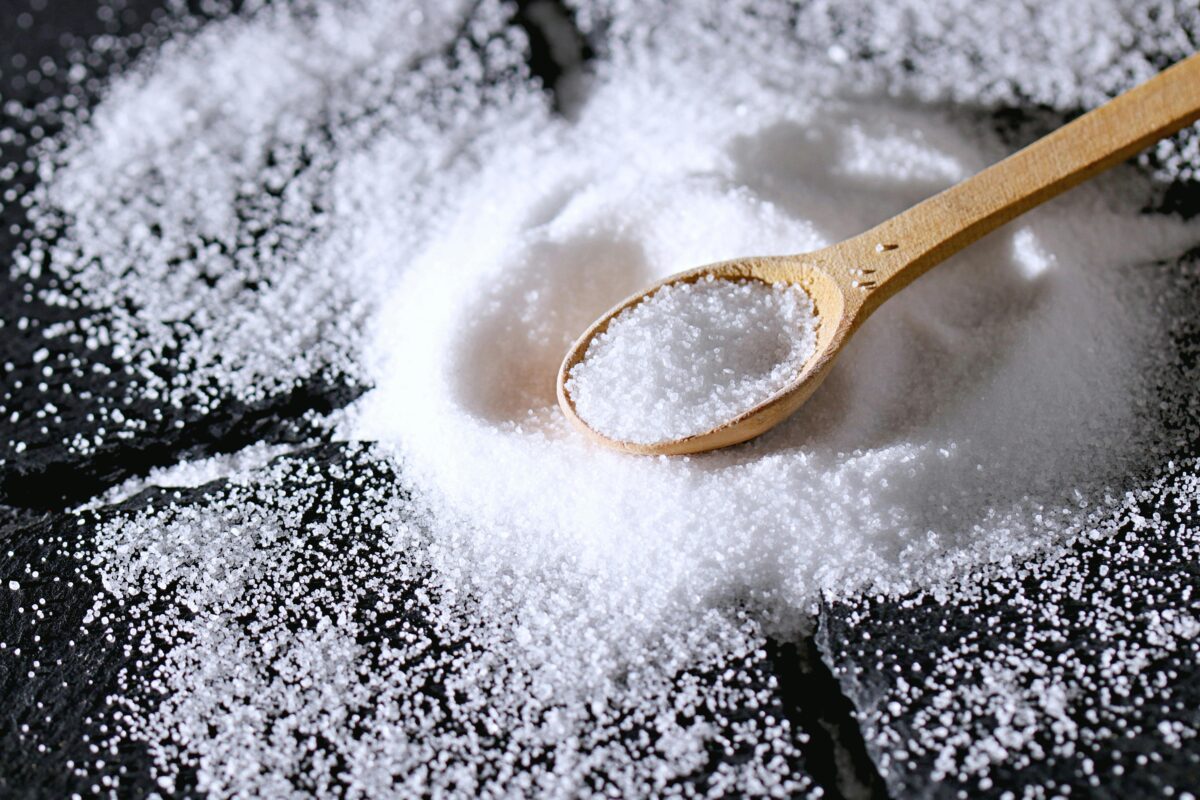
Salt does not always announce itself. It hides in canned soups, deli meats, frozen meals, chips, sauces, fast food, and restaurant dishes. A meal can taste normal and still carry more sodium than your body needs.
The CDC warns that eating too much sodium can increase blood pressure and raise the risk of heart disease and stroke. The small habit of salting food before tasting it can make the problem worse. Reading labels and choosing lower-sodium options can protect your heart over time.
Skipping Water Until You Feel Drained
Many people wait until they are very thirsty before drinking water. By then, the body may already be asking for help. Mild dehydration can show up as tiredness, headaches, poor focus, dry mouth, dizziness, or a general feeling of being off.
Mayo Clinic explains that dehydration occurs when the body loses or uses more fluid than it takes in, leaving it without enough water to perform its normal functions. Water is not glamorous, but it is one of the simplest daily tools for keeping the body steady.
Brushing but Never Flossing
Brushing your teeth is important, but it does not reach every tight space. Plaque and food particles can accumulate between teeth where a toothbrush cannot reach. Over time, that can lead to gum trouble, cavities, bad breath, and dental costs nobody enjoys.
The American Dental Association recommends flossing once a day because it removes food particles and plaque that can lead to cavities and gum disease. Skipping floss may feel like a tiny shortcut, but your gums notice every missed day.
Ignoring Sunscreen on Normal Days
Many people use sunscreen only at the beach, in the pool, or on vacation. But sun exposure happens during errands, driving, walking, gardening, and standing outside for “just a few minutes.” Skin damage builds slowly, and it often shows up years later.
The American Academy of Dermatology says sun protection can reduce the risk of skin cancer, sunburn, and premature skin aging, such as age spots, sagging, and wrinkles. Sunscreen is not just a beauty habit. It is basic skin protection.
Washing Hands Too Quickly
A quick splash under the faucet can feel like handwashing, but it often leaves germs behind. This matters after using the bathroom, handling food, touching pets, coughing or sneezing, taking out the trash, or returning from public places. Clean hands are a small defense with a big payoff.
The CDC says handwashing helps prevent the spread of respiratory and diarrheal infections, especially because germs can move from surfaces to people and from hands to the eyes, nose, and mouth. Rushing through it may save seconds, but it can cost days of feeling sick.
Using Alcohol as a Nightly Reset

A drink after a stressful day can feel like a reward, but turning it into a nightly coping tool can slowly become a problem. Alcohol can affect sleep quality, mood, judgment, weight, liver health, and long-term disease risk. The body still has to process it, even when the mind calls it relaxation.
The CDC notes that excessive drinking increases the risk of getting sick, injured, or dying sooner, and even moderate drinking may increase health risks compared with not drinking. The habit becomes dangerous when “just tonight” quietly becomes every night.
Carrying Stress Like It Is Normal
Stress can become so familiar that people stop recognizing it as a health issue. Constant tension, rushing, overthinking, poor sleep, irritability, and feeling always “on” can slowly drain the body. The danger is not ordinary pressure. It is never giving the nervous system a chance to calm down.
Mayo Clinic explains that long-term activation of the stress response system can disrupt many body processes and raise the risk of problems such as anxiety, depression, digestive issues, headaches, heart disease, high blood pressure, sleep problems, and trouble with memory and focus. Rest is not laziness. It is maintenance.
Avoiding Fruits and Vegetables
A diet can be filling and still lack what the body needs. If most meals come from packaged snacks, fried foods, refined carbs, and processed meats, the body may miss fiber, vitamins, minerals, and plant compounds that support long-term health. This habit often builds slowly because convenience wins at the end of a tiring day.
The CDC says diets rich in fruits and vegetables can help protect against chronic diseases such as heart disease, type 2 diabetes, some cancers, and obesity. Adding fruit at breakfast or vegetables at dinner is not a magic cure, but it is a smart daily deposit into your health.
Ignoring Small Symptoms for Too Long
A strange pain, unusual fatigue, bleeding gums, frequent headaches, changes in skin, constant heartburn, or shortness of breath should not be treated like background noise. Many people ignore symptoms because they are busy, afraid, or hope the problem will go away. Sometimes it does. Sometimes it does not.
The habit of delaying care can turn small issues into bigger ones. You do not need to panic over every minor discomfort, but you should pay attention to patterns, changes, and symptoms that keep returning. Your body often whispers before it screams.
Final Takeaway
The habits that damage health are rarely dramatic at first. They blend into busy mornings, long workdays, stressful evenings, and tired routines. That is what makes them powerful. They do not need one big moment to affect your health. They only need repetition.
The good news is that small habits can also repair what small habits damage. Stand up more often, sleep a little earlier, drink more water, protect your skin, floss daily, wash your hands properly, eat more whole foods, and stop treating stress like a badge of honor. Better health does not always begin with a huge life makeover. Sometimes, it starts with one ordinary habit you finally decide to change.