Taco Bell Prices Are Rising, but the Real Frustration Runs Deeper
For decades, ordering at Taco Bell required almost no financial planning. We could pull into the drive-through, choose a few familiar items, and trust that the total would remain safely within fast food territory. That certainty is disappearing.
Customers are not simply upset because tacos, burritos, and Crunchwraps cost more. They are frustrated because Taco Bell’s best prices increasingly seem to require an app, a rewards account, a promotional box, a carefully chosen location, and the patience to compare combinations before ordering.
The food may still be fast. Finding the bargain is becoming surprisingly complicated.
Customers Are Mourning More Than Cheap Burritos
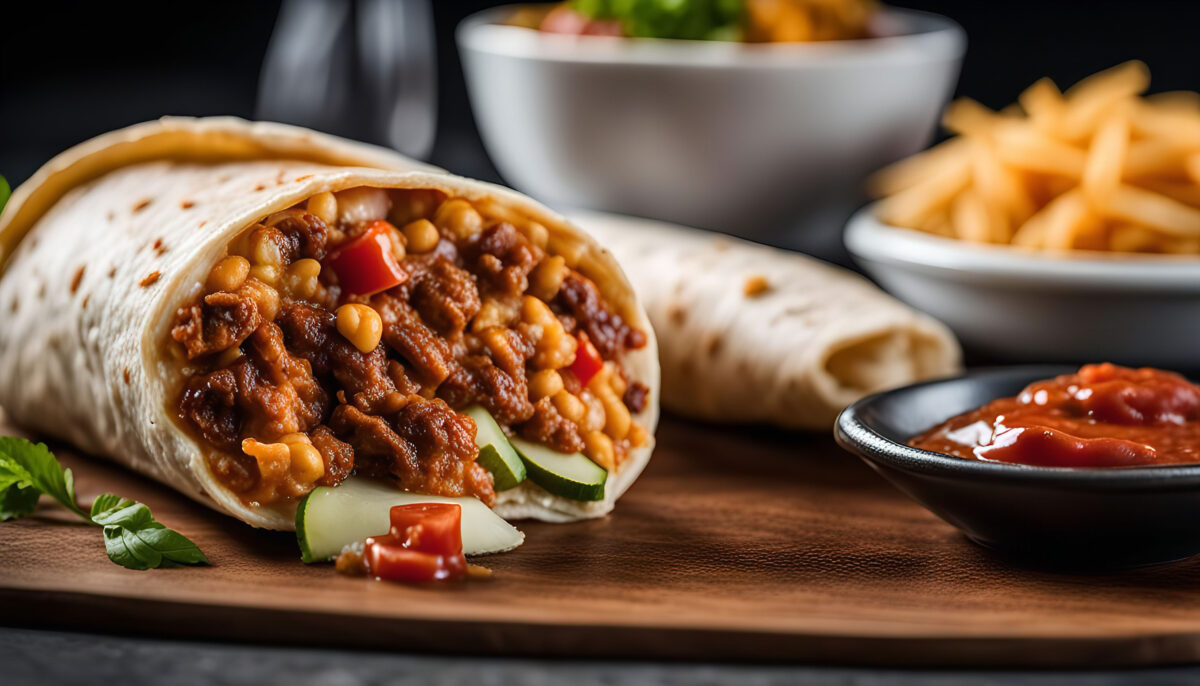
A recent Reddit discussion captured the mood when one Taco Bell fan wrote that they could no longer afford to visit as often as they once did. Other customers joined in with stories about bean burritos, Cheesy Gordita Crunches, and Crunchwrap Supremes costing far more than they remembered.
That reaction might sound dramatic for a restaurant built around seasoned beef and neon colored drinks. Yet it reveals how deeply Taco Bell’s affordability became connected to everyday American life.
Taco Bell was the place many customers visited after school, after a late shift, during a road trip, or when payday was still several days away. It was not necessarily luxurious, but it was dependable.
That is what customers believe they are losing.
A FinanceBuzz comparison found that Taco Bell menu prices rose an average of 81 percent between 2014 and 2024. The analysis placed Taco Bell behind McDonald’s and Popeyes among the major chains with the largest average increases.
The increases feel especially severe because Taco Bell started from such a low base. Moving an item from roughly $1.50 to more than $3 may not create the largest dollar increase in fast food, but it can completely change how customers use the menu.
A cheap add-on becomes a decision. A spontaneous order becomes a calculated purchase.
Taco Bell Still Has Deals, but They Come With Conditions
The strange part of this story is that Taco Bell has not stopped selling inexpensive food.
In January 2026, the chain launched its Luxe Value Menu nationwide with 10 items advertised at $3 or less at participating restaurants. Taco Bell presented the menu as a major commitment to affordability, combining new products with returning favorites.
The company has also promoted Luxe Cravings Boxes at $5, $7, and $9, giving customers several full-sized items in one bundled order. Those deals can offer real value. However, they have also created two very different versions of Taco Bell.
In the first version, a customer orders a few recognizable favorites individually and receives a total that feels surprisingly close to casual restaurant pricing.
In the second, a customer checks the app, chooses a promotional box, avoids expensive customizations, selects the right store, and builds a much cheaper meal.
The difference is knowledge.
Taco Bell has not eliminated value. It has turned value into something customers must actively locate.
The Fast Food Menu Is Becoming a Loyalty Test

This shift is happening across the restaurant industry. Chains increasingly reserve their strongest discounts for mobile users, rewards members, and customers willing to order from a limited promotional menu.
For companies, the strategy makes sense. An app can collect useful ordering data, encourage repeat visits, advertise new products, and send promotions directly to customers.
For diners, the arrangement is less straightforward.
A person ordering at the counter may pay more than someone standing a few feet away using a phone. A customer who wants one specific burrito may receive less food for the money than someone willing to accept a pre-selected box. Convenience now carries a premium.
The cheapest fast food customer is no longer simply the person who visits the cheapest restaurant. It is the person who understands the digital system better than everyone else.
That creates an uncomfortable question for Taco Bell. Can a restaurant still call itself broadly affordable when its best value depends on customers knowing which menu, promotion, platform, and location to use?
Rising Prices Have Not Stopped Taco Bell’s Momentum
Customer frustration has not yet translated into weak business results.
Taco Bell’s United States same-store sales increased 7 percent during 2025. In the first quarter of 2026, U.S. system sales rose 10 percent, and same-store sales grew 8 percent.
Those figures suggest customers are still visiting, spending more, or responding strongly to product launches and promotions.
They also explain why Taco Bell has little incentive to return to the pricing structure customers remember. From a business perspective, the current model is working.
The chain can charge more for famous products while using value menus and boxes to defend its affordable image. Customers who want a Cheesy Gordita Crunch may pay the premium, while budget shoppers are directed toward less expensive combinations.
It is an effective pricing strategy because it allows Taco Bell to serve both groups without choosing one identity.
The danger is that customers may eventually stop believing the affordable identity.
Sales can remain strong even as trust weakens. Brand damage often begins quietly, when customers visit less frequently, skip drinks, stop ordering favorite items, or start comparing the bill with local restaurants.
Inflation Explains Part of the Increase, but Not the Entire Reaction
Restaurants continue to face higher labor, food, packaging, rent, and transportation expenses. The Bureau of Labor Statistics reported that prices for limited service meals and snacks were 3.1 percent higher in June 2026 than they had been one year earlier. Customers understand that a taco cannot remain priced like it was in 1995.
The frustration comes from the accumulated increases and the gap between Taco Bell’s reputation and the amount appearing on the receipt.
A premium burger chain can raise prices without rewriting its identity. Taco Bell faces a harder task because affordability was never a minor feature of the brand. It was one of the main reasons people went there.
When prices rise at Taco Bell, customers do not merely feel that lunch became more expensive. They feel that one of the final dependable cheap meals has become conditional.