10 Creepy Candle Myths that Make People See a Flame as a Warning
Candles are simple, yet they have always carried weight beyond their light. A single flame can brighten a room, soften shadows, and warm the air, but in folklore, it also carries warnings, messages, and unseen presences. Across centuries, people treated candlelight as more than practical—it became a conduit for spirits, omens, wishes, and eerie signals that the ordinary eye could not perceive.
Before electricity, the flicker of a candle was a storyteller. Its movement, strength, and shape were read for meaning. A leaning flame, a sudden flare, or a candle that burned too fast could signal life, death, or hidden forces. Modern fire guidance keeps us safe, but these old tales show how imagination and observation turned a domestic object into a symbol of the unknown.
Flickering Flames Signaled Spirit Presence
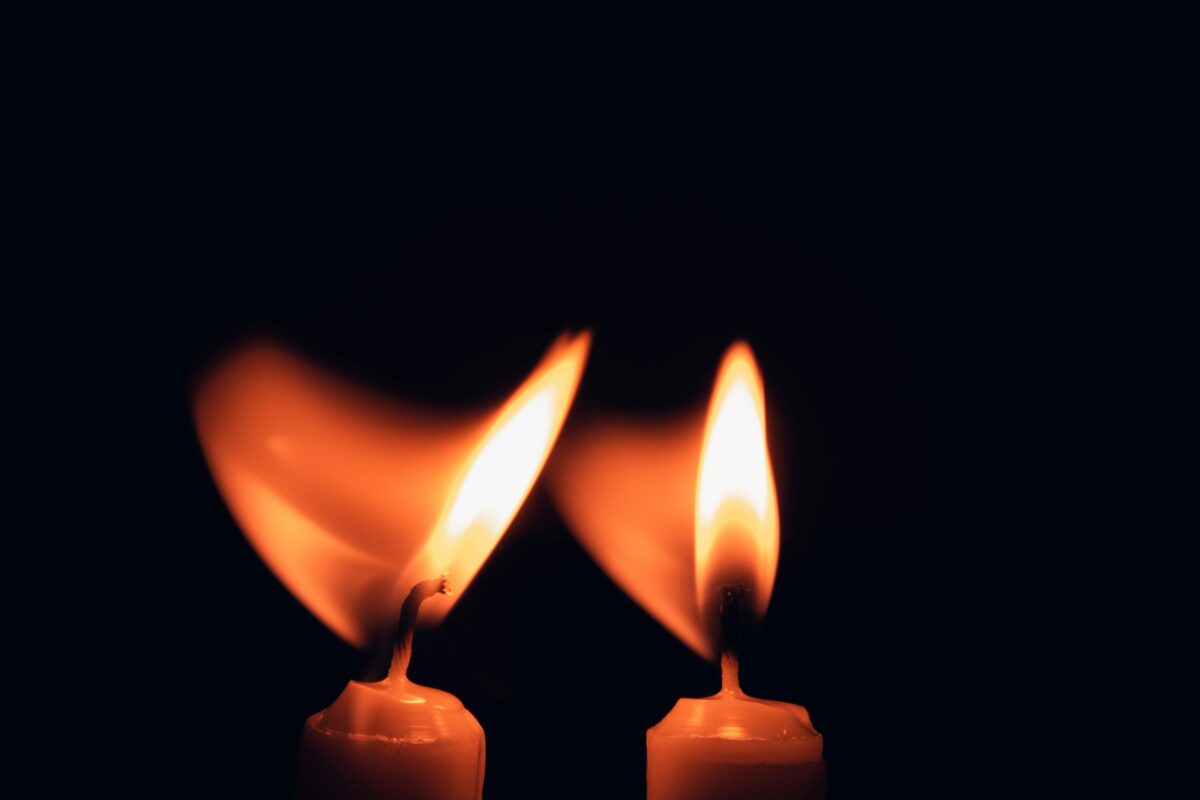
One of the oldest candle myths is that a flickering flame indicates a spirit nearby. Shadows and light shift naturally, but folklore interpreted a leaning, trembling, or brightening flame as more than air currents. Rooms felt alive with unseen company, and the smallest movement became a sign.
Families relied on candlelight for vigil and ritual, believing the flame could summon loved ones or warn of danger. A single flicker was enough to carry profound meaning, turning domestic space into a bridge between the living and the unseen.
A Candle Blowing Out Was a Death Omen
In many traditions, a candle extinguishing on its own was feared as a sign of impending death. The flame symbolized the human soul, and a sudden vanishing hinted at life being snuffed out.
This belief gained weight around sickbeds and wakes, where the presence of dying or mourning made the superstition feel real. A gust of wind or a weak wick might logically explain the event, but folklore gave it a chilling significance that lingered long after the flame went out.
Lighting Three Candles Together Brought Misfortune
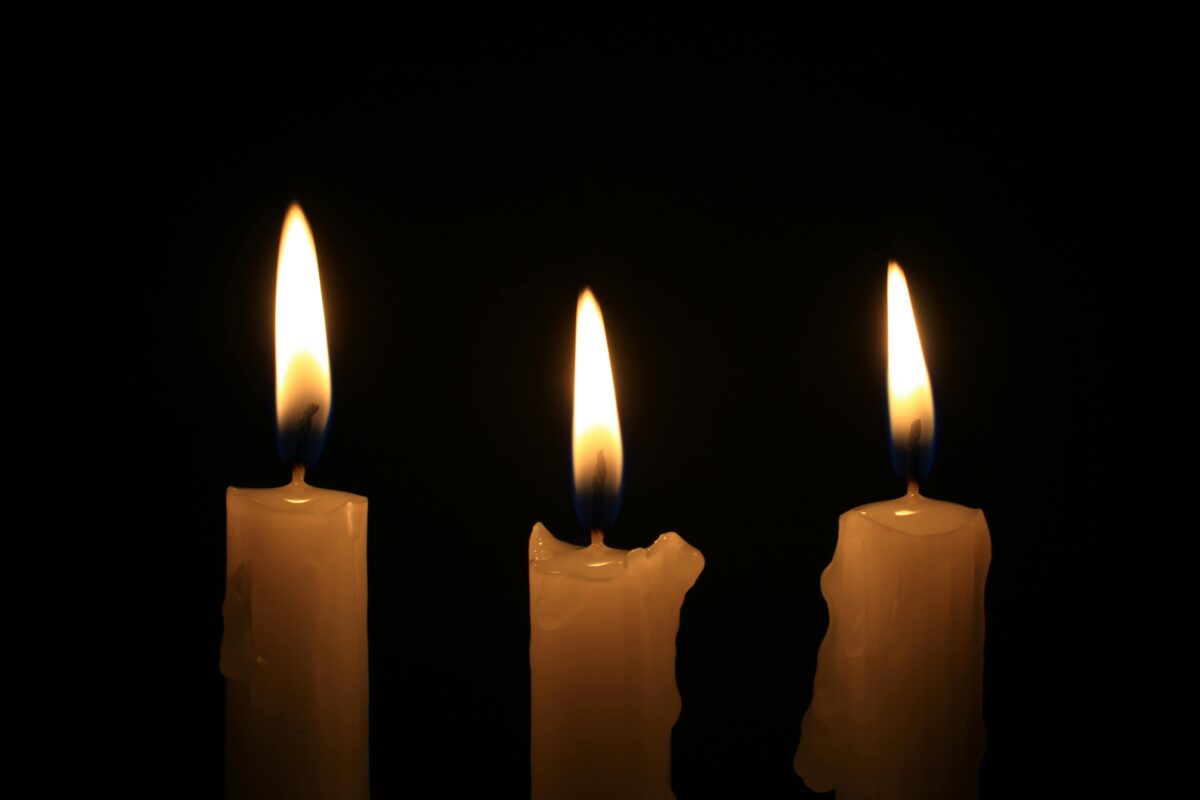
Lighting three candles at once was considered dangerous in multiple superstitions. The middle or third candle could attract dark energy or signal harm to someone present.
Soldiers’ warnings about “three on a match” amplified the fear. Patterns matter in folklore: the first flame revealed, the second confirmed, the third doomed. That rhythm gave the superstition its weight, ensuring people avoided groups of three lights whenever possible.
Leaving a Candle in an Empty Room Invites Spirits

Folk traditions warned that a candle left burning in an empty room could attract wandering souls. The light acted as a beacon, signaling warmth, safety, or attention.
Empty spaces already feel charged, and a glowing flame seemed to invite the unseen. Shadows and flickers could transform a silent, empty room into a place teeming with hidden life.
Red Candles Invites Blood, Anger, and Danger
Red candles carried ominous connotations, symbolizing blood, violence, or conflict. Burning one was believed to stir quarrels, misfortune, or illness.
Color alone gave flames meaning. Red could be perceived as aggressive or threatening, even when used for decor or ritual. Its presence signaled intensity that ordinary candlelight rarely conveyed.
Candles Under Beds Attracted Demons
Placing a candle under a bed was considered a dark, dangerous act. Legends said it invited demons, nightmares, or sudden illness.
Beyond the supernatural, the myth reinforced fire safety. Beds contain flammable materials, and a flame beneath one could be catastrophic. The folklore wrapped caution in fear, making a practical warning unforgettable.
Wax Patterns Were Read Like Messages

Ceromancy, or wax divination, interpreted drips, shapes, and hardened wax as signs of the future. Smooth circles promised harmony; jagged forms warned of conflict; humanoid shapes hinted at visitors or messages.
Watching wax transform into shapes turned an ordinary candle into a tool for insight. The patterns offered a glimpse into fate, blending curiosity, entertainment, and superstition.
Funeral Candles Guide Souls
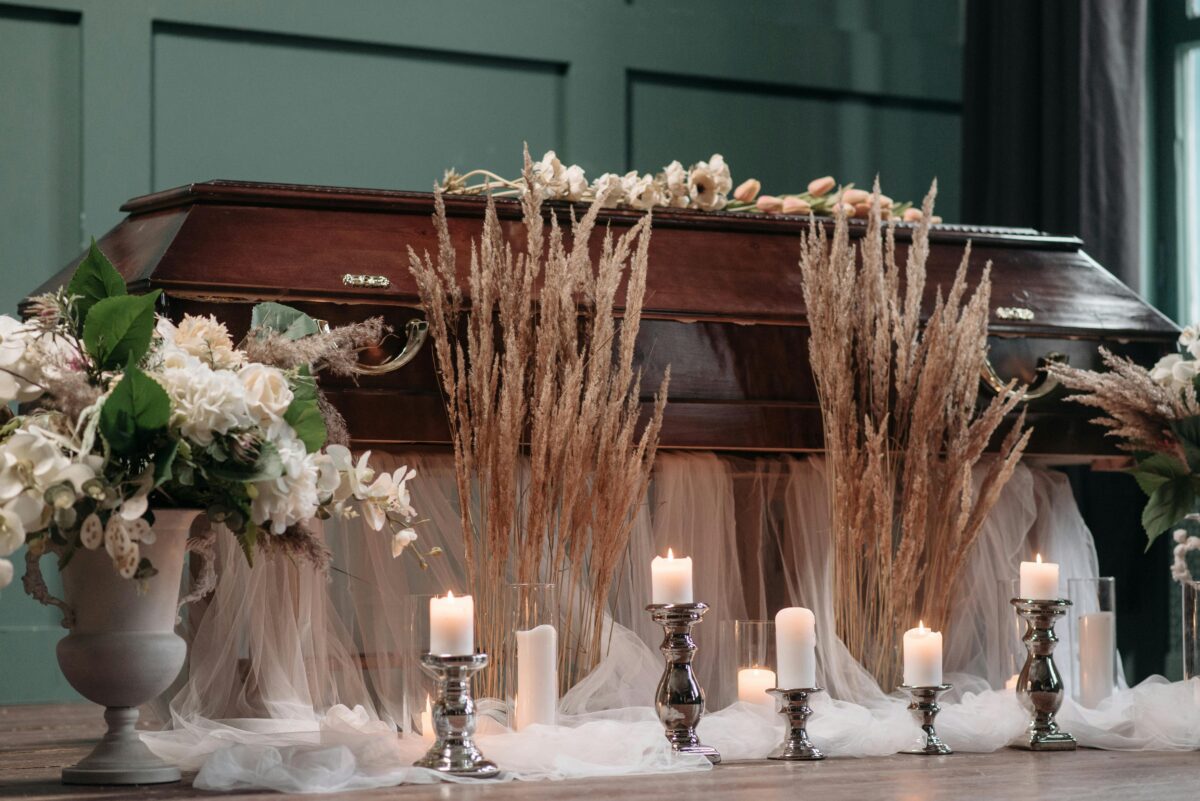
Burning candles at funerals was believed to guide the soul safely to the afterlife. Without them, spirits might become lost, return to disturb the living, or face threats from malevolent forces.
A steady flame served as both comfort and protection, marking the boundary between life and what comes next.
Window Candles Could Attract Spirits or Guests
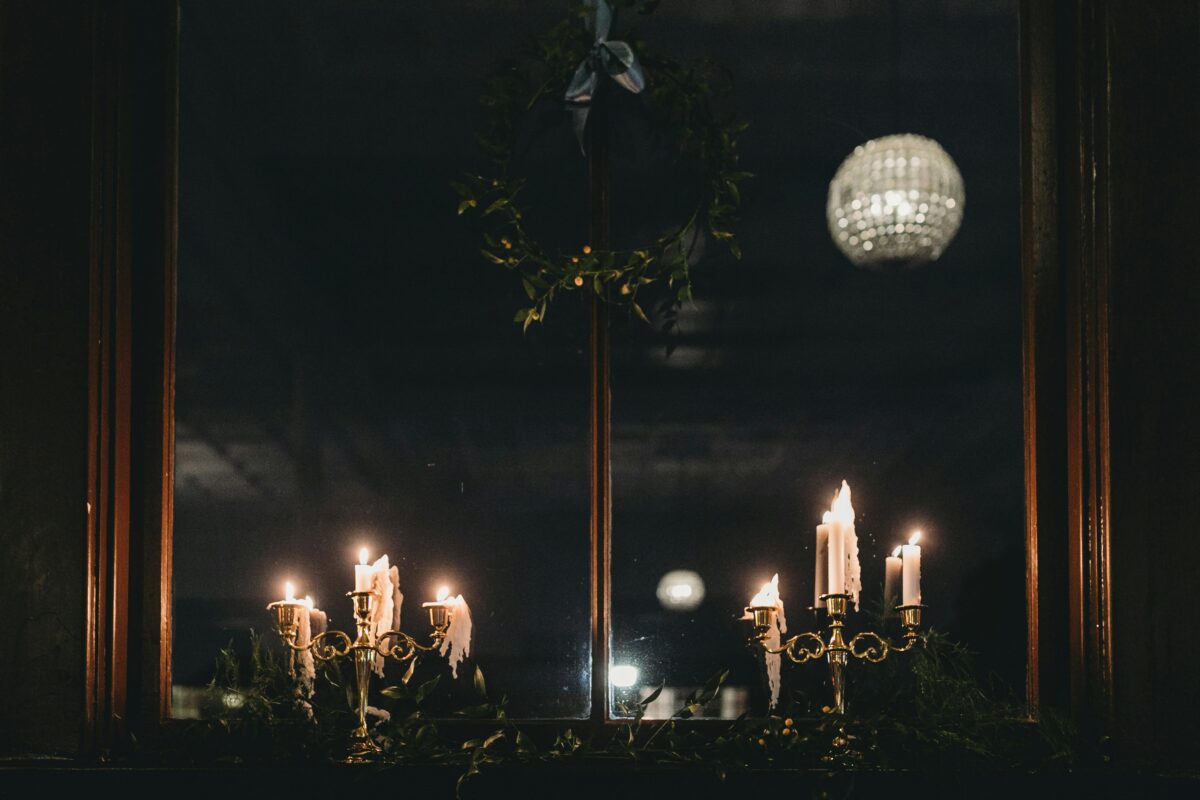
Candles placed in windows were dual symbols. They welcomed travelers or honored memory, but folklore warned they might attract spirits or wandering souls.
A glowing window becomes a threshold. It signals safety and hospitality while inviting caution.
Candle Flames Predicted Weather
Before modern instruments, people observed candle flames to forecast storms. Fluctuating flames could indicate wind, rain, or changes in air pressure.
Some traditions saw these movements as messages from unseen forces. A wild or flickering flame could warn of spiritual unrest as well as approaching weather.
Conclusion
Candle myths turned a simple flame into a messenger, a warning, or a guide. From spirits and death omens to fortune-telling and haunted houses, one small flame held immense power. Candles endure as symbols because they balance beauty and danger, comfort and fear, light and shadow. Even today, a flicker in the dark can feel like more than just fire.