6 Dinner Table Rules That Families Still Argue About
Dinner-table rules have a funny way of feeling universal, mostly because we learned them at home and assumed everyone else learned the same things.
One person may have grown up hearing, “Wait until everyone is served,” while another was encouraged to eat while the food was hot. Both can look at the other person’s habit and wonder how it became normal.
That is the interesting part about dinner manners: many rules are really family traditions shaped by different ideas about consideration, conversation, and togetherness.
What seems obvious in one household may sound completely unfamiliar in another. Here are six dinner-table debates that families still have.
No Phones at the Table
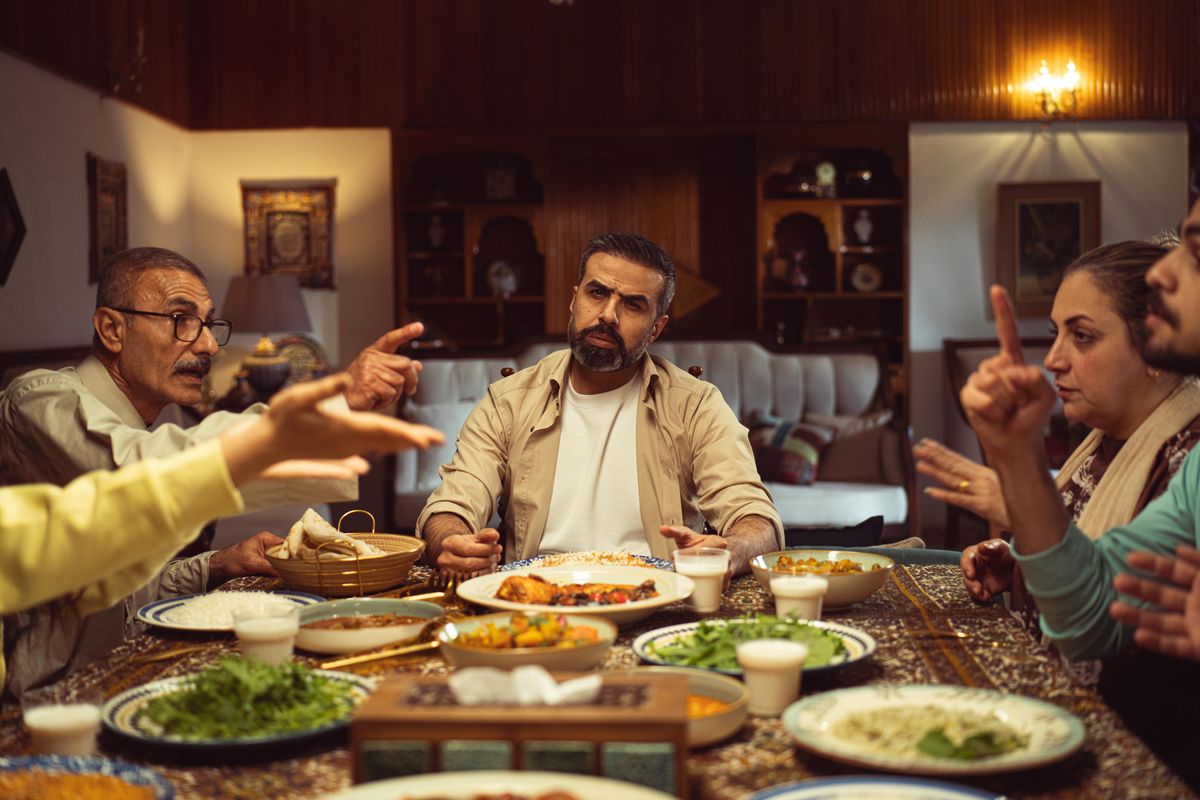
The classic dinner-table complaint is simple: put the phone away. Some households treat phones at the table as a complete no-go, with everyone expected to focus only on the people sitting nearby.
Traditional etiquette guidance from the Emily Post Institute recommends silencing phones and putting them away during meals, while recognizing that some situations, such as needing to stay reachable for a sick loved one, may be exceptions.
Other families take a more practical approach. A phone might sit face down or stay on vibrate for a specific reason. The debate often comes down to whether the phone is being used as a tool or quietly becoming another dinner guest.
Of course, the rule gets tested when someone suddenly needs to check something “important,” like whether the chicken is finished cooking.
Wait Until Everyone is Served
In some homes, nobody takes the first bite until everyone has a plate. The idea is that dinner is a shared experience, not a race to see who can start first. Traditional dining etiquette has often emphasized waiting until everyone is served or seated, especially during formal meals.
But weeknight dinners are rarely perfectly timed. Someone may still be bringing food from the kitchen, a child may already be ready to eat, or one person’s meal may need a few more minutes.
That creates the family argument: Is waiting a thoughtful way to include everyone, or does it simply mean someone’s dinner sits untouched while the rest of the table waits?
For some families, the answer is obvious. For others, “go ahead and start” is considered perfectly polite.
Ask Before Reaching Across the Table
This rule sounds simple until the butter is six inches away and everyone is already passing dishes around.
Traditional table-manners guidance suggests asking for an item instead of reaching across another person’s place setting. The reasoning is practical: reaching can bump glasses, interrupt conversation, or send an arm across someone else’s space.
In a more formal setting, “Please pass the rolls” feels natural. In a casual family meal, some people may wonder whether a quick reach is really a problem if nobody is bothered.
The funny part is that families often disagree on what counts as “reaching.” One person’s tiny stretch is another person’s full table invasion.
Finish Everything on Your Plate
The clean-your-plate rule is one of the most recognizable family dinner traditions. Many parents and grandparents have encouraged children to finish what they take, often connecting the idea with avoiding waste, appreciating the meal, and respecting the person who prepared it.
Other households have moved toward a different approach, encouraging people to take a reasonable amount first and get more later if they want it.
The disagreement is often less about the food itself and more about the lesson behind the rule. One family may see finishing a plate as showing gratitude. Another may focus on taking a manageable portion from the beginning.
Either way, the dinner-table compromise many families find is simple: start with less, and come back for more when needed.
Stay at the Table Until Everyone is Finished
For some families, leaving the table before everyone else is done feels like walking away from the conversation. Dinner is not just about eating; it is a daily moment when everyone is together.
Emily Post’s guidance for children encourages diners to ask to be excused rather than simply leaving.
But modern schedules can complicate the tradition. Homework, work shifts, chores, and other responsibilities may mean someone cannot stay as long as everyone else.
The real disagreement is often not about the chair at all. It is about what dinner represents. In some homes, it is protected family time. In others, it is simply the place where busy people happen to eat at the same time.
Who Gets the Last Piece?
Few dinner-table moments create more silent drama than the final piece of food sitting on a serving plate.
Some people immediately take it. Others ask if anyone wants it first. Some offer it to the person who cooked, split it in half, or save it for someone who has not arrived yet. Emily Post food etiquette suggests offering the last serving to others before taking it yourself.
Then there are the households where nobody touches it because everyone is waiting for someone else to make the first move.
The last dinner roll, slice of pie, or piece of garlic bread becomes a tiny test of family diplomacy. It is less about the food itself and more about the small ways people show generosity, politeness, or a willingness to negotiate.
Dinner-table rules are often inherited traditions rather than universal laws. One family may defend a rule that another family has never even considered. That is what makes ordinary meals so interesting: a plate, a phone, or a final piece of food can reveal the different ways families define respect, connection, and good manners.