Trump-Iran Tensions Escalate as Nuclear Talks, Hormuz Threats and Military Pressure Dominate Global Attention
Tensions between the United States and Iran are intensifying as both sides remain locked in a high-stakes confrontation involving nuclear negotiations, military pressure, and the strategic Strait of Hormuz.
The latest developments have placed the Middle East back at the center of global attention, with concerns growing over the possibility of a wider conflict and the impact any escalation could have on energy markets, regional security, and international diplomacy.
President Donald Trump has continued to pressure Tehran while leaving open the possibility of negotiations. Iran, meanwhile, has warned against what it views as increased U.S. pressure and military threats.
The situation has created a difficult diplomatic balance. Both countries have signaled they are willing to defend their interests, but neither side appears to have an easy path toward a lasting agreement.
Nuclear Deal Dispute Remains at the Heart of U.S.-Iran Conflict
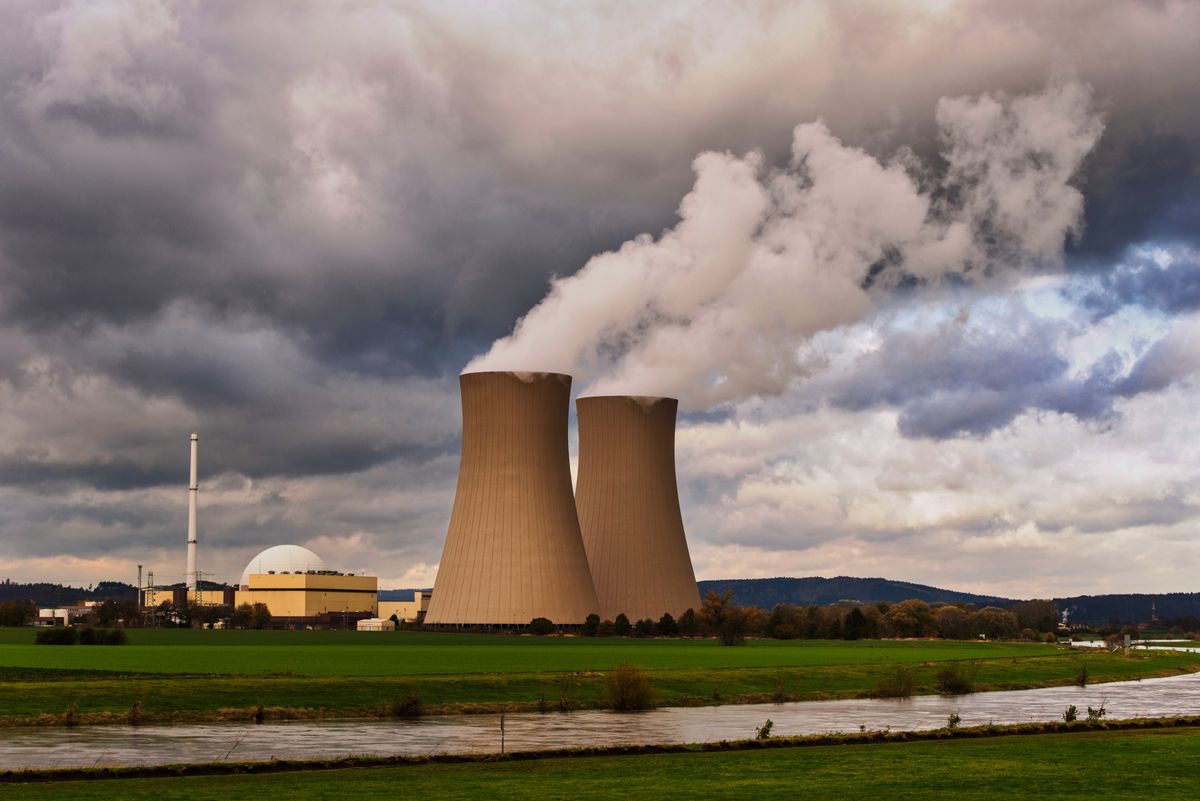
The long-running dispute between Washington and Tehran has largely centered on Iran’s nuclear program and international efforts to limit its development.
The United States has argued that Iran must provide stronger guarantees that its nuclear activities are not aimed at developing nuclear weapons.
Iran has maintained that its nuclear program is for peaceful purposes and has criticized sanctions imposed by Washington.
The 2015 nuclear agreement, formally known as the Joint Comprehensive Plan of Action (JCPOA), attempted to restrict Iran’s nuclear activities in exchange for sanctions relief.
However, tensions increased after the United States withdrew from the agreement during Trump’s first term and restored economic sanctions against Iran.
Iran later reduced its compliance with some limits established under the agreement.
The dispute has remained unresolved, with diplomatic efforts repeatedly facing setbacks.
The latest confrontation has again placed nuclear negotiations at the center of discussions.
U.S. officials have continued to demand restrictions and verification measures, while Iranian officials have insisted that any agreement must address sanctions and respect Iran’s sovereignty.
The disagreement reflects a broader struggle over how to prevent nuclear proliferation while avoiding a military conflict.
Strait of Hormuz Becomes Key Concern as Regional Risks Grow

One of the biggest concerns surrounding U.S.-Iran tensions is the Strait of Hormuz, a narrow waterway between Iran and Oman that plays a major role in global energy transportation.
A significant portion of the world’s oil supply passes through the strait, making it one of the most strategically important shipping routes on the planet.
Any disruption in the area could affect energy markets and increase uncertainty for countries that rely on imported oil.
Iran has previously threatened actions involving the strait during periods of heightened tensions with the United States.
American officials have warned that attempts to restrict international shipping would face a strong response.
The possibility of conflict in the region has also raised concerns about the involvement of regional allies and armed groups connected to Iran.
The Middle East has experienced years of tension involving Iran, Israel, Gulf countries, and U.S. forces stationed throughout the region.
A confrontation between Washington and Tehran could have consequences beyond the two countries involved.
Energy prices, international trade, and diplomatic relationships could all be affected by a major escalation.
This is why officials around the world continue to monitor developments between the United States and Iran closely.
Diplomacy Faces Major Test as Both Sides Increase Pressure
While military concerns dominate headlines, diplomacy remains central to the discussion.
Trump has previously used a combination of sanctions, negotiations, and military pressure as part of his approach toward Iran.
Supporters of his strategy argue that strong pressure is necessary to force Tehran into making concessions.
Critics argue that excessive pressure could increase the risk of miscalculation and make diplomacy more difficult.
Iranian officials have repeatedly said they will not accept agreements they believe threaten their independence or security.
The challenge for negotiators is finding common ground between competing demands.
The United States wants restrictions and transparency regarding Iran’s nuclear activities.
Iran wants sanctions relief and guarantees that agreements will not simply be abandoned in the future.
The current situation shows how difficult diplomacy can become when decades of mistrust exist between governments.
Both countries have experienced periods of confrontation, including military incidents, economic sanctions, and political disputes.
For now, the world is watching whether Washington and Tehran move toward negotiations or further escalation.
The outcome could shape not only U.S.-Iran relations but also the wider balance of power in the Middle East.
As tensions continue, one issue remains clear: the decisions made in the coming weeks could have consequences far beyond the borders of Iran and the United States.