7 Psychological Effects of Constant War News That Are Draining You Daily
The news is everywhere. Every update, every report, every image seems to scream for your attention, but is it quietly draining you day by day? You might think you’re staying informed, but what if the constant exposure to war news is taking a toll on your mind, body, and soul?
In this article, we’ll explore the 7 hidden psychological effects of constant war news and give you the tools you need to protect your mental health without ignoring the world around you.
You Stay on Edge All the Time

Constant war updates can keep your mind in a state of hyper-alertness. You may feel like you’re always on edge, unable to relax or unwind. This heightened sense of vigilance makes it harder to focus on other tasks, enjoy daily activities, or even sleep. Anxiety becomes a constant companion.
Sleep Problems Start to Pile Up
Are you tossing and turning at night, unable to shut off your thoughts? Constant exposure to distressing news can disrupt your sleep patterns. The more you consume war news, the more your brain processes it, even during the night. What was once a restful sleep becomes fragmented, leaving you tired and drained the next day.
Your Attention Span Becomes Shorter

Have you found yourself forgetting things or having trouble concentrating? Constantly checking the news creates a cycle of distraction. Your mind keeps bouncing between updates, which lowers your ability to focus on important tasks. The result? A foggy, scattered attention span makes it harder to stay productive or engaged in conversations.
Your Mood Takes a Nosedive
War news doesn’t just bring anxiety; it brings sadness, hopelessness, and sometimes even anger. The more you’re exposed to the suffering of others, the more it can weigh on your own mood. This emotional drain can leave you feeling heavy, pessimistic, or emotionally flat, even when you’re not consciously thinking about it.
Physical Stress Creeps in
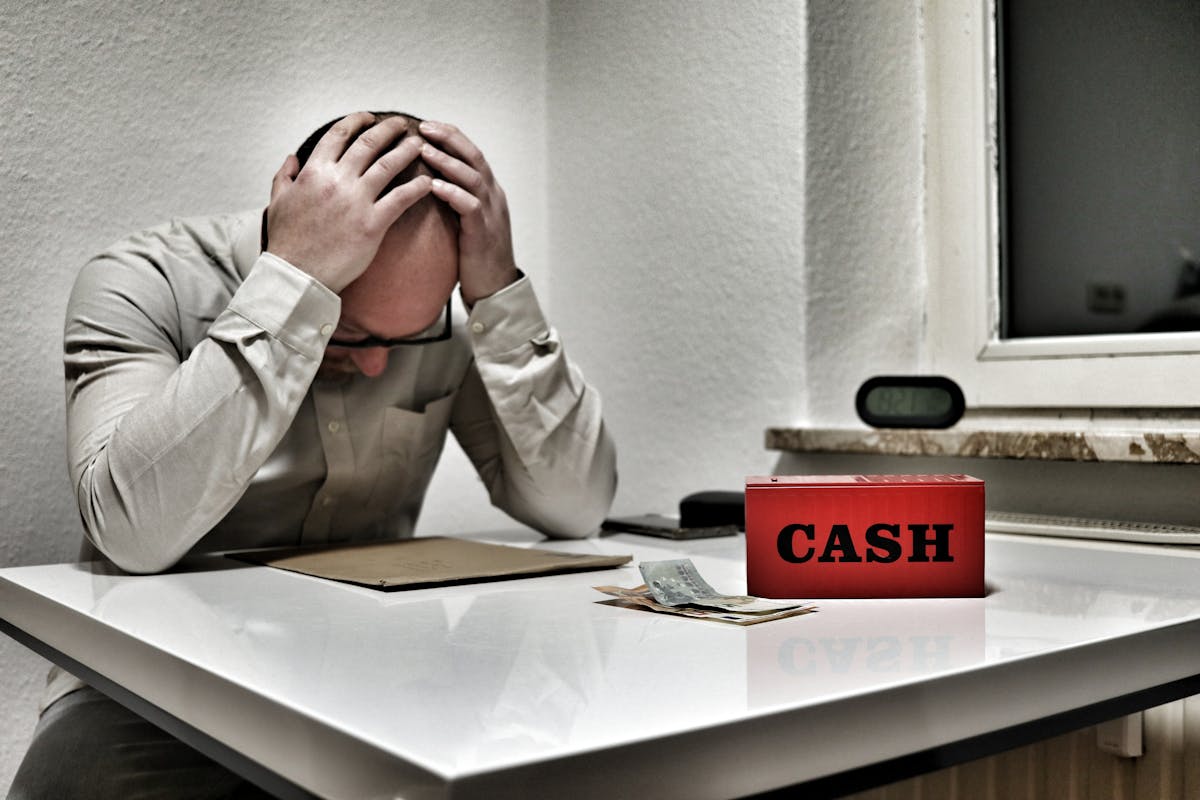
Mental stress doesn’t just stay in your head; it also affects your body. Chronic exposure to stressful news can lead to tension in your muscles, headaches, and even stomach issues. You might notice yourself clenching your jaw, fidgeting, or feeling an unshakable sense of fatigue, even though you’re not physically active.
You Start to Isolate Yourself
When the world feels like it’s falling apart, it can be tempting to retreat into yourself. You may start avoiding social interactions or conversations about the news because you feel emotionally drained. This isolation can make you feel more disconnected and less able to find joy in relationships or simple activities.
Hope Starts to Fade Away

Perhaps the most insidious effect of constant war news is the slow erosion of hope. When every update feels like a fresh disaster, it’s easy to lose your sense of optimism about the future. Over time, this can lead to a deep sense of helplessness or resignation. Your ability to imagine a better tomorrow shrinks as the news cycle continues to emphasize uncertainty and fear.
How to Protect Yourself from War News Overload
You don’t have to stop following the news, but it’s crucial to set boundaries for your mental health. Here’s how you can stay informed without letting the war news control your emotions.
Limit Your News Consumption
Start by creating a healthier news routine. Pick a specific time each day to check the news and avoid checking updates constantly. Try to limit yourself to reading summaries or headlines instead of getting lost in endless comment sections or video clips.
Avoid News Before Bed
The time right before bed should be used for winding down, not feeding your mind more tension. Turn off your phone or avoid checking news updates at least an hour before you sleep. This will help you protect your mental health and improve the quality of your rest.
Take Action to Feel Empowered
One of the most empowering ways to deal with war news is to take real action. Donating to credible charities, raising awareness, or simply reaching out to those affected can give you a sense of control. When you feel like you’re making a difference, it’s easier to cope with the overwhelming nature of global events.
Make Time for Positive, Non-News Activities
Balance the negative news with activities that lift your mood. Spend time with family, go for a walk, or dive into a creative hobby. The key is to make sure your day isn’t dominated by distressing headlines. By filling your life with positive experiences, you can counteract the emotional drain of war news.
Conclusion
War news can feel overwhelming, but you don’t have to let it drain your mental and emotional energy. By setting boundaries, finding positive distractions, and taking action, you can stay informed without feeling consumed. Your well-being is just as important as staying updated, remember, it’s okay to take a step back and protect your peace.