44 Shrimp Dishes Were Tested in North Carolina, What They Found Was Surprising
A shrimp dinner may look simple on the plate, but genetic testing is revealing just how complicated the seafood supply chain can be.
Researchers with SEAD Consulting recently tested 44 shrimp dishes at restaurants along North Carolina’s Crystal Coast, using genetic testing to determine what species were actually being served. The investigation, reported by the News & Observer and WCTI 12, turns an ordinary restaurant order into something much more interesting: a question of whether the shrimp on your plate is really what the menu says it is.
The Test Started With Restaurant Plates
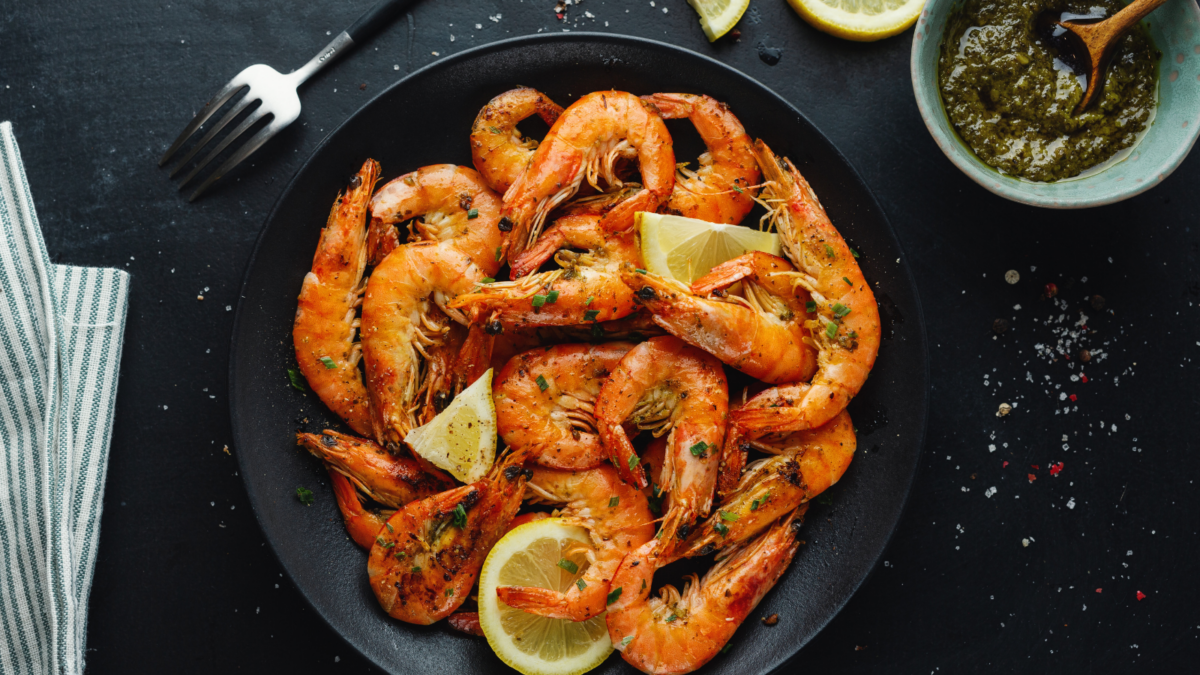
Instead of asking restaurants where their shrimp came from, researchers went straight to the food itself.
SEAD Consulting collected shrimp dishes from eateries around the Crystal Coast and subjected samples to genetic analysis. DNA testing can distinguish between closely related species, making it possible to identify shrimp in ways that simply looking at a cooked piece of seafood cannot.
That matters because once shrimp has been peeled, cooked, seasoned, and covered in sauce, there is very little for a diner to inspect visually. A plate can look completely legitimate while the story behind the shrimp may be considerably more complicated.
Why Shrimp Identification Is So Difficult
Once shrimp reaches the kitchen, its true identity can become surprisingly difficult for an ordinary customer to establish.
Numerous shrimp species are sold commercially, and menus may describe seafood using broad terms such as “shrimp” without giving diners much information about species or origin. Cooking also removes many of the physical characteristics that might otherwise help identify an animal.
That is why genetic testing is so useful here. Researchers read biological information that remains hidden after the shrimp moves from ocean or farm to restaurant plate.
Related: New York Just Got a Seafood Bar With Shrimp in Almost Every Form You Can Imagine
Wild-Caught Doesn’t Always Mean What You Think
The biggest surprise isn’t necessarily that restaurants serve shrimp from different sources—it’s how hard those claims are to verify without testing.
Wild-caught and farmed shrimp come from very different production systems, and consumers often have preferences about sustainability, environmental impact, taste, or farming practices. But you can’t reliably determine those distinctions just by looking at cooked shrimp.
The Crystal Coast testing project puts that problem into a very tangible setting. Instead of discussing seafood labeling as an abstract issue, researchers actually examined what customers were being served at local restaurants.
For diners trying to make better everyday food choices, knowing what is behind the food on the plate can be just as important as knowing how it was prepared.
The Crystal Coast Makes This Especially Interesting
Testing shrimp in a coastal community adds another layer to the story because seafood is part of the region’s identity.
North Carolina’s coast has a strong connection to commercial fishing, seafood restaurants, and local culinary traditions. Visitors can order shrimp in countless forms, from fried baskets and shrimp burgers to tacos, pasta, and classic seafood platters.
That means the question of what is actually being served isn’t just about one ingredient. It touches restaurants, fishermen, distributors, consumers, and the reputation of coastal seafood itself.
The North Carolina Sea Grant seafood resources provide additional context on the state’s coastal fisheries and seafood industry.
What Genetic Testing Can Reveal
DNA testing can uncover information that a menu, photograph, or even an experienced diner simply cannot.
Researchers can compare genetic material from a seafood sample against known species to determine what animal is actually present. That makes the technique particularly valuable when seafood has been processed or cooked to the point where physical identification becomes difficult.
The approach is not limited to shrimp. Similar genetic techniques are increasingly useful for investigating seafood identity, species substitution, and the complicated journey food takes before reaching consumers.
The FDA’s seafood guidance also shows why accurate identification and labeling matter in the broader seafood industry.
What Should Diners Take From It?
The lesson isn’t that you should suddenly stop ordering shrimp—it is that seafood has a story long before it reaches your fork.
The Crystal Coast project demonstrates how modern testing can investigate that story in a way that was once impossible for consumers. A shrimp dish may cost a few dollars and take only minutes to eat, but behind it can be a chain involving fishermen, farms, processors, importers, distributors and restaurants.
And that makes the 44 tested dishes particularly fascinating. What looks like an ordinary shrimp dinner can contain a surprisingly complicated question about identity, sourcing and trust.
For anyone who loves seafood, that is the most interesting takeaway of all: sometimes the most important ingredient on your plate is the information you were never given.
If a restaurant offered you a DNA-tested shrimp dish showing exactly what species you were eating, would that make you more confident ordering it?