8 Ways You’re Accidentally Ruining Your Watermelon Before Leaving the Grocery Store
Watermelon looks like the easiest fruit in the produce section until we are standing over a bin, tapping three melons like we suddenly work in quality control.
One looks glossy, one has a giant yellow patch, one feels like a medicine ball, and the shopper beside us seems far too confident. That is where bad watermelon choices begin, because the prettiest melon is rarely the sweetest one.
We need a better way to buy watermelon than guessing, thumping, and hoping summer will do the rest. A good watermelon should feel heavy, look mature, smell clean, and show signs that it ripened long enough before it reached the store. Once we know what to check, the grocery cart becomes a lot less risky.
Ignoring the Yellow Field Spot Is the Biggest Watermelon Mistake
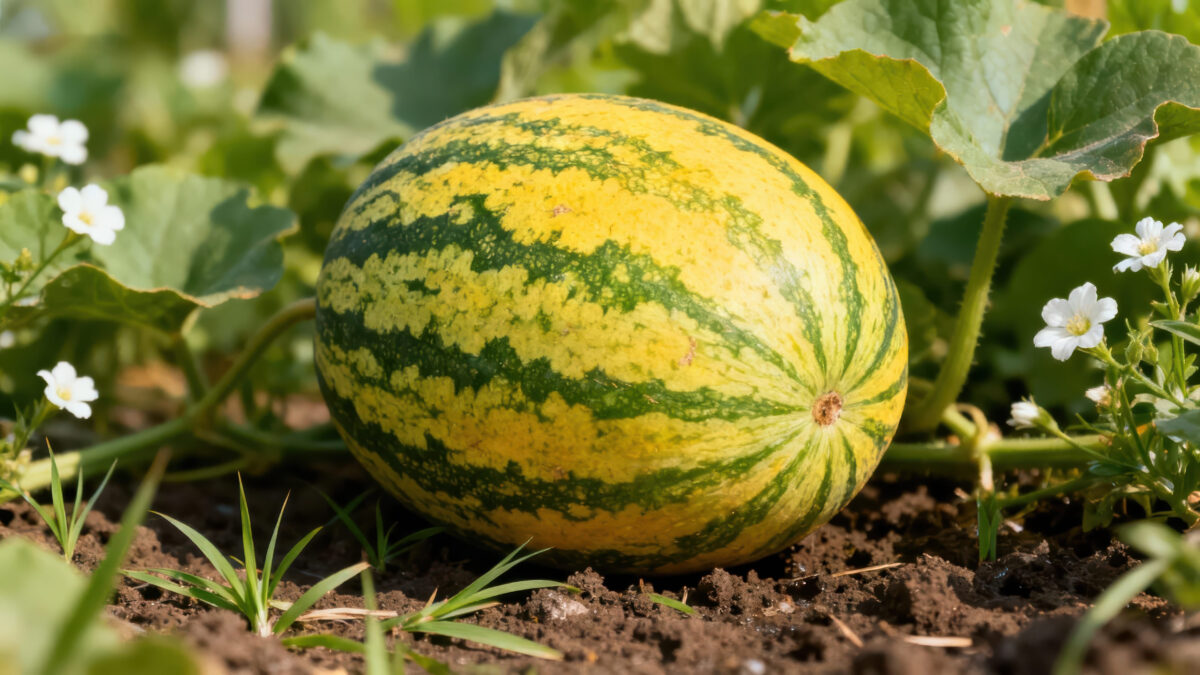
The field spot is the pale patch where the watermelon rested on the ground as it grew. A rich yellow or creamy golden field spot tells us the melon had time to mature before harvest.
A white, pale green, or barely visible spot often means the watermelon was picked too early, and early-picked watermelon rarely develops the deep sweetness shoppers want after it leaves the vine.
This small patch matters because watermelon does not behave like bananas or peaches once we bring it home. It will not magically become sweeter on the kitchen counter. The sugar level is mostly set at harvest, so we need signs of vine maturity before we buy.
When two melons look similar, the one with the deeper yellow ground spot usually deserves the cart space.
A Shiny Watermelon Can Be a Warning Sign
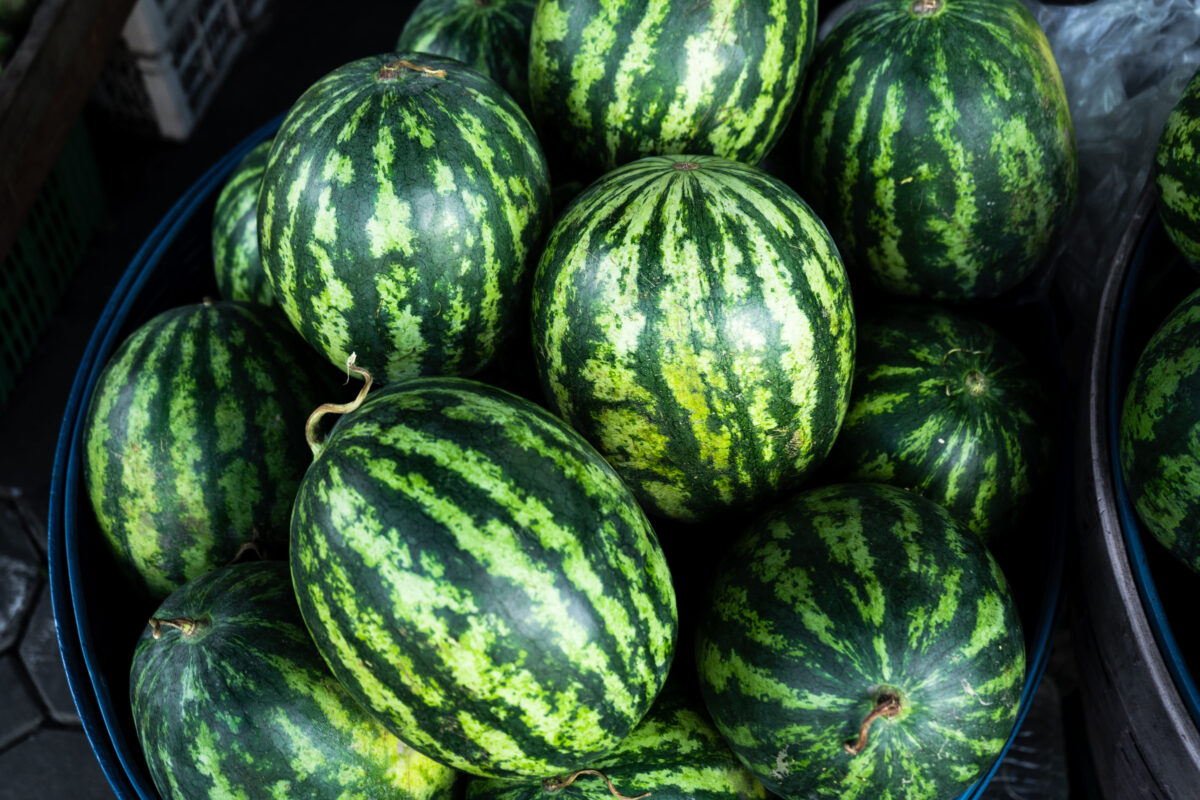
A shiny rind may look fresh, clean, and attractive, but shine is not always our friend. A mature watermelon usually has a duller, more matte surface. That softer-looking exterior often signals that the melon has had time to finish ripening.
A bright, glossy rind can suggest the fruit was picked too soon, especially when it also has a pale field spot and feels light for its size.
We should not judge a watermelon like we judge apples. Glossy apples can look crisp and appealing, but watermelon plays by different rules. The best melon in the bin may look a little plain, heavy, and sun-worn.
If the rind looks mature, the field spot is golden, and the melon feels dense, we are usually closer to the sweet one than the shiny showpiece.
Weight Matters More Than Size When Choosing Watermelon
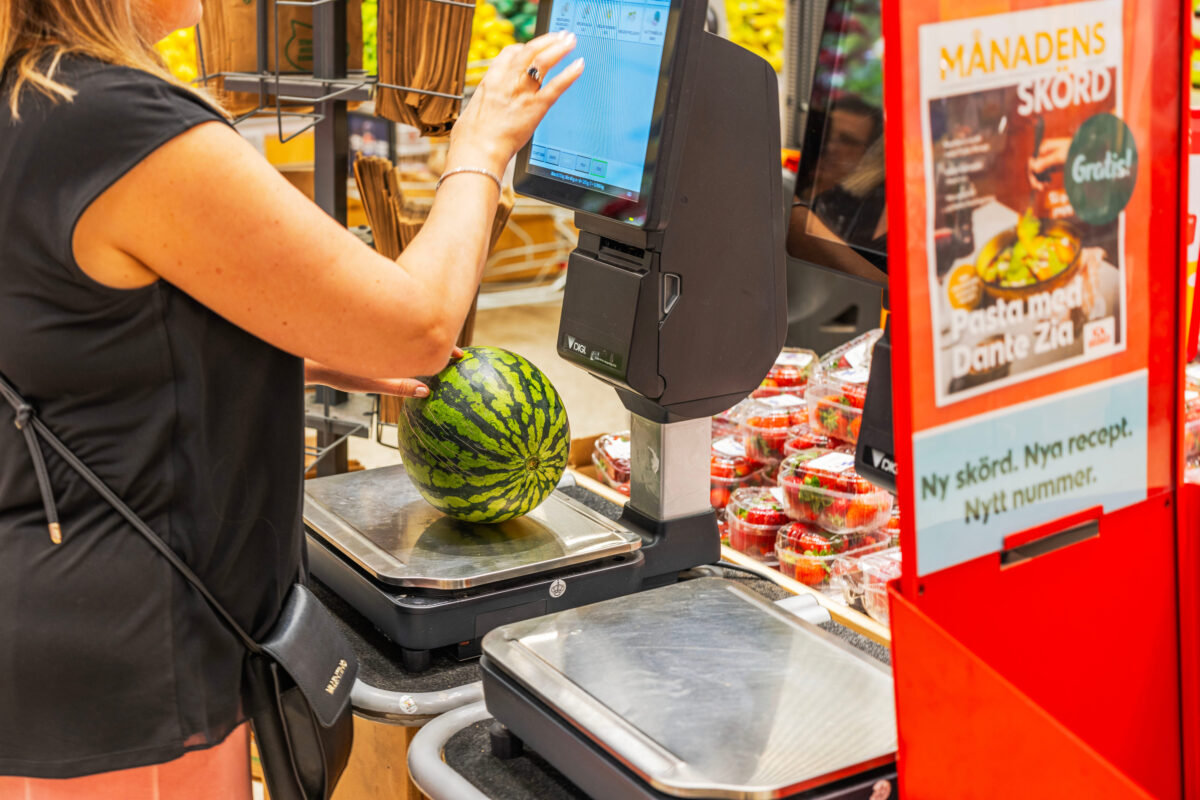
A large watermelon is not automatically better, and a small one is not automatically weak. The better test is weight-for-size. When we lift two melons of similar shape and size, the heavier one usually has more juice inside.
Since watermelon is famous for its high water content, density is one of the easiest clues we can use in the store.
This is where personal watermelons can be tricky. Mini watermelons are convenient, especially for small households, apartment fridges, or anyone tired of throwing away half a giant melon.
Still, they often cost more per pound than full-size seedless watermelons. We should buy them for convenience, not because they are always the better deal. If we can finish a larger melon, the full-size option often offers better value.
Seedless Watermelon Is Convenient, But Seeded Still Has Fans
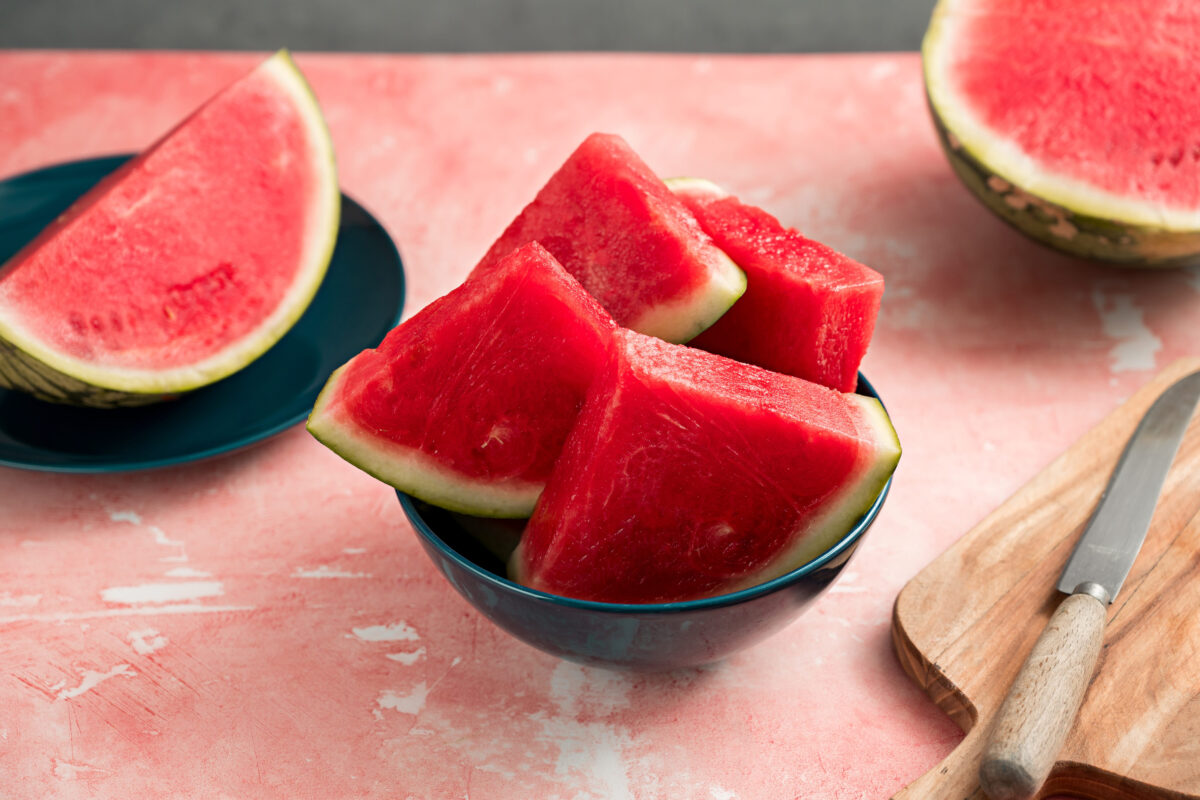
Seedless watermelon dominates modern grocery bins because shoppers love easy slices, cleaner fruit salads, and fewer black seeds on the plate.
For families, parties, and quick snacking, seedless watermelon is usually the most practical choice. It is widely available, consistent, and simple to serve without turning every bite into a seed-spitting contest.
Seeded watermelon still has a loyal following, especially among shoppers who believe it carries a fuller, old-fashioned flavor. The catch is availability.
Seeded watermelons often appear during peak season and may be more common at farmers’ markets, produce stands, or stores that carry local summer crops.
We should check the sticker or bin label rather than relying on shape alone, because elongated melons are not always seeded, and round melons are not always seedless.
Yellow and Orange Watermelons Are Worth Trying
Red watermelon is the classic, but yellow and orange varieties can surprise shoppers who expect every melon to taste the same.
These watermelons often look normal on the outside, so the inside color may not be obvious unless the label clearly indicates it.
Their flavor can be sweeter, softer, and milder than that of standard red watermelon, though the final taste depends on the variety and growing conditions.
These colorful melons are especially useful when we want a fruit tray, summer salad, or cooler recipe to feel less predictable.
Yellow watermelon with mint, lime, and feta can look more expensive than it is. Orange watermelon can make a simple fruit bowl feel like something from a specialty market.
The main rule is simple: do not judge the rind alone, because the outside may hide a completely different fruit inside.
Black Diamond Watermelon Deserves More Attention
Black Diamond watermelon stands out for its dark green, almost black rind. Instead of the usual striped pattern, it often has a solid, dramatic exterior that looks heavier and more old-school than common grocery varieties.
Inside, it is usually red and juicy, known for its rich sweetness, making it a favorite among shoppers who like classic summer watermelon.
This variety is more likely to appear during local watermelon season, especially at farmers’ markets, roadside stands, or grocery stores that support nearby farms. We should watch for it in summer rather than expecting it year-round.
If we see Black Diamond watermelons in a local display, it is worth checking the field spot, weight, and rind condition just like any other melon. The variety is exciting, but ripeness still decides the final bite.
Pre-Cut Watermelon Needs More Caution Than Whole Melon

Pre-cut watermelon is convenient, but convenience comes with rules. Once watermelon is sliced, its juicy flesh is exposed, and that changes the safety equation.
We should buy pre-cut watermelon only when it is properly refrigerated or displayed in a cold case. A container sitting warm on a table, cart, or unrefrigerated display is not worth the risk, no matter how red and sweet it looks.
The whole watermelon has a protective rind, but that rind still needs respect. We should avoid melons with cracks, punctures, mold, sour smells, leaking liquid, or soft sunken spots.
At home, washing the rind before cutting helps keep surface dirt from moving into the fruit when the knife goes through. After cutting, the slices belong in the refrigerator, not on the counter for the rest of the afternoon.
The Thump Test Should Be a Tie-Breaker, Not the Whole Strategy

The thump test is famous for feeling satisfying. We tap the melon, listen for a hollow sound, and hope we have unlocked some ancient produce wisdom.
A ripe watermelon can sound deep and hollow, while an underripe one may sound sharper or flatter. The test can help, but it should not be the only thing we trust.
Sound is subjective, and grocery stores are noisy. One shopper’s “hollow” is another shopper’s “maybe.” We should use the thump test after checking stronger signs first: yellow field spot, heavy feel, dull rind, clean surface, and no damage.
If two melons pass every visual test, then the one with the deeper, fuller sound can win the final round.
Watermelon Storage Can Make or Break the Fruit After Purchase
A whole watermelon can sit at room temperature for a short time, but heat is not kind to quality. If we plan to eat it soon, keeping it in a cool spot in the kitchen works.
If the house is hot or we need more time, refrigeration can help, though very cold storage for too long may reduce quality. The smartest move is to buy close to the day we plan to cut it.
Once cut, watermelon should go into a clean container and into the refrigerator. Large wedges should be covered tightly, and cubes should be sealed to prevent them from absorbing fridge odors.
We should also keep whole watermelons away from fruits that emit ethylene, such as bananas, apples, tomatoes, and cantaloupes, because ethylene can shorten shelf life. Good buying gets the melon home; good storage keeps it worth eating.
The Best Watermelon in the Cart Is the One That Passes Several Tests
Great watermelon buying is not about one magic trick. We get the best results when we combine season, field spot, weight, rind appearance, safety checks, and storage plans. A deep yellow spot tells us the fruit had time on the ground.
A heavy feel tells us it is full of juice. A dull rind tells us it looks mature. A clean surface tells us it is safer to bring home and cut.
We should also buy according to how we actually eat. A mini watermelon makes sense when waste is the bigger problem. A large seedless melon makes sense for families, parties, and weekend slicing.
A seeded, yellow, orange, or Black Diamond watermelon makes sense when we want flavor, variety, or a more seasonal find. The best watermelon is not always the biggest one in the bin. It is the one that gives us sweetness, safety, value, and no regret when the knife finally cracks it open.