12 Vegetables High in Iron We Should Eat More Often
Iron does quiet work inside the body, but we feel its absence loudly. When iron intake drops too low, everyday life can start to feel heavier, from tired muscles to weak focus and that dragging feeling that no cup of coffee can fully fix.
That is why vegetables high in iron deserve more attention than they usually get, especially for people who eat mostly plant-based meals, avoid red meat, or want to build a more nutrient-dense plate.
We should also be honest about plant-based iron. Vegetables contain nonheme iron, which the body absorbs differently from the iron found in meat, poultry, and seafood.
That does not make vegetables weak sources of iron, but it does mean we need to pair them wisely with vitamin C-rich foods, cook them properly, and build meals that help the body use more of what we eat.
Why Iron From Vegetables Matters
Iron helps the body make haemoglobin, the protein in red blood cells that carries oxygen from the lungs to the rest of the body. It also supports muscle function, growth, brain health, hormone production, and the daily energy systems that keep us alert and steady.
When we talk about vegetables high in iron, we are really talking about foods that help support oxygen flow, stamina, and a more balanced diet.
The adult Daily Value for iron is 18 milligrams, but personal needs can differ by age, sex, pregnancy, menstruation, medical history, and eating pattern.
Men and many adults over 50 often need less iron than menstruating women, pregnant people, and some plant-based eaters. We should use vegetables as part of a broader iron strategy, not as a one-food miracle.
Spinach Gives the Biggest Iron Punch
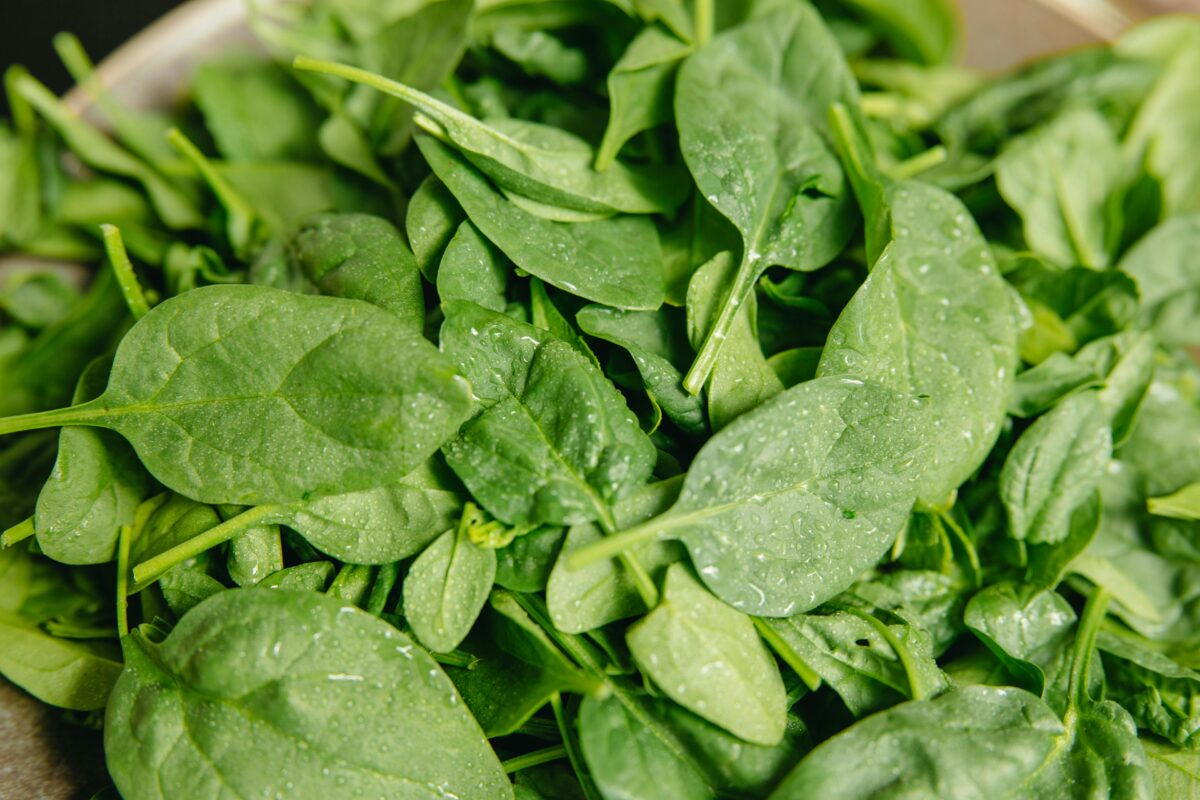
Spinach remains the headline vegetable for iron because cooked spinach delivers one of the strongest iron numbers in the produce aisle.
A cup of cooked spinach can provide about 6.4 milligrams of iron, making it a solid option for people trying to increase their iron intake through everyday meals. The catch is that spinach also contains oxalates, natural compounds that can reduce how much iron the body absorbs.
We can still make spinach work harder by pairing it with vitamin C. Lemon juice, tomatoes, bell peppers, strawberries, oranges, or a small citrus dressing can make a spinach meal more useful for iron absorption.
Cooked spinach also shrinks dramatically, so we can eat more of it in a realistic serving compared with a giant bowl of raw leaves.
Swiss Chard Is the Underrated Iron Green
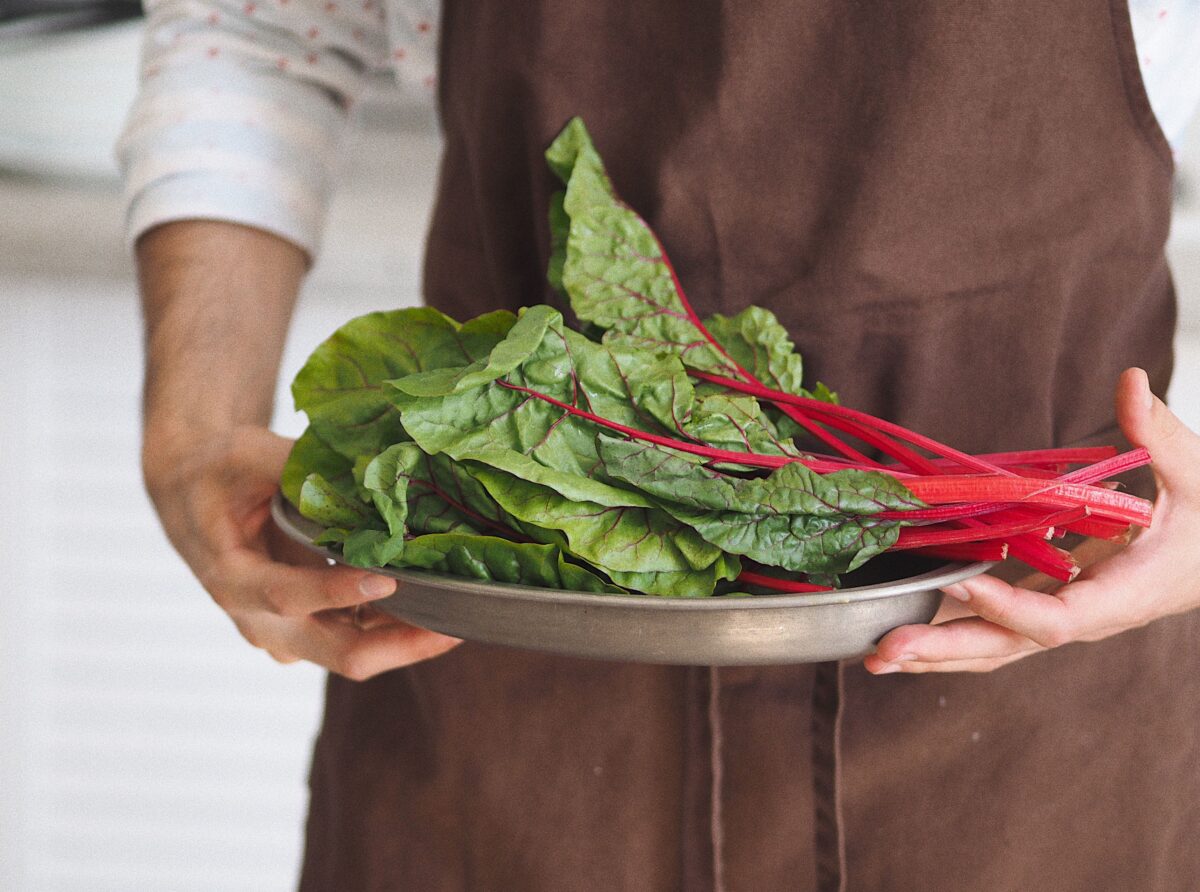
Swiss chard deserves a much bigger place in iron-focused cooking. One cup of cooked Swiss chard provides about 4 milligrams of iron, along with magnesium, potassium, vitamin K, and a bold flavour that sits somewhere between spinach and beet greens.
It brings colour, minerals, and texture to meals without needing heavy sauces or complicated recipes.
We can sauté Swiss chard with garlic, onions, chilli flakes, and lemon for a simple side dish that feels rich without being heavy. It also works beautifully in omelettes, grain bowls, soups, stews, pasta, and warm salads.
To improve iron absorption, we should add a vitamin C source and avoid washing it down with tea or coffee right away, since those drinks can interfere with nonheme iron absorption.
Potatoes With Skin Are More Useful Than People Think
Potatoes often get dismissed as plain starch, but a large baked russet potato with the skin can provide about 3.2 milligrams of iron. The skin matters because it carries a meaningful share of the potato’s minerals and fibre.
When we throw the skin away, we lose some of the nutrition that makes potatoes more than just comfort food.
We can turn a baked potato into an iron-supporting meal by topping it with sautéed spinach, black beans, tomato salsa, roasted peppers, or broccoli with lemon.
This creates a plate with iron, fibre, vitamin C, and lasting fullness. The goal is not to drown potatoes in butter and cheese, but to use them as a filling base for vegetables and legumes that make the whole meal stronger.
Beet Greens Are Too Valuable to Toss
Beet greens are one of the most wasted iron-rich vegetables because many people buy beets and throw the leafy tops away.
That is a mistake. A cup of cooked beet greens can provide around 2.7 milligrams of iron, along with potassium, vitamin A, vitamin K, and a deep, earthy flavour that becomes softer when cooked.
We can treat beet greens like spinach or Swiss chard. They cook quickly with olive oil, garlic, onion, and a splash of vinegar or lemon juice.
Their slightly bitter edge pairs well with roasted vegetables, beans, eggs, fish, or whole grains, making them one of the easiest ways to stretch the nutritional value of a grocery haul.
Green Peas Bring Iron, Protein, and Fibre Together
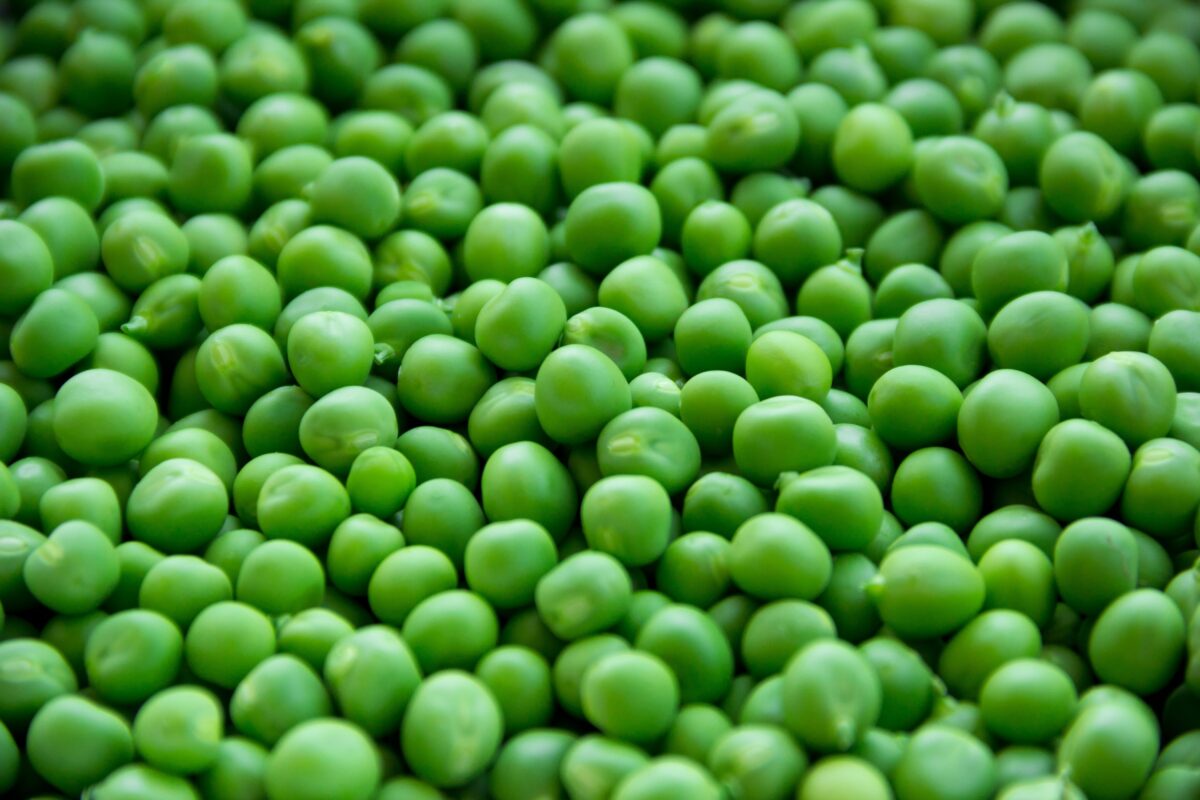
Green peas may look gentle, but they are more powerful than their size suggests. A cup of cooked green peas provides about 2.5 milligrams of iron, plus plant-based protein and a strong amount of fibre.
That combination makes peas especially helpful because they support fullness and meal balance in a way many watery vegetables cannot.
We can add peas to rice, pasta, vegetable soup, mashed potatoes, curry, stir-fries, and salads. They also blend well into pea pesto with lemon, garlic, herbs, and olive oil.
For people who struggle to eat leafy greens daily, peas offer a softer, sweeter, easier iron source that fits into family meals without much argument.
Collard Greens Offer Iron With Southern Strength
Collard greens bring a hearty texture and a deep, earthy flavour that can carry a meal. One cup of cooked collards provides about 2.1 milligrams of iron, along with calcium, fibre, and vitamin K.
They are especially useful because they hold up well during long cooking, making them ideal for stews, braises, and meal prep.
We should avoid cooking collards only in heavy, salty, fatty broths if the goal is daily nutrition. They can taste rich with smoked paprika, garlic, onion, vinegar, lemon, tomatoes, or a small amount of smoked seasoning.
A bowl of collards with beans and brown rice can become a strong iron-supporting meal without needing meat at the centre.
Brussels Sprouts Add Iron and Vitamin C in One Bite
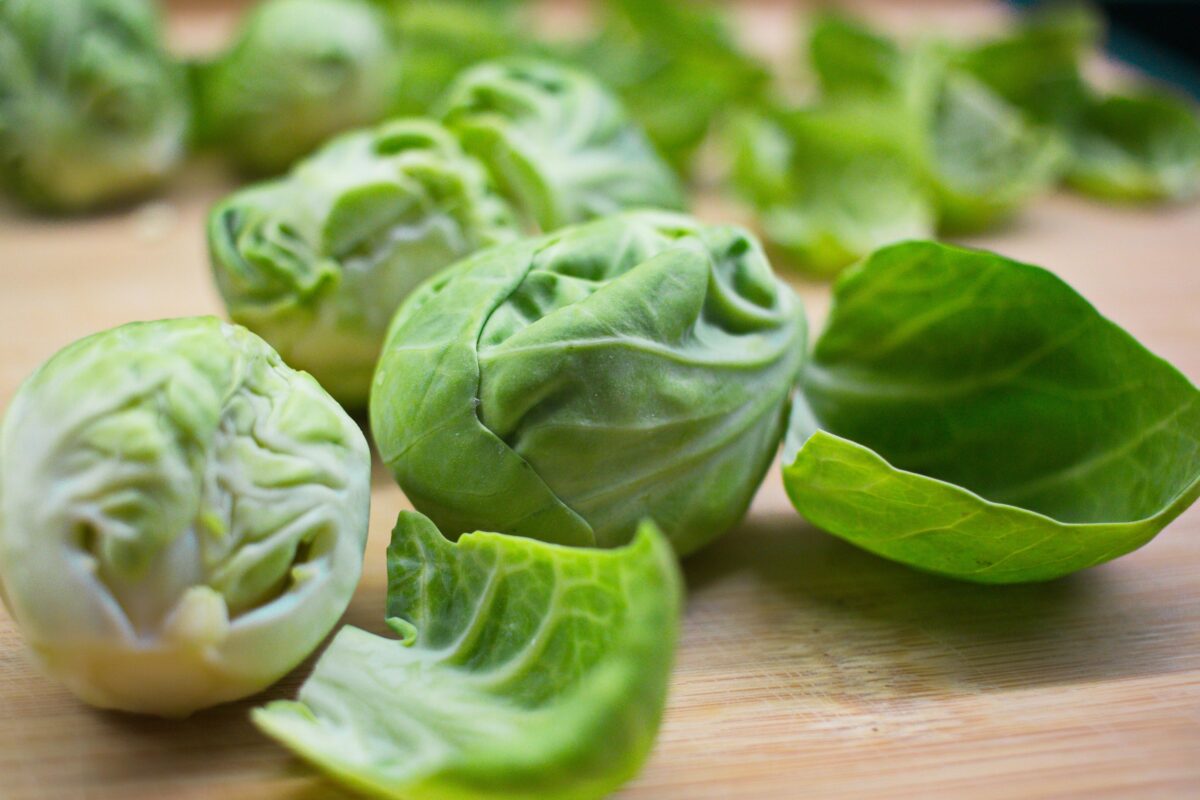
Brussels sprouts are not the highest-iron vegetable, but they offer a smart advantage. A cooked cup provides about 1.9 milligrams of iron and a generous amount of vitamin C, which helps with the absorption of plant-based iron.
That makes Brussels sprouts useful because they bring both the mineral and the absorption helper into the same meal.
We can roast Brussels sprouts until the edges brown, then finish them with lemon, orange zest, balsamic vinegar, or a tomato-based glaze.
Their natural bitterness becomes sweeter when roasted, especially when paired with garlic or onions. They also work well with lentils, quinoa, potatoes, and leafy greens for a more complete iron-focused plate.
Artichokes Add Iron, Fibre, and Meal Texture
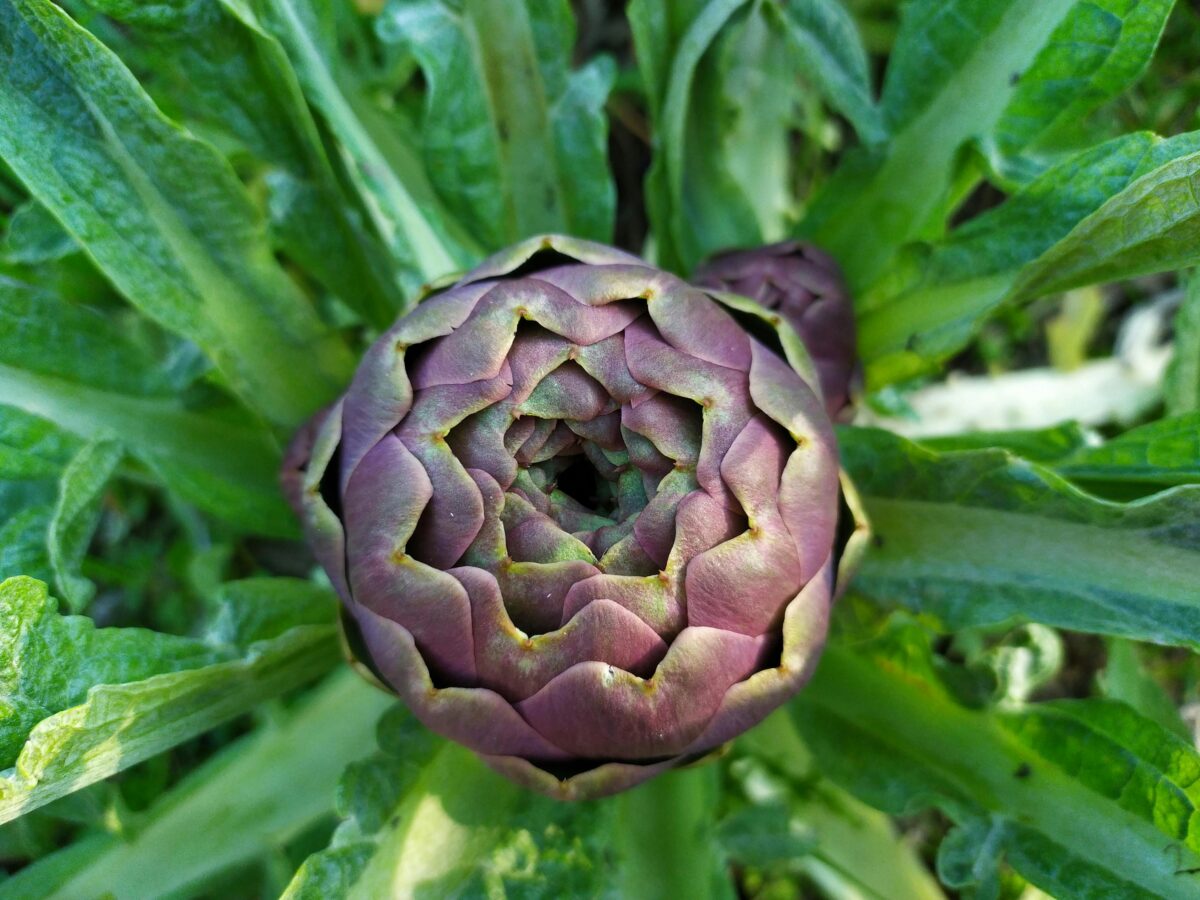
Artichokes are not always the first vegetable people think of for iron, but they bring enough to matter. A medium artichoke provides roughly 1 milligram of iron and delivers fibre and a satisfying texture that makes meals feel more complete.
Artichokes work especially well for people who want iron-supporting foods beyond leafy greens.
We can add artichokes to salads, pasta, roasted vegetable trays, grain bowls, omelettes, and Mediterranean-style plates with beans, lemon, herbs, and tomatoes.
Their slightly nutty flavour pairs well with vitamin C-rich ingredients like lemon and peppers. They may not dominate the iron chart, but they help build a more varied, enjoyable, and sustainable iron-rich diet.
How to Get More Iron From Vegetables
The smartest iron strategy is not just eating more iron-rich vegetables. We also need to help the body absorb more of the iron already on the plate.
Vitamin C is the easiest helper, so we should pair leafy greens, peas, potatoes, and sprouts with lemons, limes, oranges, strawberries, tomatoes, bell peppers, broccoli, or kiwis.
We should also pay attention to timing. Tea, coffee, and calcium-rich foods can reduce nonheme iron absorption when consumed immediately after an iron-rich meal.
That does not mean we must avoid them completely, but it helps to separate them from meals where iron is the main nutritional goal.
Best Meal Pairings for Iron-Rich Vegetables
A strong iron-focused plate should combine an iron-rich vegetable, a vitamin C source, and enough protein or fibre to make the meal filling.
Spinach with tomatoes and beans, potatoes with peas and salsa, collards with lemony chickpeas, and Swiss chard with peppers and brown rice all make sense. These meals work because they are practical, affordable, and easy to repeat.
We should also think in weekly patterns rather than a single perfect meal. A person who eats spinach once and forgets the rest of the week may get less benefit than someone who rotates greens, peas, potatoes, Brussels sprouts, and tomato-rich meals often.
Iron intake improves when good choices become routine, not when they appear once as a health project.
Simple Iron-Focused Meal Ideas
Spinach and tomato bean stew is one of the easiest meals to build. We can sauté onions and garlic, add tomato paste, stir in cooked beans, fold in spinach, and finish with lemon juice.
This gives us iron from spinach and beans, vitamin C from tomatoes and lemon, and enough fibre to keep the meal filling.
A baked potato bowl also works well. We can start with a large potato with the skin, then add peas, sautéed greens, tomato salsa, and a spoonful of plain yoghurt or tahini if desired.
The potato brings iron and potassium, the greens add minerals, and the tomato or pepper topping helps the body make better use of the nonheme iron.
Who Should Pay Closer Attention to Iron
People who menstruate, pregnant people, endurance athletes, frequent blood donors, vegetarians, vegans, and people with certain digestive conditions may need to pay closer attention to iron intake.
Children and teens also have periods of growth where iron matters more. Anyone with ongoing fatigue, dizziness, pale skin, shortness of breath, fast heartbeat, or unusual weakness should not try to self-diagnose through diet alone.
We should treat iron carefully because both too little and too much can cause problems. Iron supplements can be helpful when prescribed, but they are not something to take casually.
Food-first habits are a smart foundation, and medical testing is the right step when symptoms or risk factors point to a possible deficiency.
The Bottom Line on Vegetables High in Iron
Vegetables high in iron can do more than decorate a plate. Spinach, Swiss chard, potatoes with skin, beet greens, peas, collards, Brussels sprouts, asparagus, mustard spinach, kale, tomato paste, and artichokes all help build meals that support energy, oxygen transport, and better daily nutrition.
The strongest results come when we combine them with vitamin C and eat them consistently.
We do not need a perfect diet to improve iron intake. We need smarter combinations, better cooking habits, and a weekly rhythm that makes iron-rich vegetables easy to eat. When we stop treating greens and vegetables as side characters, they become one of the most practical ways to build a stronger, more nourishing plate.