7 Purchases People Start Caring About Only After They’ve Had a Bad One
Some purchases barely get a second thought until they let you down. You grab a cheap umbrella, pick the softest towels, or buy whatever charging cable happens to be near the checkout. How different could they possibly be?
Then the umbrella flips inside out, the towels refuse to dry, and your new cable won’t connect to the monitor sitting right in front of you.
Suddenly, those boring little details on the packaging start looking pretty important.
The funny thing is, getting a better product doesn’t always mean spending more money. Sometimes, it’s simply knowing which features actually matter. Here are seven everyday purchases that can teach you that lesson the hard way.
Can Openers
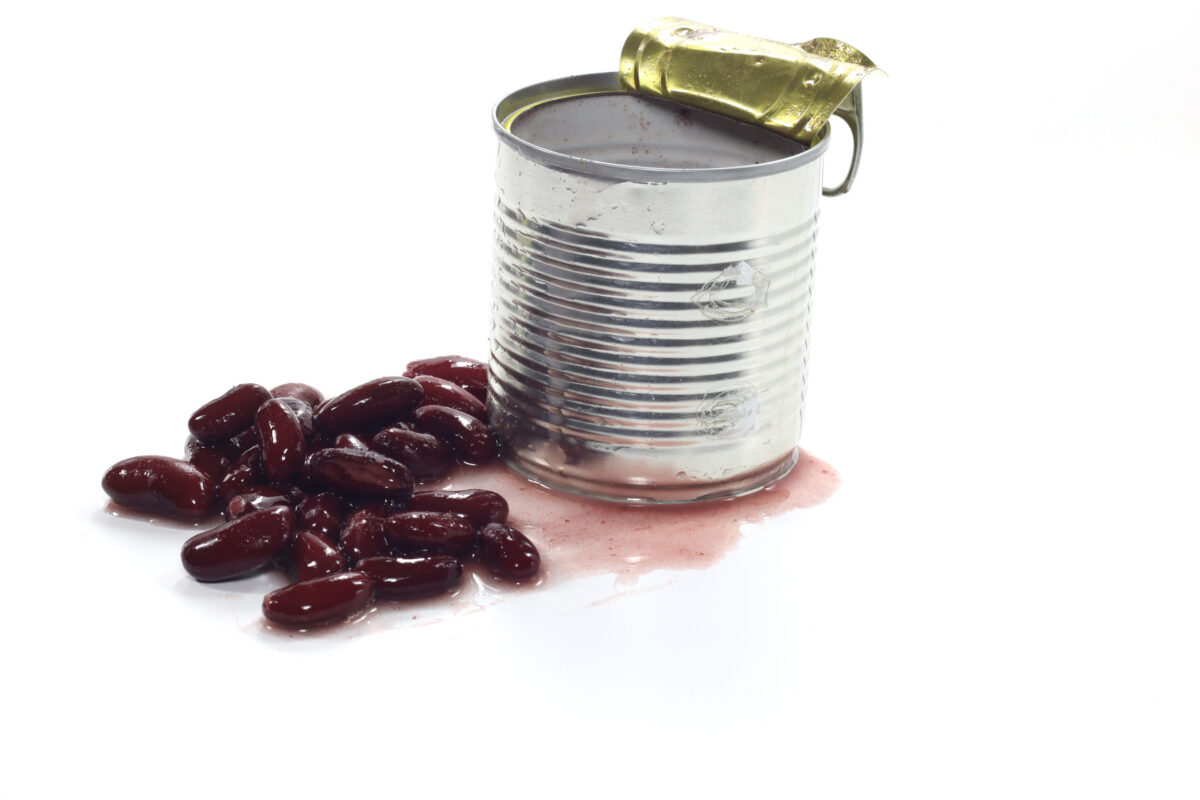
A can opener has one job. It shouldn’t take three attempts, a sore wrist, and a small argument with a can of beans to accomplish it.
Yet some openers slip off halfway through, struggle to grip the rim, or require an uncomfortable amount of twisting.
According to Serious Eats, which tested 11 can openers, performance differences can be surprisingly dramatic. One handheld electric model took 37 seconds to open a medium-sized can, while a manual Beneno opener finished in just 8.22 seconds.
That is quite a difference for something advertised as convenient.
When shopping, pay attention to the size of the turning knob, how securely the opener attaches, and whether the handles feel comfortable.
Also, consider the cutting mechanism. Traditional openers can leave sharp lid edges, while certain side-cut designs produce a smoother opening.
The lesson? A comfortable, dependable opener beats a fancy-looking gadget that makes dinner preparation harder.
Bath Towels
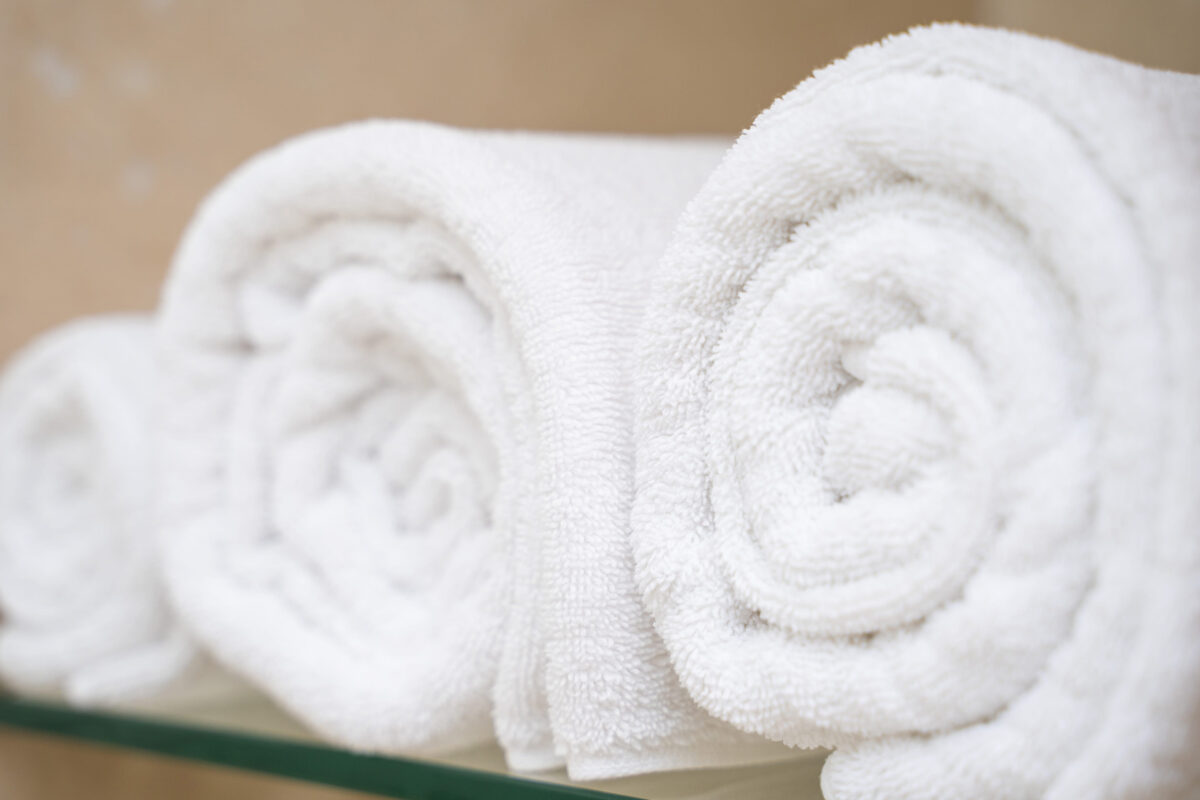
There’s something irresistible about a thick, fluffy towel in a store. You touch it once and immediately imagine turning your bathroom into a luxury hotel.
Then you take it home and discover that the towel spends half its life feeling damp.
Here’s what many shoppers don’t realize: softness, absorbency, and drying speed are three different things.
In Good Housekeeping’s towel testing, an especially plush Brooklinen towel absorbed water very well but took longer to dry. One tester noticed damp areas when the towel was folded or bunched.
A towel that feels luxurious isn’t automatically the most practical choice for every bathroom.
Before buying, consider fabric weight, absorbency, washing performance, and drying time. Heavier towels may offer that cozy, substantial feel, while quicker-drying alternatives can be more convenient for everyday use.
And don’t overlook dimensions. A standard bath towel and an oversized bath sheet can feel very different in daily use.
Sometimes the towel you appreciate most isn’t the thickest one. It’s the one that’s ready when you need it again.
Related: 8 Lavish Bathrooms That Scream Hollywood Luxury
USB-C Charging Cables
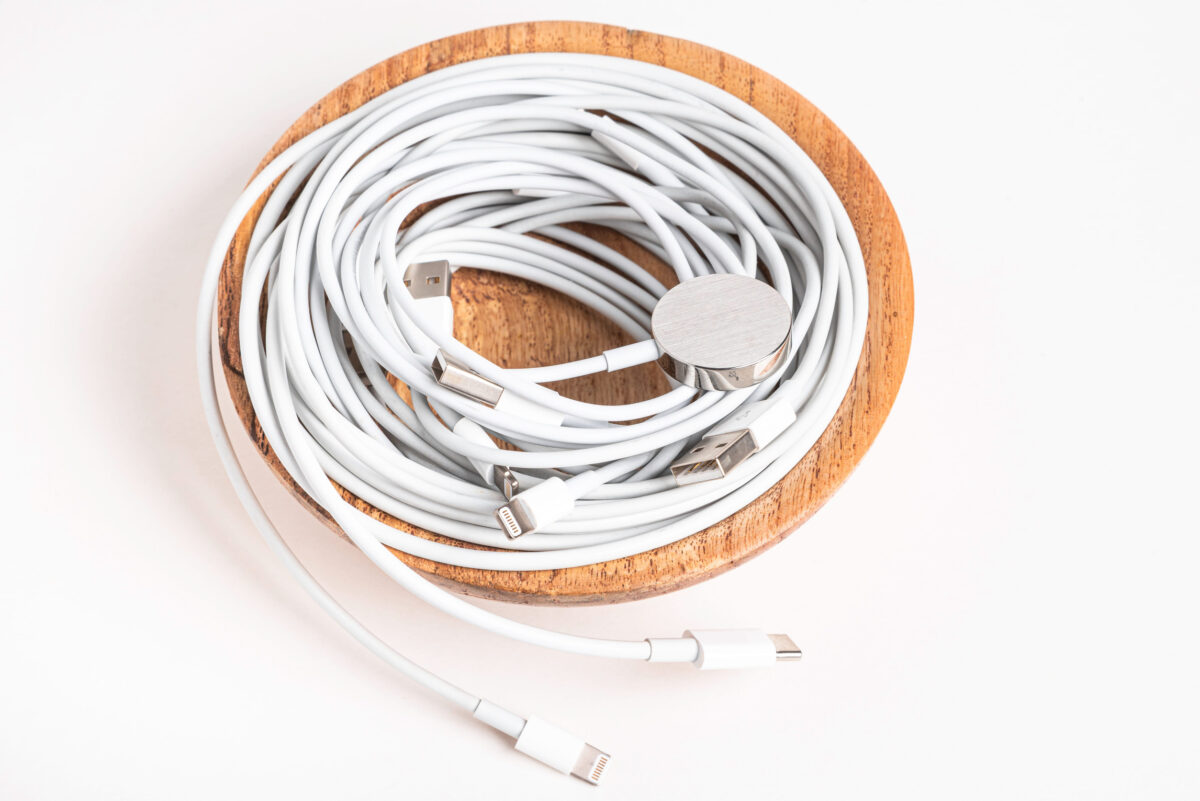
You find a charging cable in a drawer. It fits your laptop perfectly, so naturally, you assume it should do everything your other USB-C cable does.
Not necessarily.
USB-C cables are among those purchases where appearances can be particularly misleading.
The USB Implementers Forum explains that cables with identical-looking connectors can have different capabilities.
Some support high-power charging but relatively slow data transfers. Others handle fast data connections or video output for compatible monitors.
For example, TechGearLab found that a tested Apple 240W charging cable supported USB 2.0 data transfer but not video output.
Imagine buying a cable because it advertises powerful charging, then discovering it cannot handle the display connection you needed.
Before purchasing, check three things: charging power, data-transfer speed, and video compatibility.
You don’t necessarily need the most expensive cable. You need one designed for the actual job.
Umbrellas
An umbrella seems like an uncomplicated purchase until the wind catches it at exactly the wrong moment.
One second, you’re walking along relatively dry. The next, you’re holding what looks like a satellite dish pointed toward the sky.
That frustrating experience isn’t just about whether an umbrella flips inside out. What matters is whether it survives the experience.
Consumer Reports evaluates umbrellas for strength, durability, rain protection, drying time, and ease of use.
Meanwhile, testing by OutdoorGearLab shows that some umbrellas recover from inversion while others suffer structural damage.
That’s an important distinction.
When buying one, examine the ribs, opening mechanism, handle comfort, and canopy coverage. A compact umbrella is convenient to carry, but it still needs to provide enough protection.
And don’t assume the word “windproof” means the umbrella can never flip.
A good umbrella should be practical to carry and sturdy enough to handle the occasional unpleasant surprise.
Vacuum Cleaners
Few household purchases are more disappointing than a vacuum cleaner that requires you to go over the same crumbs repeatedly.
You bought it to make cleaning easier, not to turn vacuuming into a competitive sport.
One common shopping shortcut is focusing heavily on suction specifications. But higher suction figures don’t automatically translate into better debris pickup.
According to RTINGS, floorhead design, brushroll construction, and flooring type all influence cleaning performance.
Battery runtime can be another unwelcome surprise.
In its testing, RTINGS recorded approximately 75 minutes of low-power runtime for the Dyson V15 Detect, compared with just eight minutes at its highest power setting.
Those numbers are specific to that model, but they illustrate why advertised maximum runtime doesn’t tell the whole story.
Before buying, look for cleaning tests on flooring similar to yours. Consider how easily the machine moves around furniture, how heavy it feels, and how convenient the dustbin is to empty.
A vacuum that performs well in your actual home is worth more than one with impressive specifications you rarely benefit from.
Bed Sheets
Thread count has a way of making ordinary bed sheets sound like luxury investments.
A package boasting 1,000 threads can seem automatically superior to one advertising 400.
But those numbers don’t tell the entire story.
In a Good Housekeeping comparison involving seven cotton sateen sheet sets, the 1,000-thread-count version performed best in strength testing.
However, the 400-thread-count set performed best for pilling resistance, while the 500-thread-count version won the blind softness test.
In other words, the highest number didn’t win every category.
Instead of judging sheets by thread count alone, consider the fabric, weave, laundering performance, and fitted-sheet dimensions.
Pay particular attention to whether the sheets are prone to shrinking or developing those annoying little fabric pills.
A comfortable bed doesn’t require chasing the biggest number printed on the packaging.
Related: 8 Common Bedroom Mistakes That Could Be Could Be Sabotaging Your Sleep
Luggage
A suitcase can look absolutely fantastic sitting empty on a showroom floor.
It’s sleek, stylish, and rolls effortlessly for approximately five feet.
Then you pack it, head to the airport, and discover the handle wobbles, the wheels resist turning, and the zipper has developed an attitude.
That’s why luggage deserves a little more inspection than its appearance might suggest.
Good Housekeeping tests suitcases by rolling packed bags across different surfaces, checking handles, and evaluating durability.
Its testing also found that an American Tourister model had a handle rated more highly than handles on some bags costing over four times as much, although the cheaper suitcase had other material trade-offs.
When shopping, extend the handle several times, examine the wheels, operate the zippers, and compare empty weights.
Also, read warranty terms carefully. A long warranty doesn’t necessarily cover every kind of damage.
The suitcase worth buying is the one that remains manageable when it’s packed, not merely the one that looks impressive before your trip.
Ultimately, the best shopping lessons often come from everyday annoyances. A little attention to practical details can save you from buying the same disappointing product twice.
Related: Best Travel Luggage Brands for 2026