8 Homemade Halloween Treats Neighbors Used to Hand Out
There was a time when Halloween treats didn’t always come in colorful wrappers with familiar brand names. Sometimes, the best surprise in your trick-or-treat bag came straight from a neighbor’s kitchen.
Imagine knocking on a door and receiving a homemade popcorn ball, a freshly baked cookie, or even a slice of cake wrapped in plastic. It sounds unusual today, but these were real Halloween experiences for some American children during the 1950s, 1960s, and early 1970s.
According to food historian Samira Kawash, homemade goodies were part of Halloween long before commercially packaged candy became the standard.
And while not every neighborhood followed the same traditions, these eight treats bring back a deliciously different side of Halloween.
Homemade Popcorn Balls
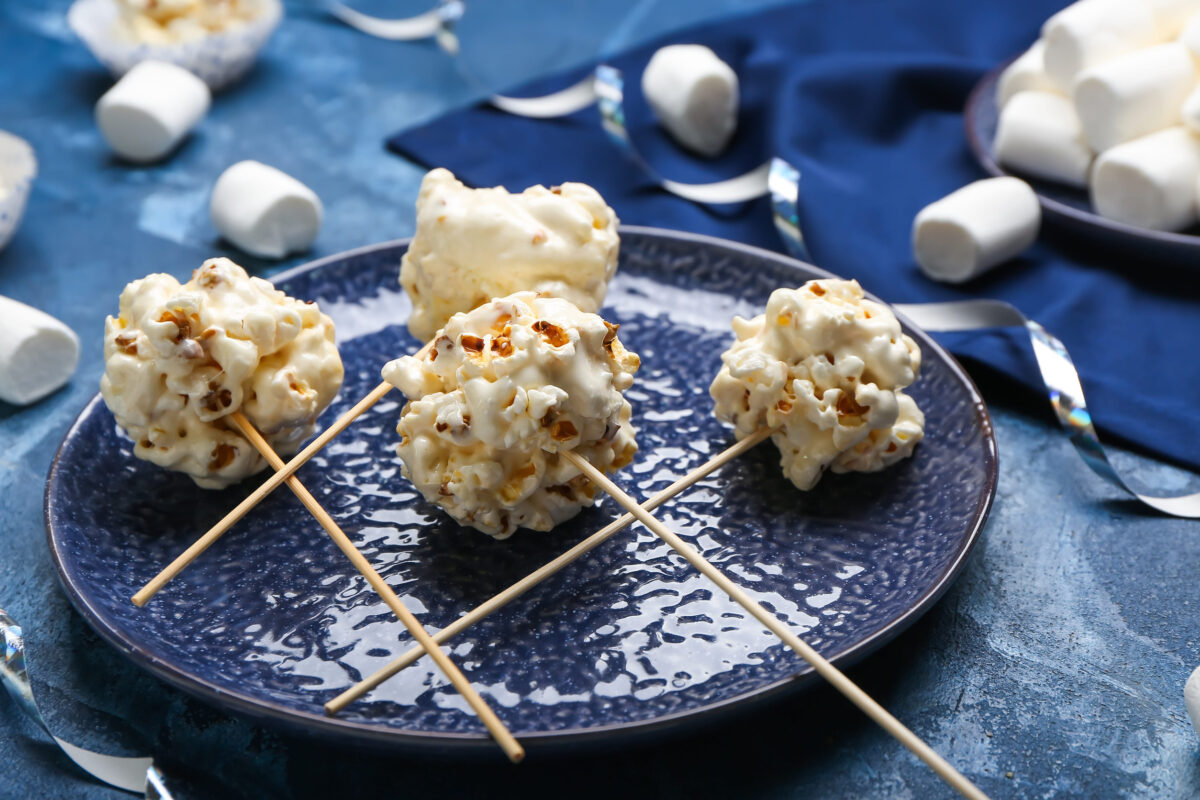
Before miniature chocolate bars became Halloween favorites, some neighbors handed out popcorn balls made in their own kitchens.
These treats combined freshly popped corn with cooked sugar syrup, creating a sticky mixture that could be shaped into generous, round portions.
They weren’t necessarily fancy, but they certainly stood out among ordinary candy.
In the 1960s, Joan E. Rowland remembered visiting two houses in the Greenfield area of New York that distributed homemade popcorn balls. Interestingly, she recalled liking one household’s version better than the other’s.
Similar memories come from St. Louis during the 1950s and central Montana in the early 1970s.
The appeal was simple. Instead of reaching into a bowl of identical candies, children received something a neighbor had prepared by hand.
Today, popcorn balls make a fun retro Halloween project, especially for anyone interested in recreating old-fashioned seasonal traditions.
Candy Apples
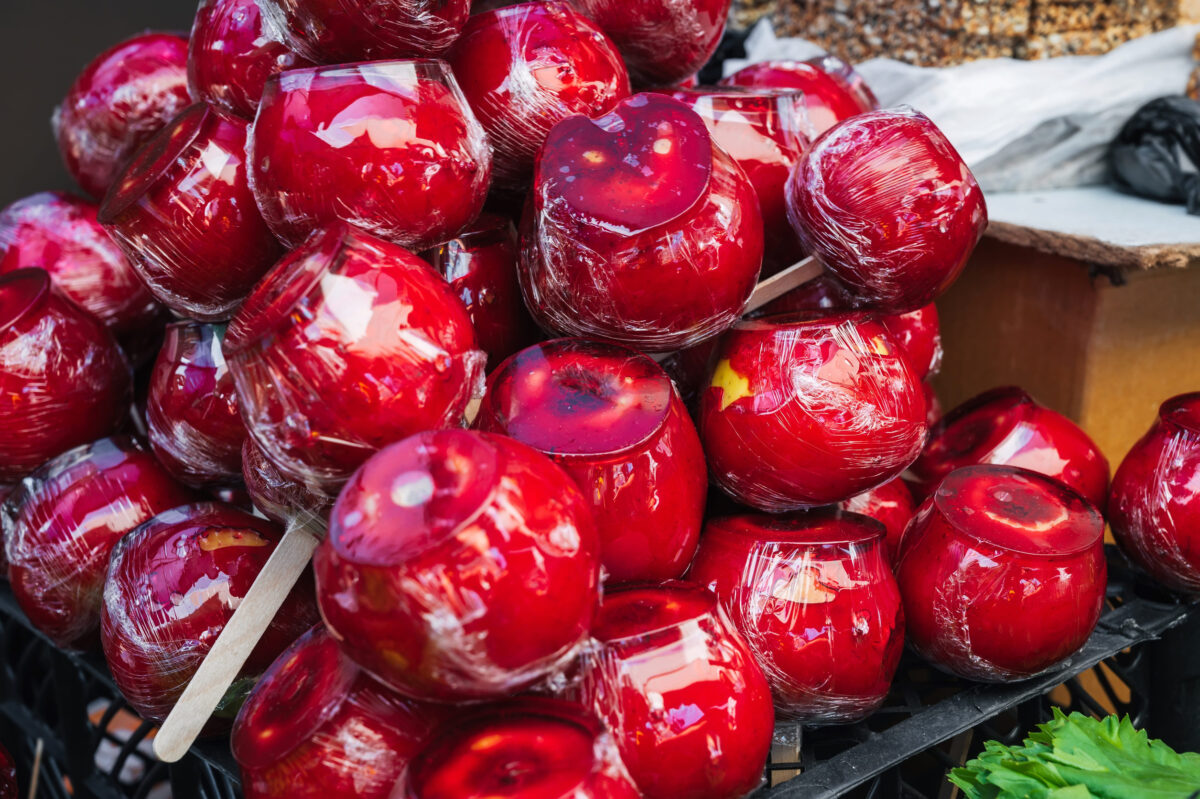
Imagine opening your Halloween bag and discovering an entire apple covered in a shiny candy shell.
That was a real surprise for some trick-or-treaters.
Unlike caramel apples, traditional candy apples featured a hard sugar coating, often associated with a bright red cinnamon-flavored glaze.
Newark confectioner William W. Kolb is commonly credited with creating the American red candy apple in 1908.
By the middle of the twentieth century, some households were preparing candy apples for Halloween visitors.
Rowland recalled receiving a homemade candy apple while trick-or-treating around Porter Corners, New York, during the 1960s. Similar treats appeared in childhood memories from St. Louis.
An entire candy-coated apple was quite different from the bite-sized sweets children collect today.
For anyone recreating this tradition, candy apples are probably better suited to a Halloween gathering with family and friends than an anonymous doorstep giveaway.
Homemade Cookies
These days, Halloween cookies are often associated with parties, classroom celebrations, and festive baking afternoons.
But decades ago, some neighbors actually handed them directly to trick-or-treaters.
Food historian Samira Kawash identifies homemade cookies among the treats children received as trick-or-treating became more widespread after World War II.
The cookies weren’t necessarily elaborate creations covered in orange frosting or shaped like ghosts.
Historical accounts usually describe them simply as homemade cookies, without identifying particular flavors.
James Milson, who remembered trick-or-treating in St. Louis during the 1950s and early 1960s, recalled receiving cookies bundled in plastic wrap.
One practical advantage was that cookies could survive a journey inside a crowded Halloween bag.
And let’s face it, discovering a homemade cookie among ordinary candy would make sorting through your Halloween haul much more interesting.
Homemade Brownies
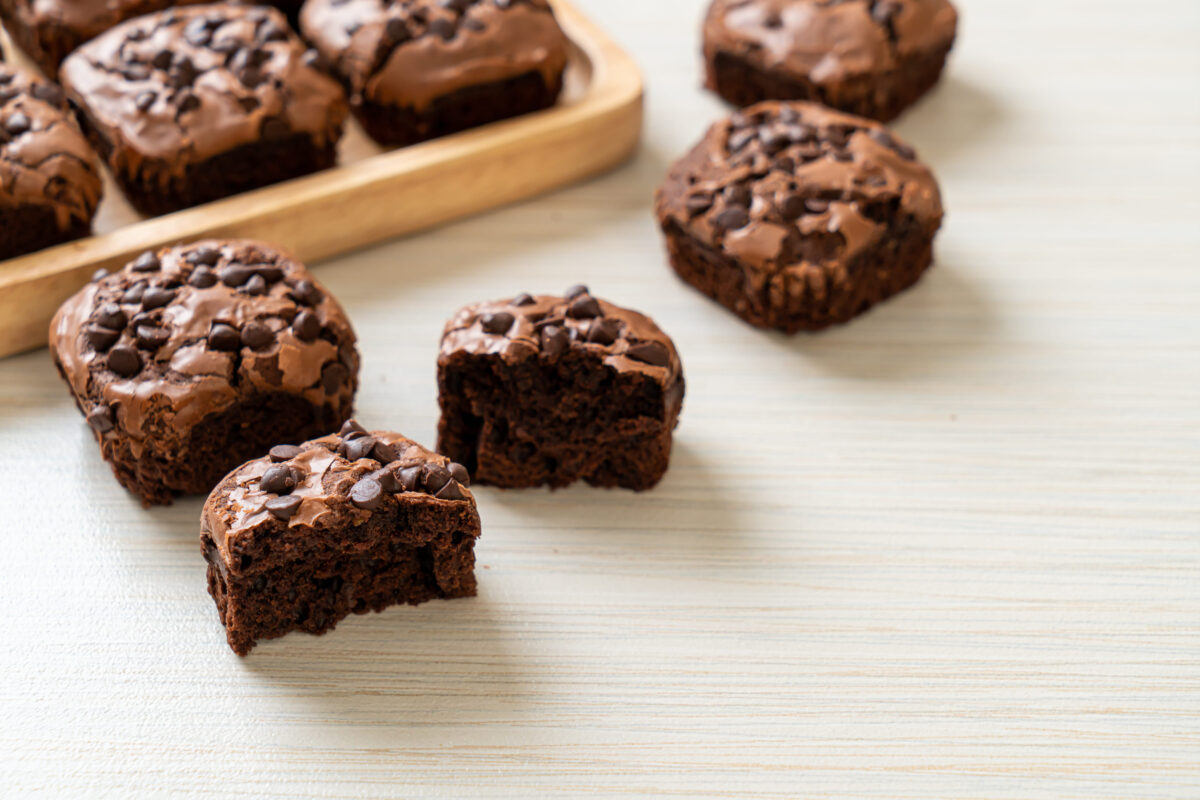
A brownie might seem like an unusual thing to receive while trick-or-treating, but some children really did find these chocolate squares in their bags.
Milson specifically remembered receiving homemade brownies from neighbors during his childhood Halloween outings in St. Louis.
Unlike individually packaged chocolate bars, these brownies came from someone’s baking pan.
The idea was straightforward: prepare a batch, cut it into portions, and distribute the pieces to visiting children.
Although brownie recipes varied, the familiar chocolate treat had already been around for decades by the 1950s.
One amusing detail from Milson’s recollections is that brownies generally held up better than slices of cake during the trip home.
That makes sense when you imagine children rushing between houses with increasingly crowded bags.
Today, individually portioned brownies could still make a charming addition to a Halloween party dessert table.
Rice Krispies Treats
Long before ready-made cereal bars became convenient lunchbox snacks, some Halloween visitors received homemade Rice Krispies treats.
The familiar combination of crispy rice cereal, marshmallows, and butter had emerged by the late 1930s.
Kellogg’s recognized 1939 as an important year in the development of the marshmallow version, with a recipe appearing on packaging in 1940.
By the 1950s, these chewy squares were among the homemade Halloween treats remembered by Milson in St. Louis.
Their preparation was wonderfully uncomplicated compared with many traditional candies.
Melt the marshmallow mixture, stir in the cereal, press everything into a pan, and cut it into squares after cooling.
It’s easy to imagine why this would be an appealing treat to prepare for a gathering of excited children.
Even today, their simplicity makes them ideal for anyone planning a nostalgic Halloween dessert spread.
Homemade Fudge
Some Halloween memories involve something considerably richer than a small candy bar: homemade fudge.
This old-fashioned confection was typically prepared by cooking ingredients together, beating the mixture, and allowing it to set before cutting it into pieces.
Both Milson’s St. Louis recollections and Jerry Hitchcock’s memories of trick-or-treating in central Montana mention receiving homemade fudge.
Hitchcock remembered fudge alongside homemade taffy and popcorn balls as particularly special treats.
Part of the attraction was that each household could offer something different.
Unlike factory-produced candy, homemade fudge might vary in texture and appearance depending on the recipe and the person preparing it.
It’s the kind of treat that can become a neighborhood favorite, with children remembering which home offered something particularly good.
For a modern Halloween celebration, a tray of homemade fudge is an easy way to bring back that old-fashioned feeling.
Homemade Taffy
Remember when making candy could be an activity all by itself?
Homemade taffy carries that nostalgic spirit.
Taffy pulling was associated with American Halloween parties as far back as the nineteenth century, according to National Geographic.
Later, homemade taffy also appeared among treats distributed to children going door to door.
Milson recalled receiving it in St. Louis, while Hitchcock remembered similar treats in Montana during the early 1970s.
These accounts don’t identify specific flavors or recipes, but they confirm that some households offered homemade versions instead of commercially packaged candy.
There was something memorable about getting a chewy confection that someone had taken the trouble to prepare.
Taffy might not be the most convenient Halloween project, but making it can turn an ordinary kitchen afternoon into an entertaining seasonal activity.
Related: Walmart’s holiday survey finds 43.8% of shoppers call affording the holidays their top stressor
Wrapped Slices of Homemade Cake
Perhaps the most surprising treat on this list is an actual slice of cake.
Yes, some neighbors handed out individual portions of homemade cake to trick-or-treaters.
Milson recalled receiving cake slices wrapped in plastic during his childhood Halloween adventures in St. Louis.
Of course, there was one obvious problem.
Cake wasn’t exactly designed to travel around inside a bag filled with candy, apples, and other goodies.
By the time children returned home, some slices had become flattened or crumbled at the bottom of their bags.
Still, the gesture was memorable.
Instead of offering a small packaged sweet, a neighbor was sharing a portion of a larger homemade dessert.
It was a different kind of Halloween generosity, even if the cake didn’t always survive the journey intact.
related: 12 Classic American Pies, From Pumpkin Pie to Pecan Pie
Why Homemade Halloween Treats Became Less Common
So what happened to all these homemade goodies?
The change wasn’t sudden.
According to Kawash, candy manufacturers stepped up Halloween promotions during the 1950s, while individually wrapped commercial sweets offered households a convenient alternative to baking and packaging homemade treats.
Concerns about candy tampering also contributed to changing attitudes toward unsealed food, particularly during the 1970s and 1980s.
However, sociologist Joel Best’s investigations found no substantiated pattern of children being killed or seriously injured by contaminated treats received during ordinary trick-or-treating.
Homemade goodies didn’t disappear everywhere, but factory-packaged candy gradually became the more familiar doorstep offering.
And while today’s Halloween bags may be easier to sort, there’s something wonderfully nostalgic about remembering when a neighbor’s homemade specialty could be the highlight of the evening.