Texas Homebuyers Face New Sticker Shock as Government Regulations Add Nearly $132,000 to New Homes
The price of a new home in Texas is no longer just about brick, lumber, land, and labor. It is also about paperwork, permits, delays, fees, inspections, and rules most buyers never see until the final price punches them in the wallet.
That is why the latest housing cost estimate is getting attention. The National Association of Home Builders says government regulations now add about $131,734 to the cost of a typical new single-family home. For families already stretched by mortgage rates, property taxes, insurance, groceries, and car payments, that number feels less like a statistic and more like a warning.
In Texas, the issue lands hard. This is a state where many Americans moved because they believed homeownership was still possible. Big yards, new subdivisions, better jobs, and more breathing room were part of the promise. Now, more buyers are asking the same angry question: How did even Texas start to feel out of reach?
The Cost Buyers Do Not See on the Listing Page
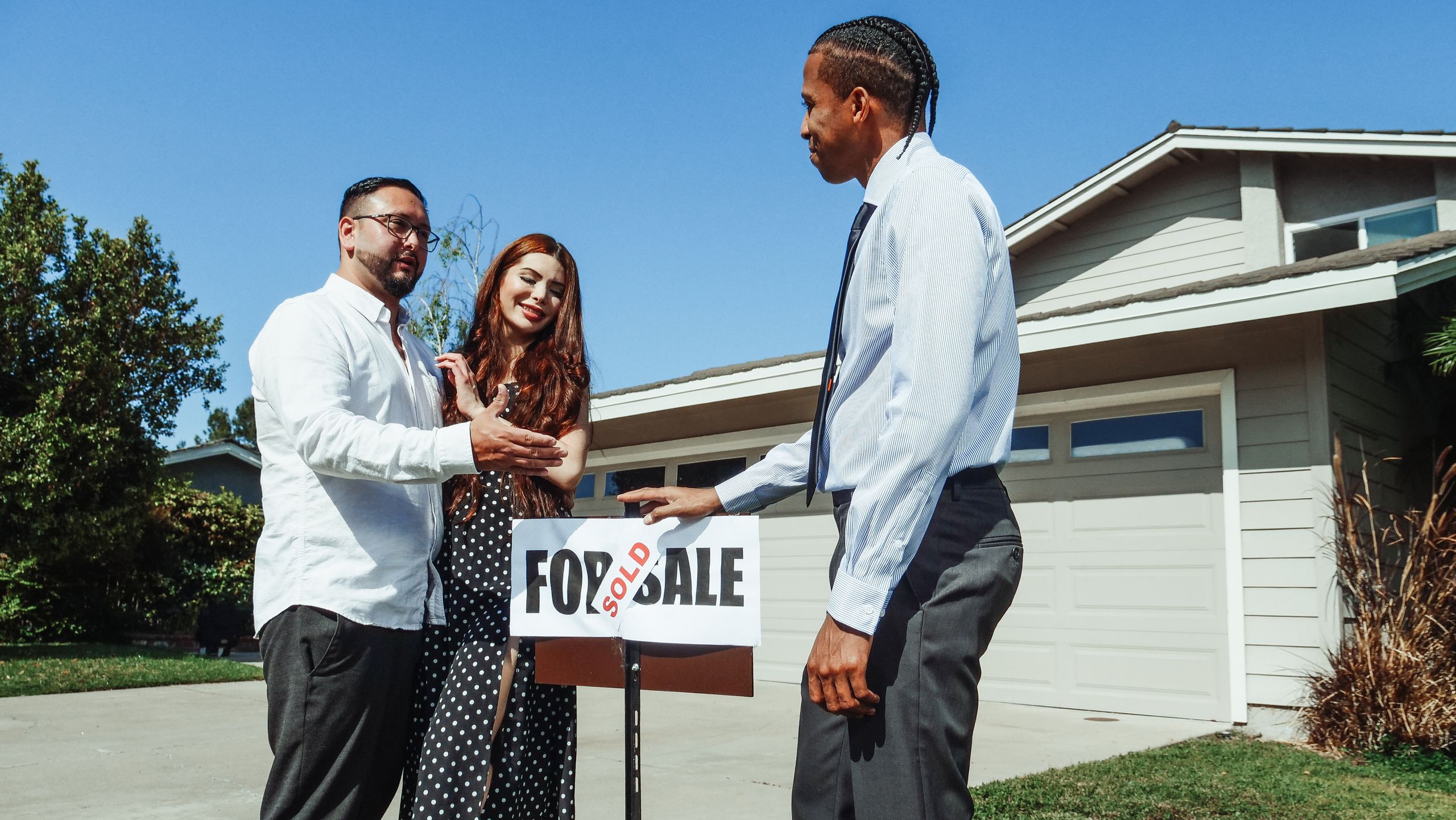
Most people shopping for a home look at the asking price first. Then they check the monthly payment, school district, commute, interest rate, taxes, and maybe the HOA fee. What they usually do not see is the hidden cost stacked into the house before it ever reaches the market.
Builders say regulations can affect nearly every stage of construction. There may be land-use rules in place before the first shovel hits the dirt. There may be permit delays, impact fees, environmental reviews, design standards, utility requirements, inspections, and compliance costs. Some rules protect safety and quality. Others, critics argue, slow down building so much that buyers end up paying the price.
That is where the fight begins. Nobody wants unsafe homes, bad drainage, weak roads, or neighborhoods slapped together without planning. But many Texans are now wondering whether the system has become so expensive that it protects housing while making actual housing unaffordable.
Texas Is Building, But Buyers Are Still Squeezed
Texas has not stopped building. New construction remains one of the biggest reasons the state has been able to absorb years of population growth. From Houston to Dallas-Fort Worth, from San Antonio to Austin’s outer suburbs, new communities have helped families find homes when older listings were scarce or overpriced.
But building more homes does not automatically make them affordable.
Many buyers are seeing more inventory than they did during the pandemic frenzy. Some sellers are cutting prices. Some builders are offering incentives. The market looks calmer on the surface. Yet the monthly payment still makes people pause, scroll away, or renew the lease for another year.
That is the part that frustrates buyers. They hear that prices are softening, but the home still feels expensive. They hear that builders are offering deals, but the mortgage still feels heavy. The numbers still do not work for their family.
The American Dream Now Comes With Fine Print
This is why the nearly $132,000 regulatory-cost figure is so powerful. It gives buyers a number to attach to a feeling they already have.
For years, Americans were told that hard work, patience, and saving could lead to a front door with their name on it. But today, even responsible buyers with jobs, savings, and decent credit are running into a wall. They are not asking for a mansion. Many are just trying to buy a starter home that does not eat half their income.
That is why this story will make people argue. Some will blame city governments. Some will blame builders. Some will blame investors, zoning rules, interest rates, or population growth. Others will say regulations are needed because nobody wants cheap construction that creates bigger problems later.
But the anger underneath them comes from the same place: people feel like the housing ladder has been pulled up while they were still trying to climb it.
Builders Are Offering Deals, But Buyers Should Read Carefully

Across Texas,builders have been trying to meet buyers where they are. Smaller floor plans, lower advertised prices, closing-cost help, appliance packages, and mortgage-rate buydowns have become common tools.
Those offers can help. A rate buydown may lower the payment enough for a buyer to qualify. A closing-cost credit can preserve cash. A smaller home can bring the price closer to reality.
But buyers should not let a shiny incentive distract them from the full cost. A temporary rate may rise later. A builder’s preferred lender may not be the cheapest option. An upgrade package may sound exciting, but it does not matter much if the total payment still strains the household.
The smartest Texas buyers are comparing the full picture: sale price, taxes, insurance, HOA fees, lender terms, commute costs, utility bills, and the incentive’s duration.
The Question Texas Cannot Ignore
Texas has always sold itself as a place where people can build a life. That promise helped fuel its growth. Families came for jobs, space, business opportunities, and the belief that they could get more for their money.
But if teachers, nurses, police officers, restaurant workers, young couples, and middle-income families cannot afford new homes near the communities they serve, the state has a bigger problem than housing prices.
A growing state needs homes that people can actually buy. It needs smart rules, but it also needs rules that do not quietly turn ordinary houses into luxury products. It needs safety and planning, but it also needs speed, supply, and common sense.
The uncomfortable truth is simple: every extra cost eventually lands somewhere. Sometimes it lands on the builder. Sometimes it lands on the city. Too often, it lands on the buyer sitting at the kitchen table, staring at a monthly payment that feels impossible.
So here is the question Texans may start asking louder: if nearly $132,000 of a new home’s price can be tied to regulation, who is really being protected, and who is being priced out?