Washington, D.C., America 250 Fair Faces State Pullouts Ahead Of Opening
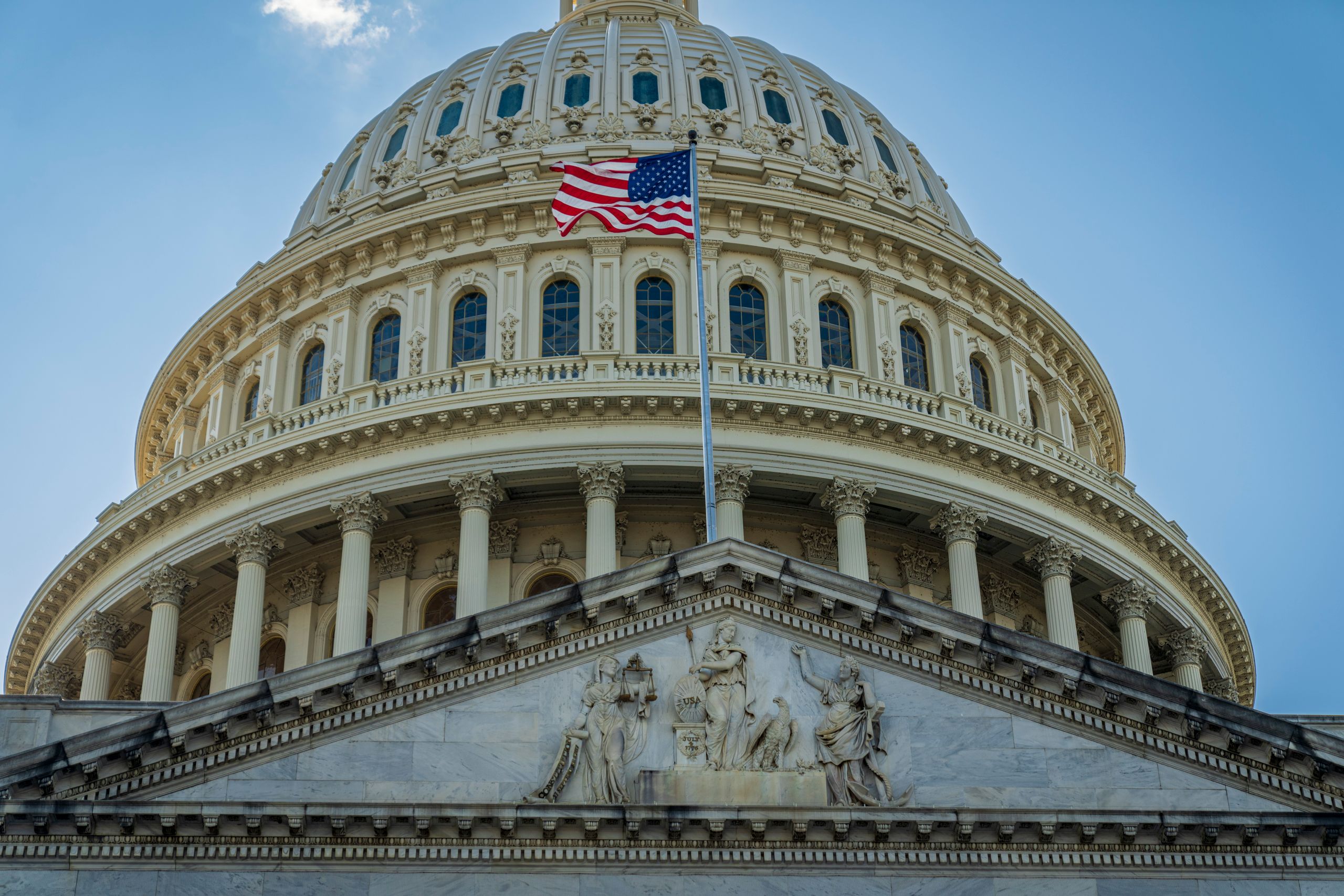
Washington, D.C., is preparing to host one of the largest public c tied to America’s 250th birthday, but the event is already facing a complication before the first crowds arrive on the National Mall.
Several states have said they will not send official delegations to the Great American State Fair, a 16-day event scheduled from June 25 through July 10, 2026, between 4th and 14th Streets. Organizers have promoted the fair as a national showcase with state pavilions, live music, carnival rides, food, cultural programming, and family attractions.
For D.C. residents, commuters, tourism workers, and businesses near the Mall, the issue is not just political. The bigger question is what kind of national event the city is about to host, how complete the state representation will be, and whether a celebration built around unity can still feel whole when some states are choosing to stay home.
Why The Pullouts Matter In D.C.
The Great American State Fair is not being held in an ordinary event space. It is being staged on the National Mall, one of the most symbolic public spaces in the country. Major gatherings there often become part of America’s public memory.
That makes the state pullouts more visible. Visitors coming to Washington may expect a coast-to-coast celebration of the country. Instead, they may find that some state governments are absent, even if organizers say every state and territory will still be represented in some form.
The timing also matters for the District’s economy. Destination DC reported that more than 27.2 million visitors came to Washington in 2025, spending a record $11.9 billion and supporting more than 114,000 jobs. A multi-week event on the Mall can affect hotels, restaurants, museums, transit, vendors, tour operators, and nearby neighborhoods.
Which States Are Sitting Out
CNN reported that officials from Oregon, Washington, Massachusetts, Illinois, North Carolina, and Connecticut declined invitations from the Trump administration to showcase their states at the fair. NOTUS, in a report published through Spotlight PA, separately listed Connecticut, Illinois, Maine, Massachusetts, North Carolina, and Oregon as states that would not officially send delegations.
Because reports have differed on some states, the safest wording is “at least six states” rather than a final national count. Pennsylvania and Washington were described differently across reports, while some outlets later placed the number at seven.
The main reason appears to be cost. States would not simply appear for a single ceremony. They would have to prepare exhibits, transport materials, arrange staff travel, pay for lodging, and keep booths covered during a multi-week event in Washington.
North Carolina officials said the state wanted to focus its limited resources on America 250 events inside North Carolina, including a July 4 event at the State Capitol in Raleigh. NOTUS reported that North Carolina estimated it would need at least $100,000 to prepare exhibition space and cover staff travel and accommodations.
Connecticut officials also pointed to resources as a reason for declining participation. For residents in those states, the decision may not feel like a boycott. It may simply look like a budget choice, with state leaders deciding that local events offer more value than sending staff and materials to Washington.
Politics Has Entered The Fairgrounds
Money is not the only issue. Oregon officials also raised concerns that the event was becoming more partisan than originally presented. That concern has become part of the broader debate around Freedom 250, the Trump administration-linked effort that is helping to organize major anniversary events.
The White House created a Task Force on Celebrating America’s 250th Birthday in January 2025 to plan a major celebration of the anniversary and coordinate with the U.S. Semiquincentennial Commission.
That commission, operating through America250, was created by Congress in 2016 and describes itself as a nonpartisan national effort to commemorate the 250th anniversary of the signing of the Declaration of Independence. The overlap between America250 and Freedom 250 has led to scrutiny, confusion, and political tension around the event.
What Organizers Are Saying
Freedom 250’s official event page still describes the Great American State Fair as a national exposition showcasing all states and territories. The page lists daily hours, themed programming, public attractions, live music, carnival rides, and hands-on partner activities.
Organizers have also said every state’s story will be represented, even if a governor’s office or state agency does not participate directly. That could mean representation through tourism boards, museums, local groups, companies, or other partners.
That may keep the fair visually full, but it raises a practical question for visitors: who is actually speaking for a state? A booth staffed by a local institution is not the same as an official state government delegation.
The Local Tourism Stakes

For Washington, the fair arrives at a valuable but sensitive moment. The city’s tourism economy has already reached record spending levels, and a large national event could bring more visitors to hotels, restaurants, museums, and transportation hubs.
The location increases the impact. The National Mall sits near Smithsonian museums, federal buildings, the Capitol, the Washington Monument, and major visitor routes. A crowd-drawing event there can ripple through downtown D.C., Southwest, Capitol Hill, Penn Quarter, Union Station, and hotel corridors across the city.
But large Mall events also bring pressure. Residents and commuters may face road closures, transit crowding, security zones, noise, and changes to crowd control. For local workers, the fair could be a boost or a burden depending on where they work, how they commute, and whether visitors spend money beyond the event zone.
What Visitors Should Watch Next
The most important thing to watch is the final participation list. Visitors should look for an official roster showing which states, territories, agencies, museums, tourism boards, and companies will be represented at each pavilion.
Travelers should also check event hours, Metro guidance, road closures, and security updates before heading to the Mall. The official event page lists regular hours from 10 a.m. to 9 p.m. Sunday through Wednesday, 10 a.m. to 11 p.m. Thursday through Saturday, and extended hours until midnight on July 4.
Local businesses should watch the crowd pattern closely. Some major events bring heavy foot traffic but limited spending outside the event zone. Others push visitors into nearby restaurants, hotels, museums, and stores, especially when programming continues into the evening.
Why This Story Matters Locally
The Great American State Fair is being sold as a national celebration, but Washington, D.C., will carry much of the practical weight. The Mall will host the crowds. Local workers will serve the visitors. Transit systems and public safety teams will manage the movement. Nearby businesses will hope the attention turns into real spending.
The state pullouts do not cancel the fair, nor do they prove the event will fail. But they do change the story. A celebration meant to showcase every corner of America is now also showing the strain between national spectacle, state budgets, and political trust.
For D.C. readers, that makes the fair worth watching closely. The question is not only whether the event opens on time. It is whether a celebration built to unite the country can still feel complete when some states decide their best birthday party is back home.