8 Most Unsafe Countries in the World (2026 Updated Global Risk Report)
Danger across the world does not follow a single pattern. In some regions, it is driven by active warfare and collapsing state structures. In others, it comes from organized crime, terrorism, political fragmentation, or prolonged humanitarian emergencies. What defines these environments is not just violence, but the breakdown or weakening of systems that normally protect civilians.
This overview draws from the Global Peace Index, UNHCR displacement data, OCHA humanitarian reports, and U.S. State Department travel advisories, which collectively measure risk based on conflict intensity, governance stability, crime levels, and humanitarian conditions.
Haiti
Haiti’s security environment has been significantly impacted by the expansion of armed gangs controlling parts of major cities and transportation routes.
This has disrupted access to healthcare, education, and essential services. Kidnapping risks and violent crime remain major concerns in urban areas. Humanitarian reports indicate widespread displacement and rising food insecurity affecting millions of residents, further straining already limited public resources.
Democratic Republic of the Congo
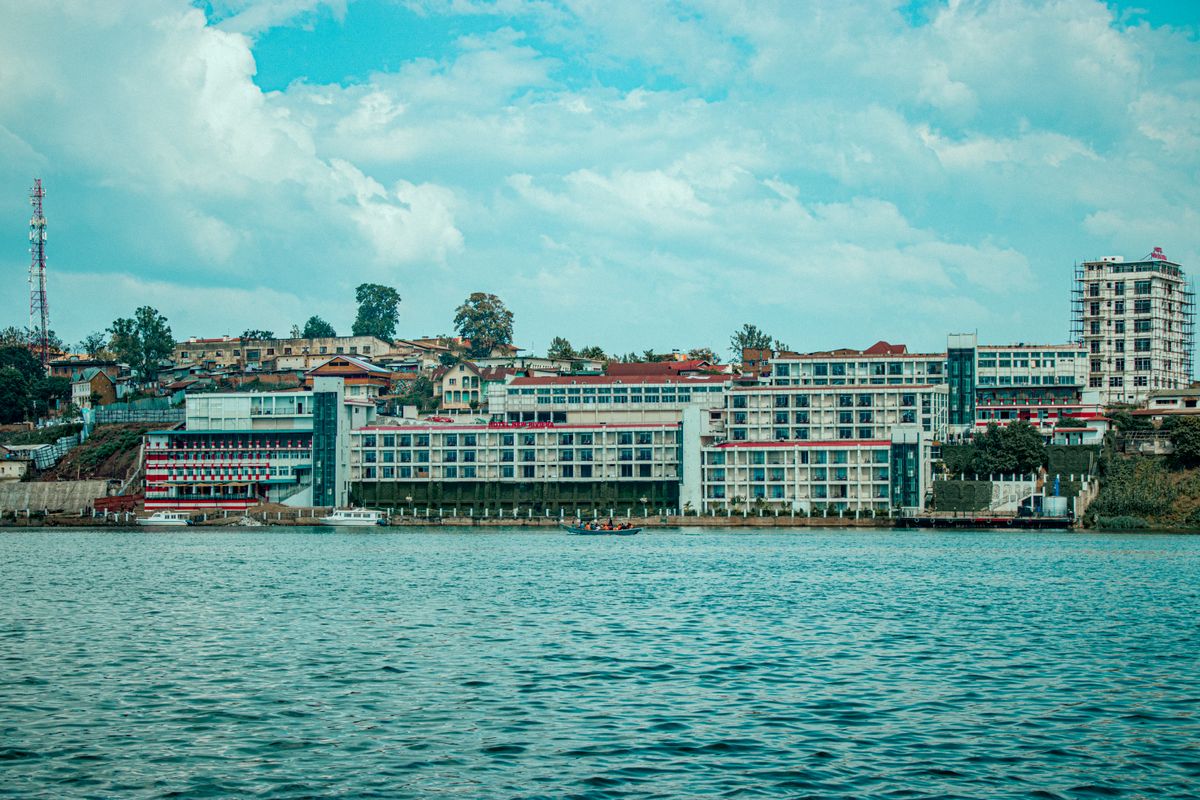
The Democratic Republic of the Congo (DRC) faces one of the most complex humanitarian and security landscapes globally, driven by armed group activity, regional instability, and resource-related conflict.
Eastern regions are particularly affected, with repeated cycles of displacement, violence, and disruption to agriculture and healthcare systems. UN agencies describe the DRC as one of the world’s largest displacement crises, involving millions of people affected by conflict and disease outbreaks.
Myanmar
Myanmar continues to experience internal conflict following political upheaval, with armed clashes reported in multiple regions. This has resulted in displacement and disruptions to essential services.
Humanitarian conditions vary widely by location, with some regions facing significant challenges in healthcare, education, and access to infrastructure. The country also faces high levels of organized crime activity and cross-border instability in certain areas.
Ukraine

Ukraine remains affected by an ongoing full-scale conflict that has significantly impacted infrastructure, energy systems, and civilian safety conditions.
Risks include missile strikes, drone attacks, landmines, and periodic disruptions to essential services. Conditions can change rapidly depending on military developments. The Global Peace Index ranks Ukraine among the least peaceful countries due to ongoing war conditions and associated civilian risks.
Afghanistan
Afghanistan remains one of the most complex security environments globally. The country continues to experience overlapping risks, including political instability, restricted civil freedoms, economic hardship, and sporadic security incidents in certain regions.
The U.S. State Department classifies Afghanistan as a Level 4: Do Not Travel destination due to risks including terrorism, wrongful detention, kidnapping, and limited emergency response infrastructure. Humanitarian conditions remain strained, with aid organizations reporting ongoing challenges in delivering healthcare, food assistance, and education services. Vulnerable groups, particularly women and minorities, face additional restrictions in daily life.
Yemen
Yemen is still affected by a long-term conflict that has significantly damaged infrastructure and public services. Years of war have disrupted healthcare systems, transportation networks, and food distribution channels.
According to humanitarian agencies, millions of people require assistance, with widespread shortages of clean water and medical care. Disease outbreaks and displacement remain persistent concerns. The country is designated Level 4: Do Not Travel by the U.S. State Department due to conflict-related risks, terrorism threats, and humanitarian instability.
Sudan
Sudan continues to face severe internal conflict between armed groups, leading to widespread displacement and destruction of civilian infrastructure. Large-scale violence has disrupted governance and essential services in many regions.
OCHA estimates that over 30 million people require humanitarian aid, making Sudan one of the largest current crises globally. The breakdown of public order has also impacted healthcare access, food supply chains, and transportation systems, further deepening humanitarian pressure.
Syria
Syria remains affected by a prolonged conflict that has reshaped the country’s infrastructure and population distribution. While some areas have stabilized, others remain impacted by fragmented control and periodic violence.
Key risks include unexploded ordnance, limited infrastructure recovery, economic instability, and localized security incidents. Movement between regions can involve differing levels of control and regulation. The U.S. State Department continues to classify Syria as Level 4: Do Not Travel, reflecting ongoing security and humanitarian concerns.