FDA Gives Highest-Risk Classification to Cheese Recall Affecting 13 States
That block of cheese sitting in your refrigerator deserves a closer look. The U.S. Food and Drug Administration (FDA) has assigned its highest-risk classification, Class I, to a recall involving Sierra Nevada Graziers raw milk cheeses distributed across 13 states. The recall involves several popular cheese varieties linked to concerns about E. coli contamination.
The recall began in September 2026 after an outbreak investigation identified 13 illnesses across nine states, including eight hospitalizations. Three patients developed a serious complication known as hemolytic uremic syndrome, according to federal investigators. With the recalled products distributed nationwide, shoppers have been advised to check their refrigerators and freezers.
Why the FDA’s Class I Warning Matters
Not every food recall receives the FDA’s highest-risk classification. Class I is reserved for situations where exposure to a recalled product has a reasonable probability of causing serious consequences or death.
The Graziers recall was initially announced by Sierra Nevada Cheese Company on September 28, 2026. The FDA subsequently assigned the recall its Class I classification, according to updated recall tracking information.
The distinction matters because the classification describes the seriousness of the potential hazard. It does not mean every package tested positive for contamination.
The company said investigators had not identified a specific production date, lot number, or source of contamination when the recall began. As a result, the recall covers all affected Graziers raw milk cheeses in distribution, not one particular batch.
These 13 States Are Listed in the Recall Records
FDA enforcement records identify distribution in Arizona, California, Colorado, Florida, Georgia, Illinois, Indiana, Maryland, New Jersey, Oregon, Texas, Washington, and Wisconsin. However, shoppers outside those states should note an important detail.
The company’s official announcement describes the recall as nationwide, with products distributed through retailers, distributors, and direct customers. The FDA also confirms that the recalled cheeses were sold online.
That means shoppers shouldn’t assume their cheese is unaffected simply because their state isn’t among the 13 listed in the enforcement records. Checking the actual brand and product is more useful than relying on geography alone.
Which Cheese Products Are Included?
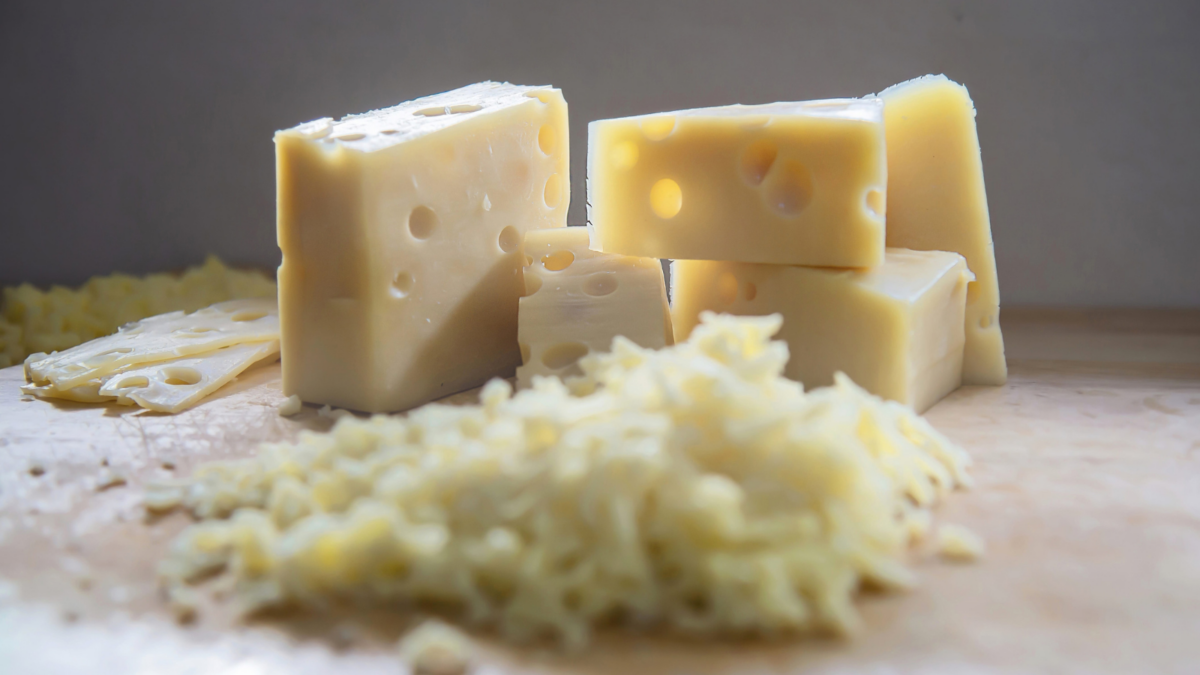
Four main varieties of Sierra Nevada Graziers raw milk cheese are affected. These products were sold in different package sizes, including retail packages and larger quantities intended for wholesale or food-service customers.
Graziers Raw Milk Monterey Jack
This cheese appears in the recall in 8-ounce retail packages, with UPC 687652164009. Five-pound Monterey Jack loaves are also included. Consumers with either version should follow the recall instructions.
Graziers Raw Milk Jalapeño Jack
The Jalapeño Jack variety is included in 8-ounce packages, identified by UPC 687652164030. The recall also affects larger five-pound loaves, so it is not limited to smaller grocery-store packages.
Graziers Raw Milk Medium Cheddar
Medium Cheddar is listed in both 8-ounce and 16-ounce retail packages, with UPCs 687652165068 and 687652165013, respectively. The recall also includes bulk Medium Cheddar products. This variety was specifically identified in the outbreak investigation.
Graziers Raw Milk Sharp Cheddar
Sharp Cheddar is among the recalled cheeses, including 8-ounce packages with UPC 687652165075. Larger wholesale formats are covered as well. Shoppers who have this variety should not consume it.
The FDA’s official recall announcement provides additional product identification details and photographs.
What Investigators Found About the Outbreak
The Centers for Disease Control and Prevention reported 13 confirmed illnesses across nine states as of September 25, 2026. Those illnesses occurred in California, Colorado, Georgia, Kentucky, Michigan, Nevada, Oregon, Tennessee, and Utah. Eight patients were hospitalized, and no deaths were reported in that update.
The investigation also revealed a notable connection between the affected cheese and the reported cases. All nine patients interviewed about their food consumption reported eating Sierra Nevada Graziers raw milk cheese.
For comparison, the CDC referenced a FoodNet survey in which 4.9% of respondents reported eating unpasteurized milk cheese. Investigators said the difference supported the suspected connection between the recalled product and the outbreak.
What Food Safety Experts Want Shoppers to Know
Food safety specialists emphasize that recall instructions deserve attention even when a product looks perfectly ordinary.
Courtney Crist, a food safety specialist at Mississippi State University, addressed recalled groceries in an October 5 interview with Mississippi Today. “Do not try to make a recalled food item safe,” Crist cautioned. She advised disposing of affected products properly or returning them for a refund.
The CDC has also highlighted the importance of checking refrigerators and freezers because the recalled Graziers cheeses have a long shelf life.
For shoppers, the message is practical: a package isn’t exempt from a recall just because it’s been sitting unopened in the refrigerator.
Related: 10 Foods You Might Be Surprised Are Banned or Restricted in the United States
What Sierra Nevada Cheese Company Has Done
The company’s recall announcement confirms that federal regulators notified it to stop producing and shipping Graziers raw milk cheeses.
Sierra Nevada Cheese Company also notified customers who purchased the affected products directly and posted recall information on its website and social media.
The FDA and CDC continued investigating the outbreak, including efforts to determine the contamination source and whether additional products might be involved.
What Shoppers Should Do Now
The FDA’s instructions are straightforward. Anyone who has recalled Graziers cheese should avoid eating or serving it and either dispose of the product or return it to the place of purchase for a refund.
The agency also recommends cleaning and sanitizing surfaces or containers that came into contact with affected cheese. If a cheese was removed from its original packaging and cannot be identified, the FDA advises discarding it.
Consumers seeking more information can contact Sierra Nevada Cheese Company at 530-934-8662, Monday through Friday, from 8:30 a.m. to 5 p.m. Pacific Time, or email [email protected].
The Bottom Line
The latest FDA classification reinforces the seriousness of a cheese recall that began in September. With four Graziers varieties involved, nationwide distribution confirmed, and an outbreak investigation documenting 13 illnesses, the most useful next step is to check the cheese already in your kitchen.
The key is to accurately identify the affected products, not assume every cheese in the refrigerator is subject to the recall.
For complete product details and future updates, readers can consult the FDA’s official recall notice and outbreak advisory.