Lindsey Graham’s Reported Trump Comment Reveals the Hidden Battle Over Iran War, Power and Presidential Strategy
A private remark allegedly made by the late Sen. Lindsey Graham has reopened a much larger debate about President Donald Trump’s approach to war, diplomacy and the people influencing America’s most consequential foreign policy decisions. According to reporting based on documentary footage, Graham described Trump as highly energized at the beginning of the Iran war, offering a rare glimpse into how some allies viewed the president away from the cameras.
The reported comments have attracted attention because they appear to contrast with one of Trump’s defining political messages: that he was the leader who would avoid endless wars and put pressure on America’s rivals through negotiation. The remarks also expose a deeper divide inside political circles over whether military strength creates leverage or whether it risks pulling the United States into another prolonged conflict.
Lindsey Graham’s Reported Comments Reveal a Different Side of Trump’s Iran Strategy
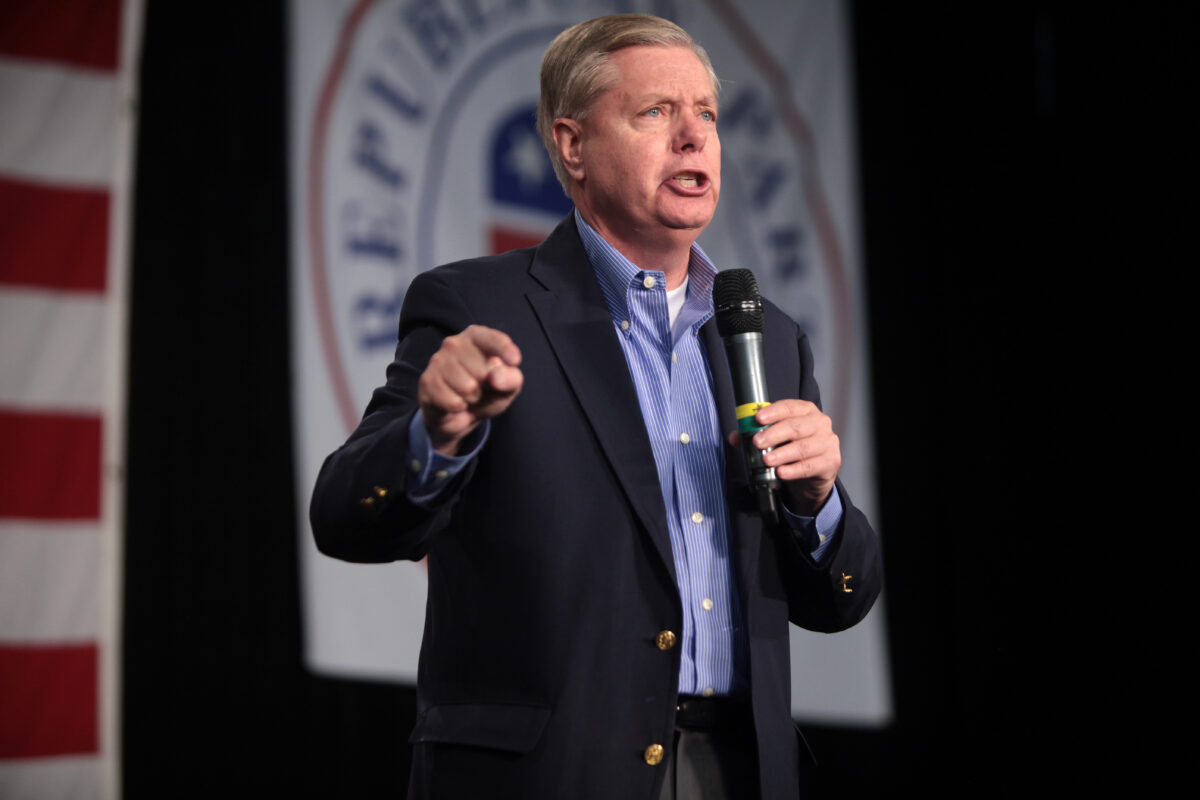
According to reports based on documentary footage captured by filmmaker Alex Holder, Lindsey Graham privately described Trump as “jacked” at the beginning of the Iran war. Graham reportedly told the film crew that Trump believed the military action was one of the most significant decisions of his presidency and appeared energized by the operation. The comments created a striking contrast with Trump’s long-standing public image as a leader who criticized previous administrations for entering costly foreign conflicts.
The reported remarks have fueled questions about the gap between Trump’s public messaging and private conversations among his closest allies. While Trump built political support by promising to avoid unnecessary wars, he has also argued that showing military strength can force opponents to negotiate. Graham’s comments have become part of a broader debate over whether Trump’s foreign policy was driven more by restraint or by a willingness to use force when he believed American interests were threatened.
Trump’s “No Endless Wars” Message Faces New Questions
Trump’s political rise was partly built on criticism of America’s long military involvement overseas. During his campaigns, he repeatedly argued that previous leaders had allowed the United States to spend too much money and sacrifice too many lives in conflicts that produced limited results. His supporters often praised him as a president who wanted to reduce foreign commitments while focusing on domestic priorities.
The reported Graham comments have reopened questions about how Trump balanced those promises with his willingness to take military action. Supporters argue that using force against adversaries can prevent larger conflicts and strengthen America’s negotiating position. Critics argue that aggressive military decisions can create unintended consequences and conflict with the message of avoiding unnecessary wars.
Lindsey Graham’s Political Journey From Trump Critic to Key Ally
Few Republican lawmakers have had a more complicated relationship with Trump than Lindsey Graham. During the 2016 presidential campaign, Graham was one of Trump’s most outspoken critics, questioning his leadership style and political approach. Over time, however, Graham became one of Trump’s strongest allies in Congress and one of the most influential Republican voices on national security issues.
That transformation made Graham’s reported private comments particularly significant. As a longtime foreign policy hawk, Graham has often supported a more aggressive approach toward America’s adversaries, including Iran. His close relationship with Trump gave him unusual access to the president’s thinking, making his private observations a window into discussions happening among some of Trump’s closest advisers.
The Iran Debate Exposed a Split Between Military Hawks and Diplomacy Advocates
The reported comments also highlight a long-running disagreement inside administrations dealing with international crises. One side often argues that strong military pressure is necessary to force opponents to change behavior. These officials believe demonstrating power can create leverage and prevent enemies from testing American resolve.
Another side favors caution, negotiation and diplomatic agreements whenever possible. These officials warn that military action can escalate quickly and create challenges that are difficult to control. Graham’s reported frustration that more administration officials were not publicly supporting the Iran war suggests there were disagreements behind the scenes about how aggressively the United States should respond.
Graham Reportedly Wanted Marco Rubio Leading Iran Negotiations
The reported documentary footage also revealed Graham’s concerns about who should handle diplomatic efforts with Iran. Graham reportedly questioned whether Steve Witkoff and Jared Kushner were the right people to negotiate a deal, suggesting that Secretary of State Marco Rubio would be better positioned for the role.
The comments reveal that the disagreement was not simply about whether negotiations should happen. The larger issue involved who could represent American interests during a highly sensitive foreign policy moment. Graham’s reported preference for Rubio suggested he believed successful diplomacy required someone with extensive foreign policy experience and a strong national security background.
Iran Has Remained One of America’s Most Difficult Foreign Policy Challenges
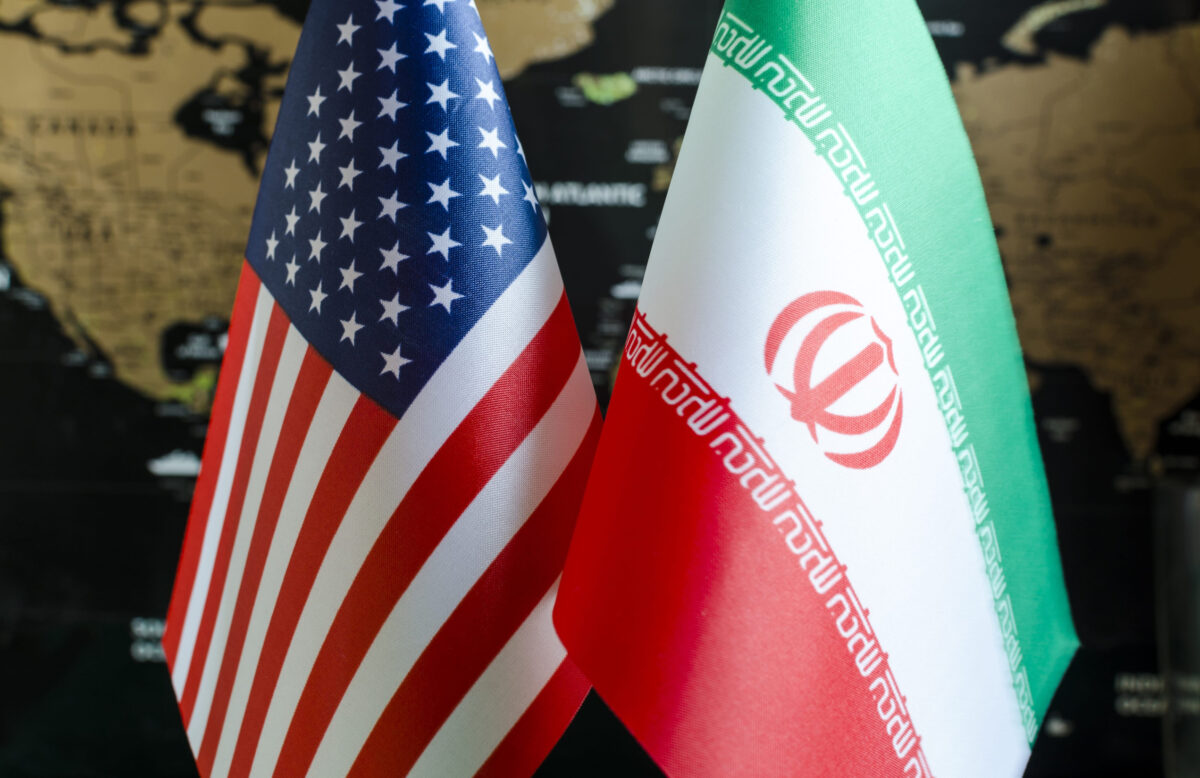
The tension between Washington and Tehran has existed for decades, shaped by events including the 1979 Iranian Revolution, disputes over Iran’s nuclear program and conflicts involving Iranian-backed groups throughout the Middle East. Successive American administrations have struggled to balance pressure, diplomacy and military deterrence when dealing with Iran.
The challenge has always involved competing risks. A softer approach may be criticized as weakness, while a more aggressive strategy can increase the possibility of wider conflict. The debate surrounding Trump’s Iran policy reflects a much older question in American foreign affairs: how far should the United States go to confront threats without creating a larger crisis?
Documentary Footage Offers Rare Look Behind Political Decisions
Political leaders often present carefully controlled messages during public appearances, but long-term documentary projects can capture moments that reveal disagreements, frustrations and personal opinions. The reported Graham footage provides a rare look at how influential figures discuss major decisions when they are away from official statements and public speeches.
These behind-the-scenes moments can reshape public understanding of political events because they show the human side of decision-making. Leaders may speak differently in private than they do in front of voters, journalists, or international audiences. The reported comments have gained attention because they offer a glimpse into conversations that usually remain hidden.
The Bigger Question: Who Shapes America’s Foreign Policy Decisions?
The controversy surrounding Graham’s reported comments raises a larger question about influence inside the White House and Congress. Major foreign policy decisions are rarely made by one person alone, and presidents often rely on advisers, lawmakers, cabinet officials and trusted allies for information and guidance.
The Iran debate shows how competing voices can shape national strategy during moments of crisis. Whether the focus is military action, diplomacy or negotiation, the people surrounding a president can influence how threats are interpreted and how responses are developed. Graham’s reported comments have brought renewed attention to those behind-the-scenes battles over power and policy.
Trump’s Iran Strategy Leaves a Lasting Foreign Policy Debate
The reported remarks from Lindsey Graham have become more than a conversation about one quote. They represent a broader debate about Trump’s leadership style, America’s role overseas and the difficult balance between strength and restraint. Supporters see a willingness to confront threats, while critics question whether military enthusiasm can create greater risks.
As discussions continue, the central question remains how America should respond when diplomacy and military power collide. The reported comments offer a rare look into those tensions, but the larger debate over war, peace, and presidential decision-making is likely to continue long after the headlines fade.