10 Delicious Japanese Dishes You Should Try Besides Sushi
When you think of Japanese food, sushi usually comes to mind first. Those neatly rolled pieces of rice, seafood, and seaweed have become a familiar sight on restaurant menus worldwide. But limiting Japanese cuisine to sushi means missing out on some seriously delicious meals.
Japan has an incredible food culture filled with comforting rice dishes, crispy fried treats, steaming noodles, and sizzling street food. Some dishes are simple enough to prepare at home, while others turn dinner into an exciting experience.
The best part? You don’t have to be an adventurous eater to appreciate many of these foods. Whether you love crispy chicken, savory pancakes, or hearty bowls of rice, there’s something worth discovering.
Here are 10 Japanese dishes that deserve a place on your must-try list.
Omurice: A Comforting Combination of Eggs and Rice
Imagine cutting into a fluffy omelet and discovering a delicious serving of seasoned fried rice underneath. That’s the magic of omurice, one of Japan’s most comforting dishes.
Omurice combines two familiar foods, eggs and rice, into one satisfying meal. The rice is commonly cooked with ketchup, vegetables, and chicken, then wrapped in or covered with an omelet.
Some restaurant versions feature a soft omelet that opens over the rice when sliced, creating an impressive presentation.
Omurice is particularly appealing because of its flexibility. Home cooks can adjust the vegetables, protein, and seasonings to suit their preferences.
For anyone looking to try Japanese cooking without buying too many unfamiliar ingredients, omurice is an excellent starting point.
Takoyaki: Bite-Sized Street Food With a Surprise Inside
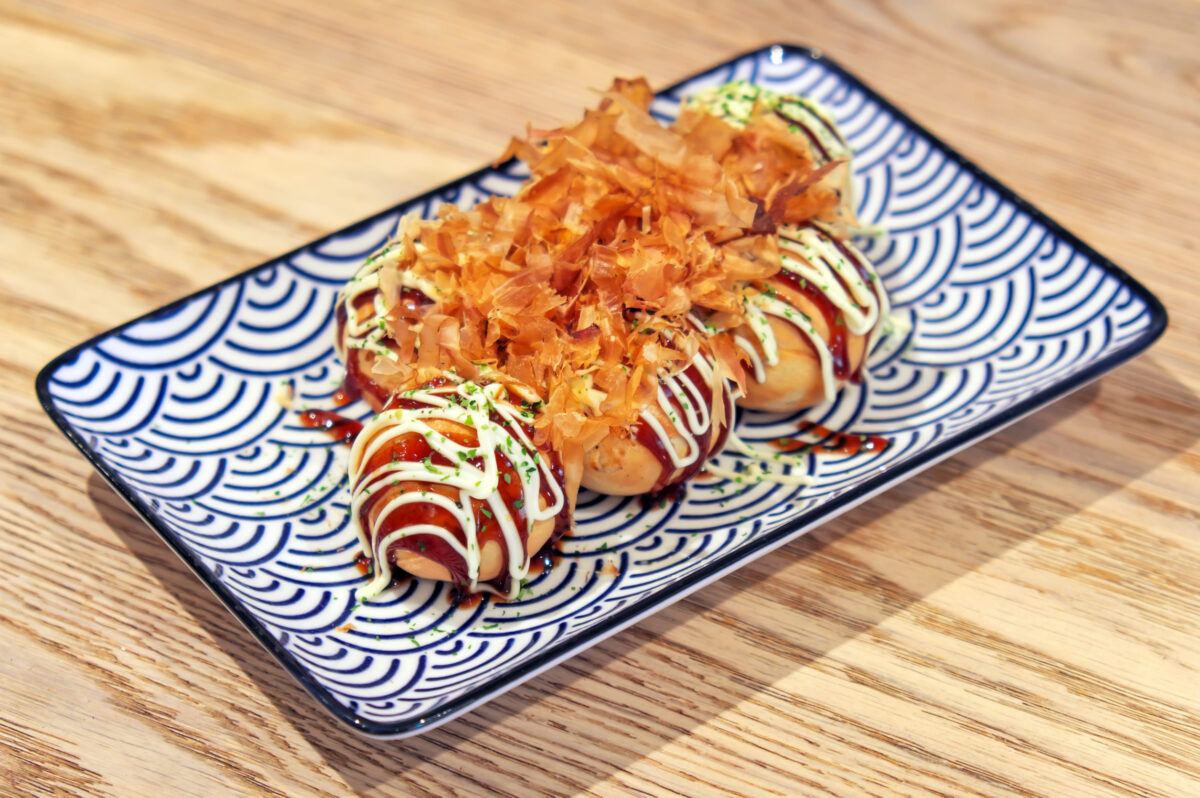
If you ever visit Osaka, you’ll likely encounter takoyaki, a popular street food that looks like small golden balls.
These savory snacks are prepared using a wheat-flour batter poured into a special pan with rounded molds. Traditionally, each ball contains pieces of octopus, along with ingredients such as green onions and pickled ginger.
As the batter cooks, vendors carefully rotate the balls until they develop their distinctive round shape.
The finished takoyaki is typically covered with a savory sauce, Japanese mayonnaise, dried seaweed, and bonito flakes.
Despite their crisp-looking exterior, the centers can remain wonderfully soft.
One important tip: Don’t eat them straight from the pan. Freshly cooked takoyaki can be extremely hot inside, so let them cool for a moment.
Tonkatsu: Japan’s Answer to Crispy Fried Pork
If crispy fried food is your weakness, tonkatsu might become your new favorite.
This Japanese dish is a pork cutlet coated in flour, egg, and panko breadcrumbs, then deep-fried until golden.
Unlike ordinary fine breadcrumbs, panko creates a light, crunchy coating that gives the pork its distinctive texture.
Tonkatsu is commonly served sliced alongside shredded cabbage, rice, and a thick, savory-sweet sauce.
You might also encounter it in other popular Japanese meals, including katsu curry, where the fried pork is paired with a rich curry sauce.
The combination of crunchy breading, tender pork, and flavorful sauce makes tonkatsu an appealing choice for anyone who enjoys breaded cutlets.
It’s familiar enough for beginners but distinctive enough to offer something different.
Japanese Curry: A Rich and Hearty Rice Dish
Japanese curry may surprise anyone expecting the same flavors and consistency as Indian or Thai curries.
The Japanese version typically features a thick, smooth, stew-like sauce. Common ingredients include onions, carrots, potatoes, and chicken or beef.
The sauce gets much of its characteristic thickness from curry roux, which combines fat, flour, and seasonings.
It’s usually served with steamed rice, making it a complete, comforting meal.
One reason Japanese curry is especially convenient for home cooking is the availability of prepared curry roux blocks. These let cooks make the sauce without mixing every spice individually.
Households prepare curry differently, adjusting ingredients and flavors to suit their tastes.
If you enjoy hearty stews served with rice, you’ll want to explore Japanese curry.
Shabu Shabu: A Dinner You Cook at the Table
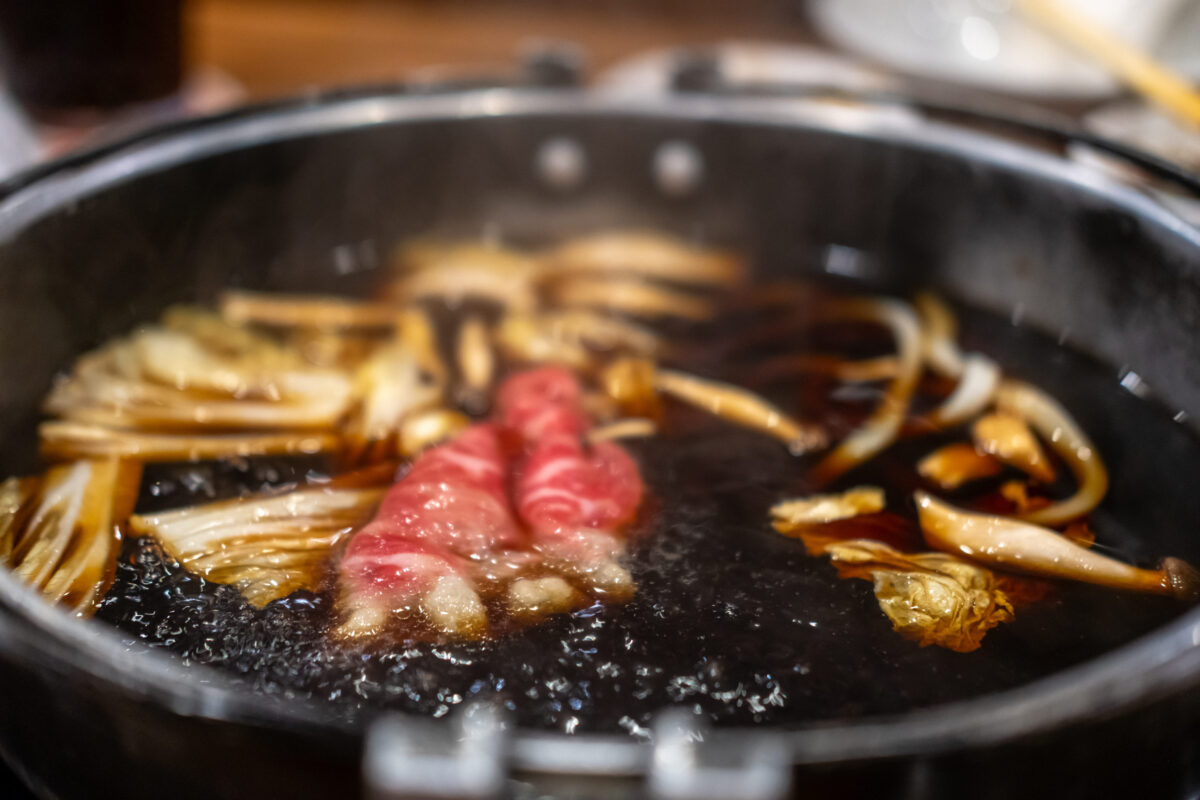
Some meals are about more than what’s on the plate. Shabu shabu turns eating into an interactive experience.
This Japanese hot pot dish involves cooking thin slices of meat, vegetables, and other ingredients in a pot of simmering broth placed at the table. Beef is a common choice, although pork and other ingredients may also be offered.
Diners pick up individual pieces of meat, briefly swish them through the hot broth until they cook through, and enjoy them with dipping sauces.
Two familiar accompaniments are ponzu, a citrus-based sauce, and goma dare, a creamy sesame sauce.
Vegetables, mushrooms, and tofu can also be added to the pot. Shabu shabu is especially enjoyable for groups because everyone prepares their own portions.
It’s a wonderful alternative to conventional restaurant dining, especially when sharing a meal with friends or family.
Related: 9-unique-and-strange-japanese-foods-you-must-try/
Okonomiyaki: The Savory Pancake Loaded With Flavor
Forget everything you know about breakfast pancakes because okonomiyaki is something entirely different.
This Japanese specialty is a savory pancake made with cabbage, flour, eggs, and dashi broth.
You can add meat, seafood, and other ingredients depending on the recipe.
The dish is particularly associated with Osaka and Hiroshima, although the two cities prepare it differently.
Osaka-style okonomiyaki generally mixes the ingredients into a batter before cooking. Hiroshima-style versions layer the ingredients and commonly include noodles.
Both styles are often finished with savory sauce, Japanese mayonnaise, seaweed flakes, and bonito shavings.
The name roughly translates to “cook it the way you like it,” reflecting the dish’s customizable nature.
For anyone who enjoys experimenting with different toppings and textures, okonomiyaki offers plenty of possibilities.
Yakisoba: Stir-Fried Noodles Packed With Flavor
Yakisoba is proof that a simple noodle dish can deliver impressive flavor.
This Japanese favorite features wheat noodles stir-fried with cabbage, onions, carrots, and pork.
The noodles are coated in a savory sauce that often includes Worcestershire-style flavors, giving it a slightly sweet, tangy finish.
Despite the word soba appearing in its name, yakisoba generally uses wheat-based noodles rather than traditional buckwheat soba noodles.
It’s commonly prepared on large griddles at festivals and food stalls, where cooks quickly toss the ingredients together.
At home, yakisoba is just as convenient because you can adjust the vegetables and protein based on what’s available.
Some versions are topped with pickled ginger, dried seaweed, or bonito flakes for additional flavor.
If you’re already a fan of stir-fried noodles, yakisoba deserves a spot on your next Japanese food order.
Udon: Thick, Chewy Noodles Made for Comfort
Ramen gets plenty of international attention, but udon deserves just as much appreciation.
These Japanese noodles are made primarily from wheat flour, water, and salt. Their thick, chewy texture sets them apart from many other noodle varieties.
You can enjoy udon hot or cold, depending on how you prepare it.
One familiar version, kake udon, features noodles served in a savory broth flavored with ingredients such as dashi and soy sauce.
Other variations include curry udon, which combines noodles with Japanese curry, and yaki udon, a stir-fried dish with vegetables and sometimes meat.
Udon’s simplicity also makes it ideal for highlighting different broths and toppings.
For noodle lovers seeking something beyond ramen, udon offers an entirely different eating experience.
Karaage: Japanese Fried Chicken Worth Trying
Fried chicken is familiar worldwide, but Japan has its own delicious approach.
Karaage typically features bite-sized pieces of chicken marinated in soy sauce, ginger, and garlic.
The chicken is then coated in flour, potato starch, or a combination of both before frying.
The result is flavorful chicken with a crisp exterior and a tender interior.
Unlike some fried chicken preparations that depend heavily on a thick outer coating, karaage gets much of its flavor from the marinade.
It’s frequently served with lemon wedges and may be accompanied by Japanese mayonnaise.
You’ll find karaage in restaurants, lunch boxes, and casual Japanese pubs called izakaya.
For someone trying Japanese food for the first time, this might be one of the easiest dishes to enjoy.
Onigiri: Simple Rice Balls With Delicious Fillings
Sometimes the simplest foods are the most satisfying, and onigiri is a perfect example.
These Japanese rice balls are made by shaping cooked rice into triangles, rounds, or other compact forms.
Many contain fillings such as salted salmon, tuna mixed with mayonnaise, pickled plum, or seasoned bonito flakes.
They are often partially wrapped in nori seaweed, making them convenient to hold and eat.
Onigiri is particularly popular as a portable snack or packed lunch. In Japan, convenience stores offer wide varieties.
Despite their simple appearance, the combinations of rice, fillings, and seasonings provide plenty of variety.
Making onigiri at home is also straightforward, especially with Japanese short-grain rice, which holds its shape when formed.
If you want something quick, filling, and easy to carry, onigiri is a great option.
There’s Much More to Japanese Food Than Sushi
Sushi may be the most recognizable Japanese dish for many international diners, but it’s only a small part of the country’s food culture.
From the crispy coating of tonkatsu to the comforting warmth of Japanese curry, these dishes demonstrate just how varied Japanese cooking can be.
Some are perfect for a quick lunch, while others create memorable moments around a shared table.
The next time you visit a Japanese restaurant, consider ordering something unfamiliar. You might discover that your new favorite Japanese dish doesn’t involve sushi at all.
Other articles you may like:
– foods-you-should-never-wash-before-cooking/
– foods-banned-overseas-that-americans-still-consume-daily/
– why-some-people-love-spicy-food-and-others-cant-stand-it-according-to-science/