8 Reasons Calling 69 “Officially Old” Gets Aging Wrong
Aging has always made people nervous, but nothing exposes that fear faster than a neat little number. The claim that 69 is the age when someone becomes “officially old” sounds scientific, clean, and shareable, which is exactly why it spreads so easily. It gives readers a line in the sand, as if life politely changes categories at midnight on one birthday.
But real aging does not work that way. A person can be 69 and energetic, sharp, stylish, curious, and professionally active, while someone much younger may feel exhausted, disconnected, and stuck. The real issue is not the number itself. It is the way society uses age as a shortcut for decline, limitation, and invisibility.
The Number Makes Aging Sound Too Simple

Calling 69 the official start of old age turns a complex human experience into a headline trick. It gives people an easy label, but it does not explain health, independence, memory, income, relationships, or purpose. Two people can share the same birth year and live in completely different realities.
That is why the number feels more cultural than scientific. It reveals what people think aging looks like, not what every older person actually becomes. A birthday can mark time, but it cannot measure vitality. The real question is not when someone becomes old. The better question is when society starts treating them as less capable.
Society Confuses Age With Decline
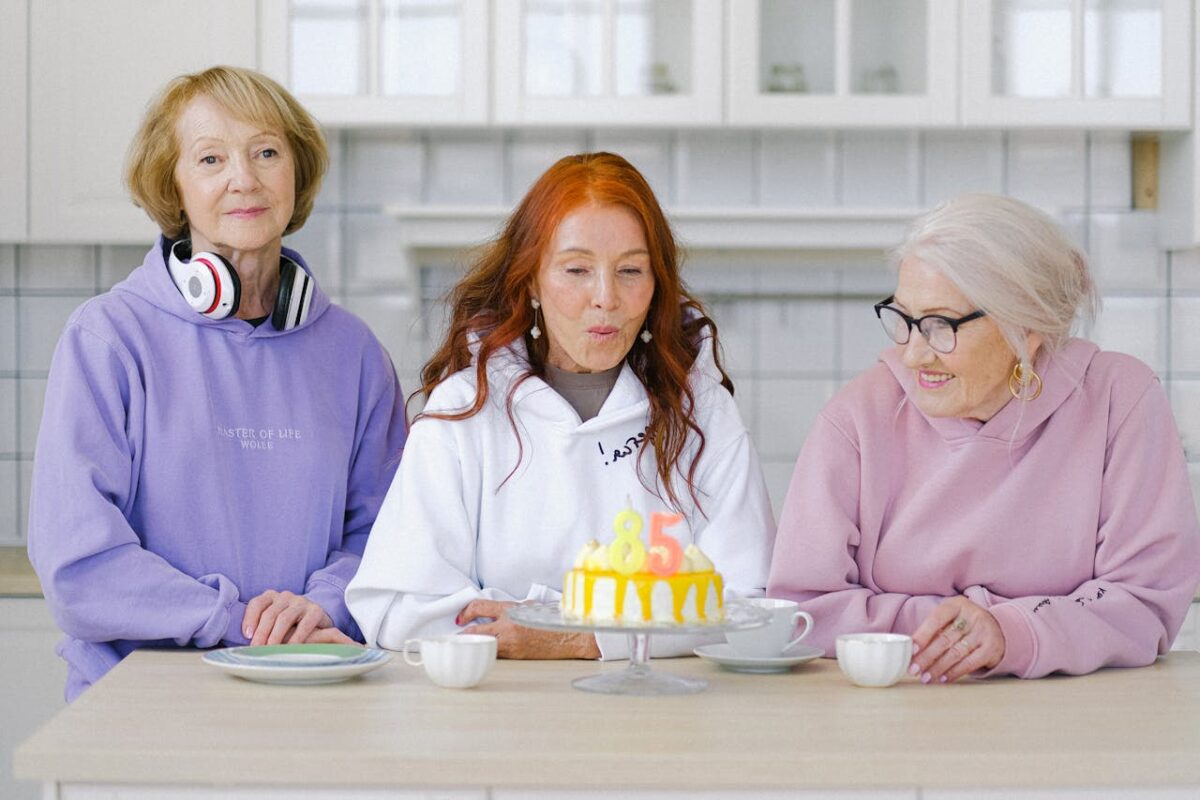
One of the biggest mistakes people make is assuming older automatically means weaker, slower, or less useful. This belief is repeated so often that it begins to sound natural. A person reaches a certain age, and suddenly others expect them to step back, calm down, dress quietly, stop learning, and accept a smaller life.
That mindset is lazy. Aging can bring health challenges, but decline is not evenly distributed. Some older adults remain mentally sharp, physically active, emotionally grounded, and socially engaged. Others face serious limitations much earlier because of illness, stress, poverty, unsafe environments, or poor access to healthcare. Age alone never tells the full story.
Younger Generations Often Judge Old Age Too Early
Many young people imagine old age as beginning shockingly early. They may see someone in their late fifties or sixties and assume that person is already out of touch. Fashion, technology, dating, ambition, and creativity are treated like youth-only territories, which is both unfair and deeply unrealistic.
The irony is that young people are also aging every day. When they mock older adults as outdated, they are building the same cage they may one day live inside. Ageism is strange because it is prejudice against a future version of yourself. The young person laughing at “old people behavior” may later discover that the joke was never harmless.
Health Matters More Than the Birthday
A person’s health tells us far more than their age does. Someone who eats well, moves regularly, sleeps properly, maintains friendships, manages stress, and avoids harmful habits may age very differently from someone who neglects those basics. Genetics matter, but daily choices and living conditions matter too.
This is where the conversation should be more honest. Many people want to push the idea of old age further away, but they do not always build the habits that make later life stronger. Wanting to feel young is easy. Protecting mobility, heart health, mental health, and independence takes discipline. Aging well is not vanity. It is preparation.
The Workplace Still Punishes People Before They Are Old
One brutal truth is that many people feel “old” first at work, not in their bodies. Long before retirement age, experienced workers may notice fewer opportunities, fewer callbacks, and quieter assumptions about their energy or adaptability. Their knowledge is praised in theory, but treated as expensive or outdated in practice.
This is one of the ugliest forms of age bias because it can damage confidence and financial security. A person in their fifties or sixties may still have decades of insight, leadership, and productivity to offer. Writing them off does not make society modern. It wastes talent. Experience should not become a liability simply because youth is easier to market.
Style And Confidence Do Not Expire
The idea that people become too old for fashion, beauty, ambition, or reinvention is one of the most ridiculous parts of age culture. Clothes do not check birth certificates. Confidence does not vanish because someone crosses a certain age. Many people become more stylish as they grow older because they finally stop dressing for approval.
This is why the obsession with age cutoffs feels so small-minded. People should be allowed to look bold, elegant, playful, romantic, athletic, or glamorous at any age. The problem is not older people wearing what they love. The problem is a society that mistakes visibility for embarrassment once someone is no longer young.
“Old” Often Means Invisible

The most damaging part of being labeled old is not the word itself. It is what the word can quietly remove. People may stop being seen as desirable, employable, adventurous, creative, or worth listening to. Their opinions become “old-fashioned,” their concerns become “complaints,” and their needs become someone else’s burden.
That kind of invisibility is cruel because it shrinks a person socially before life has actually shrunk them physically. Many older adults still want movement, friendship, romance, learning, respect, and purpose. They are not background characters in a younger world. They are people with histories, preferences, humor, pain, and unfinished dreams.
The Real Problem Is Fear Of Aging
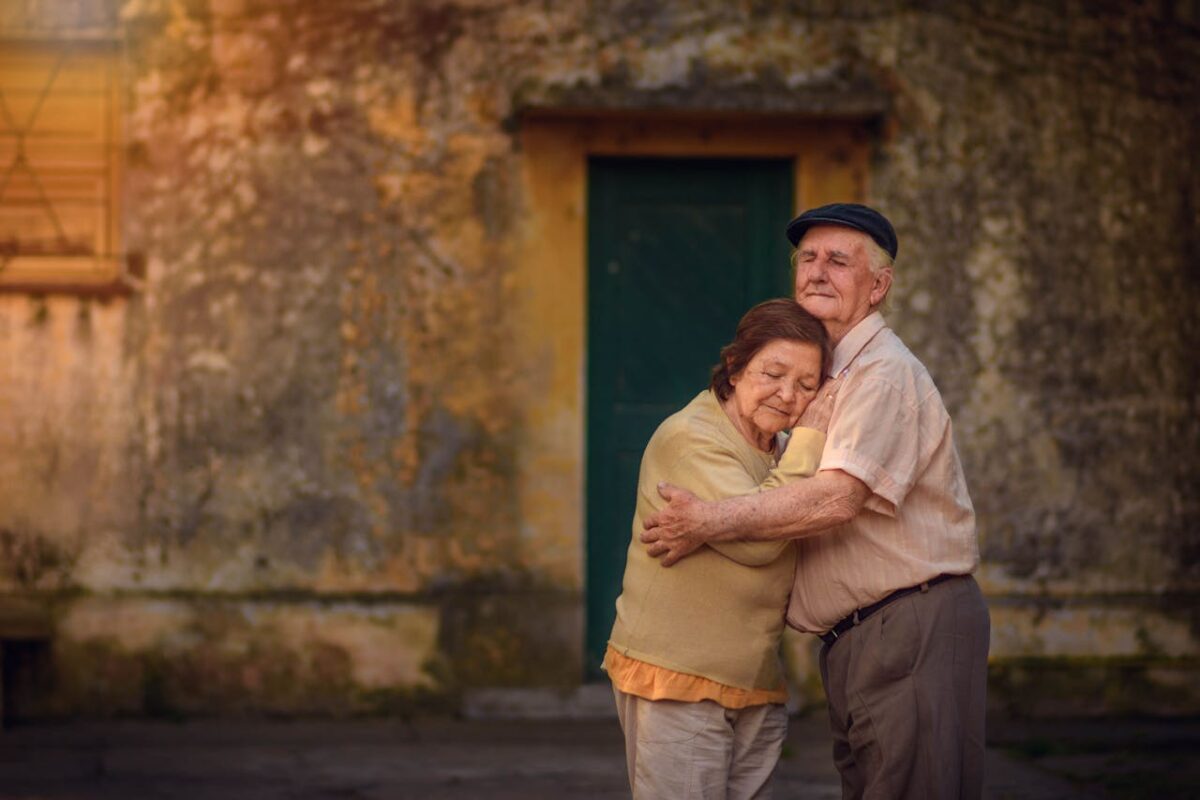
The obsession with finding the official age of oldness says more about fear than science. People want a number because a number makes aging feel controllable. If old age starts at 69, then everyone younger can feel temporarily safe. They can point at the line and say, “I am not there yet.”
But aging is not an enemy waiting at a fixed address. It is a lifelong process that begins long before anyone looks old. The smarter approach is not panic, denial, or mockery. It is building a life that remains meaningful as the body changes. The goal should not be to avoid aging. The goal should be to age without surrendering dignity.
Conclusion
Calling 69 the official age of oldness may make a catchy headline, but it is a weak way to understand human life. Aging is shaped by health, opportunity, environment, attitude, relationships, money, movement, and social respect. A number can describe time, but it cannot describe a person’s worth.
The better conversation is not about when people become old. It is about why society becomes so quick to limit them once they do. People deserve more than labels based on birthdays. They deserve the freedom to keep growing, contributing, dressing boldly, learning new skills, loving deeply, and living visibly for as long as they can.