6 Foods That Americans Either Love or Absolutely Hate
Some foods are a simple yes or no. Others can turn into a full dinner-table debate. A certain ingredient appears on a plate, and suddenly everyone has an opinion.
The foods that create the strongest reactions are often the ones with bold personalities: intense aromas, unusual textures, powerful flavors, or a history of being prepared in very different ways.
Personal taste, childhood experiences, culinary traditions, and even differences in sensory perception can all shape how someone reacts to a dish.
Here are six familiar foods that can inspire some surprisingly strong feelings.
Anchovies
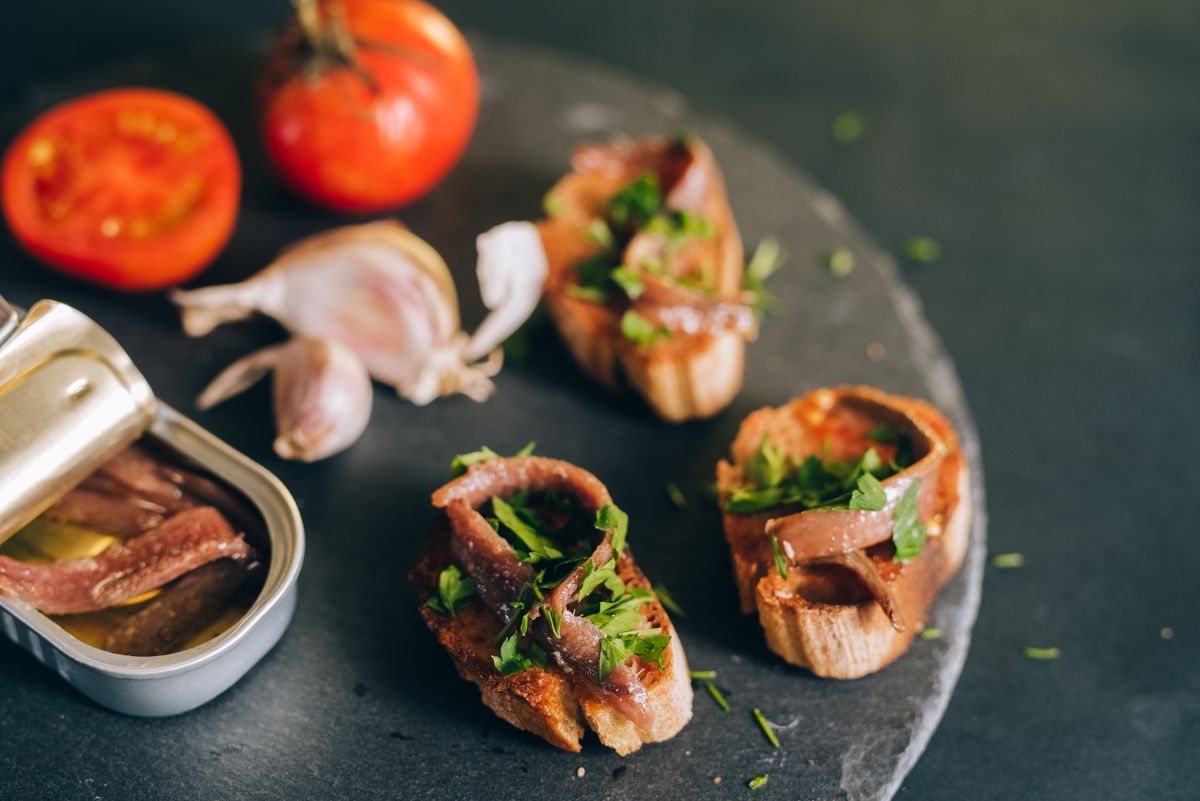
Anchovies may be small, but their flavor can make a big impression. These tiny saltwater fish are commonly cured in salt and oil and used in foods ranging from pizza and Caesar dressing to pasta sauces, tapenades, and savory condiments.
For fans, anchovies offer a concentrated salty, savory character that can add depth to a dish. When they blend into a sauce or melt into hot oil, they can become more of a background flavor than an obvious fish topping.
For others, that same intensity is exactly the problem. The strong aroma, salty taste, and soft texture can be difficult for some diners, especially when anchovies appear as a noticeable pizza topping.
According to a 2025 YouGov survey, 56% of U.S. adult citizens surveyed said they disliked or hated anchovies. In a separate 2023 YouGov pizza-topping poll, 29% of respondents named anchovies as their least favorite topping, while 1% named them their favorite.
Anchovies show how one ingredient’s biggest strength, its bold flavor, can also be the reason some people avoid it.
Liver
Liver has long been a food with a loyal following and an equally strong group of critics. This organ meat can come from animals such as beef, chicken, pork, or lamb and appears in dishes like pan-fried preparations with onions, pâté, sausage, and other traditional recipes.
People who enjoy liver often appreciate its rich, deeply savory flavor and the texture it can have when prepared well. For some diners, it also carries a sense of tradition and familiarity.
But liver’s distinctive character can be a barrier for others. Some people dislike its intense flavor, its soft or grainy texture, or simply the idea of eating an organ meat.
A 2025 YouGov survey found that 54% of Americans surveyed said they disliked or hated liver, with 40% saying they hated it.
Liver is a good example of how a food can be considered a classic by some diners while remaining a hard pass for others.
Cilantro
Cilantro is one of those herbs that can completely change the personality of a dish. It is commonly used in foods such as salsa, guacamole, tacos, curries, soups, rice dishes, and chutneys.
Fans often describe cilantro as fresh, bright, and lively, with a flavor that can bring a crisp, green note to a meal.
For some people, though, cilantro has a very different reputation. Instead of tasting fresh, it can come across as distinctly soapy.
That reaction is not simply about preference or attitude; research has found an association between cilantro flavor perception and genetic variation near olfactory receptor genes, including the candidate gene OR6A2.
The science does not mean that everyone who dislikes cilantro has the same genetic explanation. It shows that people can genuinely experience the same herb in different ways.
A 2025 YouGov survey found that roughly one-fifth of Americans who had an opinion on cilantro said it tasted like soap, while four-fifths said it did not.
Pineapple on Pizza
Few pizza toppings create as much conversation as pineapple. Most commonly associated with Hawaiian-style pizza alongside ham or Canadian bacon, pineapple brings a sweet element to a dish usually built around savory flavors.
Supporters enjoy the contrast between sweet pineapple, salty toppings, rich cheese, and tomato sauce. The fruit’s flavor and added moisture can create a combination that some diners find appealing.
Opponents often see the topping differently. Some dislike the idea of fruit on pizza, while others object to the sweetness or the extra moisture it brings to the slice.
A 2025 YouGov poll found that 48% of Americans surveyed said they liked or loved pineapple on pizza, while 44% said they disliked or hated it. Another 2023 YouGov survey found that 22% of respondents loved it, 37% liked it, 18% disliked it, and 19% hated it.
Pineapple on pizza remains a reminder that food preferences do not always follow a predictable pattern.
Beets
Beets are known for their striking colors and unmistakable flavor. These root vegetables come in varieties including red, golden, white, and pink, and they can be prepared in many ways, including roasted, boiled, pickled, or grated raw.
People who enjoy beets often like their natural sweetness, bold color, and versatility. Roasting can bring out deeper flavors, and beets are often paired with ingredients such as creamy cheese, citrus, nuts, herbs, and vinegar.
The challenge for some diners is the earthy quality that defines beets. A familiar complaint is that they taste like dirt, which is connected to the vegetable’s pronounced earthy, musty aroma and flavor. USDA-linked research identifies geosmin as the major compound behind beets’ characteristic earthy odor.
A 2025 YouGov survey found that 35% of Americans surveyed said they disliked or hated beets.
For beet fans, that earthy note is part of the appeal. For others, it is the reason the vegetable stays off the plate.
Oysters
Oysters are a food where texture and presentation can matter as much as flavor. These shellfish are commonly served raw on the half shell, but they can also be grilled, fried, roasted, baked, or used in stews and other dishes.
People who enjoy oysters often appreciate their briny taste, ocean-like character, and soft, custardy texture. Some also enjoy the subtle differences that can come with where oysters are grown.
For others, the experience is difficult to embrace. The slippery texture, very soft bite, salty flavor, and raw presentation can all make oysters unappealing.
According to a 2025 YouGov survey, 42% of U.S. adults surveyed said they disliked or hated oysters.
Oysters highlight how much texture influences the way people experience food. Sometimes the biggest dividing line between fans and critics is not the flavor itself, but the feeling of eating it.
Food preferences are rarely as simple as liking something or not liking it. Flavor, aroma, texture, familiarity, and personal sensory perception all play a role. These six foods prove that the same dish can create completely different experiences depending on who is sitting at the table.