7 Food Rules Americans Still Can’t Agree On
Someone’s kitchen can reveal a lot about the food rules they grew up with. One family keeps ketchup in the refrigerator without question. Another leaves the bottle in the pantry.
One person sees pineapple on pizza as a perfect sweet-and-savory combination, while someone else considers it a pizza mistake. And in some parts of the country, chili on a hot dog is not a debate at all; it is simply the local way to order one.
Food rules are everywhere, but they do not all come from the same place. Some come from official guidance, some from cooking traditions, some from regional identity, and others because a family has done things the same way for generations.
Here are seven food “rules” Americans still find themselves debating.
Should Ketchup Go in the Refrigerator?
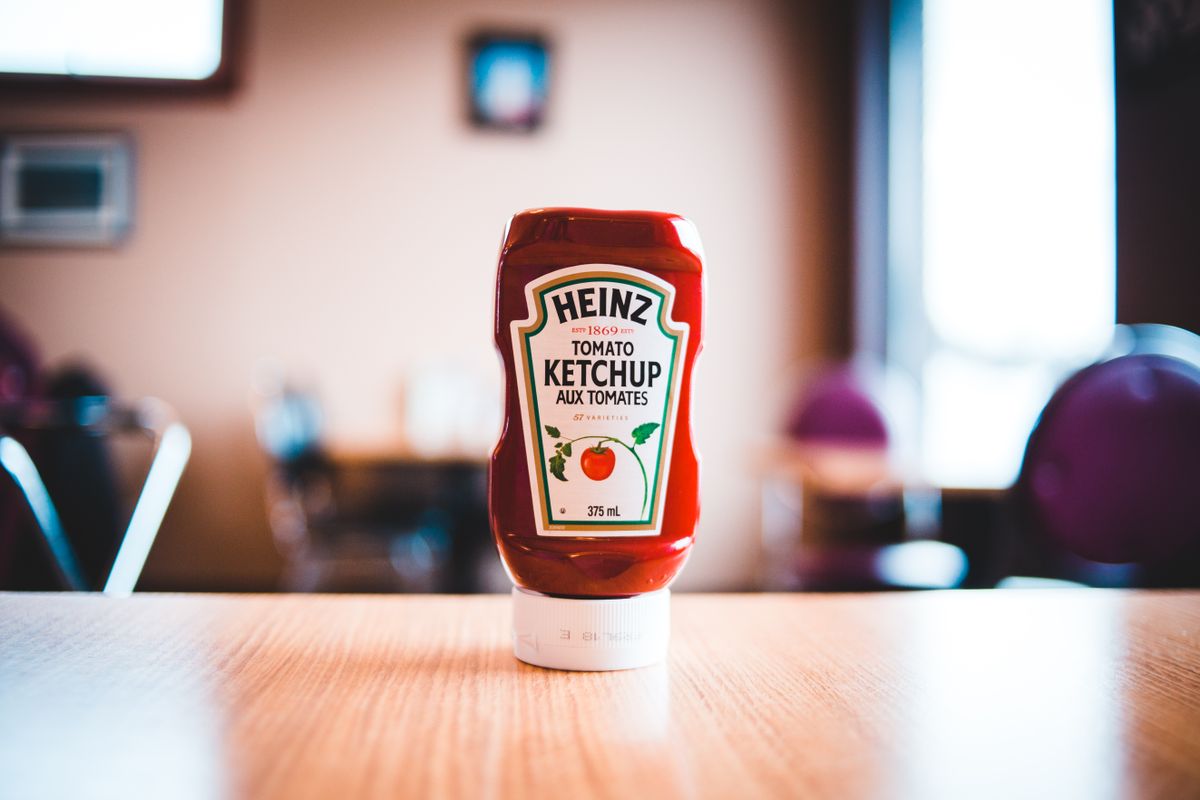
The ketchup bottle has created a surprisingly common kitchen disagreement. For some people, opening a bottle automatically means moving it to the refrigerator door. For others, commercial ketchup has always lived next to the other pantry staples.
The answer depends on what kind of ketchup is being discussed. FoodSafety.gov’s FoodKeeper information says commercial, shelf-stable ketchup can be kept at room temperature after opening, with refrigeration mainly connected to preserving quality.
Heinz, meanwhile, recommends refrigerating its ketchup after opening “for best results” and explains that ketchup’s acidity makes it shelf-stable while refrigeration helps maintain quality.
So the “rule” is not quite as simple as many households make it sound. The official storage guidance and a manufacturer’s recommendation are focused on slightly different things. For many cooks, the decision may come down to habit, space, and how they prefer to store the bottle.
Pineapple on Pizza
Few food debates get people talking faster than pineapple on pizza. Unlike many other food arguments, this one has evidence of a genuine split.
A 2025 YouGov finding showed that 48% of Americans said they liked or loved pineapple on pizza, while 44% said they disliked or hated it. The numbers varied by region as well, with 59% in the Northeast saying they disliked it, compared with 42% in each of the other regions measured.
The pizza’s history is also different from what its name might suggest. Hawaiian pizza is generally credited to Greek-born Canadian restaurateur Sam Panopoulos, who added canned pineapple at the Satellite Restaurant in Chatham, Ontario, during the 1960s. The name came from the pineapple can, not from a Hawaiian culinary tradition.
For some diners, pineapple brings a contrast they enjoy. For others, it crosses a personal pizza boundary. Either way, this is one food rule where Americans appear genuinely divided.
Ketchup With Steak
Putting ketchup on steak remains one of the most socially debated food choices, even though it is simply a matter of taste.
The Meats by Linz Consumer Steak Report found that 55% of respondents usually eat steak with a sauce. Among all respondents, 5% named ketchup as their preferred steak sauce. Reporting on the same 2022–23 survey found that 42% said they would judge a date for putting ketchup on steak.
An earlier Public Policy Polling survey found that 56% disapproved of ketchup as a steak condiment, while 27% approved.
The interesting part of this debate is not whether ketchup “belongs” on steak; it is why people react so strongly to someone else’s choice. Steak traditions often come with expectations about flavor and presentation, but personal preference remains personal preference.
Chili on a Hot Dog Depends on Where You Live
A chili dog can look completely different depending on where it is ordered. What seems unusual in one region may be a familiar tradition somewhere else.
The National Hot Dog and Sausage Council’s guide to regional hot dogs highlights several regional styles involving chili. A Michigan Coney can include a meaty chili sauce, mustard, and onion.
A Cincinnati Coney typically features Cincinnati-style chili and usually grated cheddar. In Washington, D.C., the half-smoke is traditionally served with chili, mustard, and onions.
Other regional preferences include combinations with chili, cheese, or coleslaw. A West Virginia-style version described by the council includes chili, mustard and coleslaw.
Meanwhile, New York-style hot dogs are associated with steamed onions and deli mustard, and the traditional Chicago-style topping set does not include chili.
The disagreement here is less about one correct topping and more about regional food identity. A topping that seems unusual to one person may be exactly what another person expects.
Is Mac and Cheese a Side Dish or a Main Course?
Mac and cheese has a unique ability to change roles depending on the table. At some gatherings, it is a centerpiece. At others, it is one dish among many.
The Levine Museum of the New South notes that mac and cheese can be eaten as either a side dish or a main course. The occasion, preparation, and family tradition often shape how people see it.
Cultural history matters here as well. Smithsonian reporting on food historian Adrian Miller discusses the role of mac and cheese in African American communities and its connection to celebration food traditions.
Baked mac and cheese can hold an important place at holidays, barbecues, family gatherings, and other celebrations, while boxed or stovetop versions can serve as a standalone meal.
So the question is not simply whether mac and cheese is “really” a side or “really” dinner. Its role depends on the setting, the recipe, and the people gathered around the table.
Can You Eat Breakfast Foods at Any Time?
The old convention says pancakes, eggs, bacon, and waffles belong in the morning. Modern habits suggest many Americans have moved past that rule.
Research shows that breakfast foods outside breakfast are already common. A 2019 Kantar survey commissioned by Jimmy Dean found that 80% of adults ages 18–64 said they ate breakfast foods as snacks or for breakfast-for-dinner.
A 2021 Harris Poll reported that 79% of U.S. adults had eaten breakfast foods outside traditional breakfast during the previous year. The survey found that 59% had eaten breakfast foods for dinner, 49% had eaten them for lunch, and 20% had eaten them for dessert.
Restaurants have reflected this shift too. IHOP has long promoted breakfast at any time of day, and McDonald’s said breakfast after 10:30 a.m. was its number-one consumer request before introducing national All Day Breakfast in 2015.
The “rule” may still exist culturally, but many people are already ignoring it.
Should You Rinse Pasta Before Serving?
Pasta rinsing is one of those cooking rules that depends heavily on what you are making.
Barilla advises draining pasta without rinsing because rinsing removes surface starch that helps sauce bind to noodles. However, cold water can cool noodles, stop carryover cooking, and reduce clumping, which is why rinsing can make sense for certain preparations.
Cold pasta salads, pasta that will not be sauced immediately, or recipes that specifically call for rinsing are examples where the approach can differ.
The bigger lesson is that cooking rules often depend on the final dish. A technique that works for one recipe may not be the best choice for another.
Food rules often reveal as much about where we grew up, what our families cooked and which traditions shaped our tables as they do about cooking itself.
The next time someone questions a habit in the kitchen, it may be worth asking where that rule came from. What food rule were you taught that someone else considers completely unnecessary?