Trump’s Election Speech Is About More Than 2020. It Could Redefine Who Controls America’s Voting System
When President Donald Trump takes the national stage to discuss “free and fair elections,” the biggest question may not be what claims he makes, but how far his administration is willing to go to reshape the way America conducts elections before voters head to the polls in 2026.
The upcoming primetime address arrives at a moment when election rules have become one of Washington’s most heated battles. Behind the debate over voter identification, mail ballots and voting machines is a larger constitutional question: Should election authority remain primarily in the hands of states, or should Washington play a much larger role?
That question has already moved from campaign speeches into courtrooms, congressional debates, and federal agencies.
Trump’s election agenda has created a collision between presidential power, state control and congressional authority. Supporters argue that stronger federal standards could rebuild confidence among voters who question election security. Critics warn that expanding federal control could disrupt the traditional system in which thousands of local officials administer elections.
The July 16 address could become the moment when that conflict moves from policy discussions into a national political showdown.
The Speech Could Turn Election Security Into the Defining Issue Before November
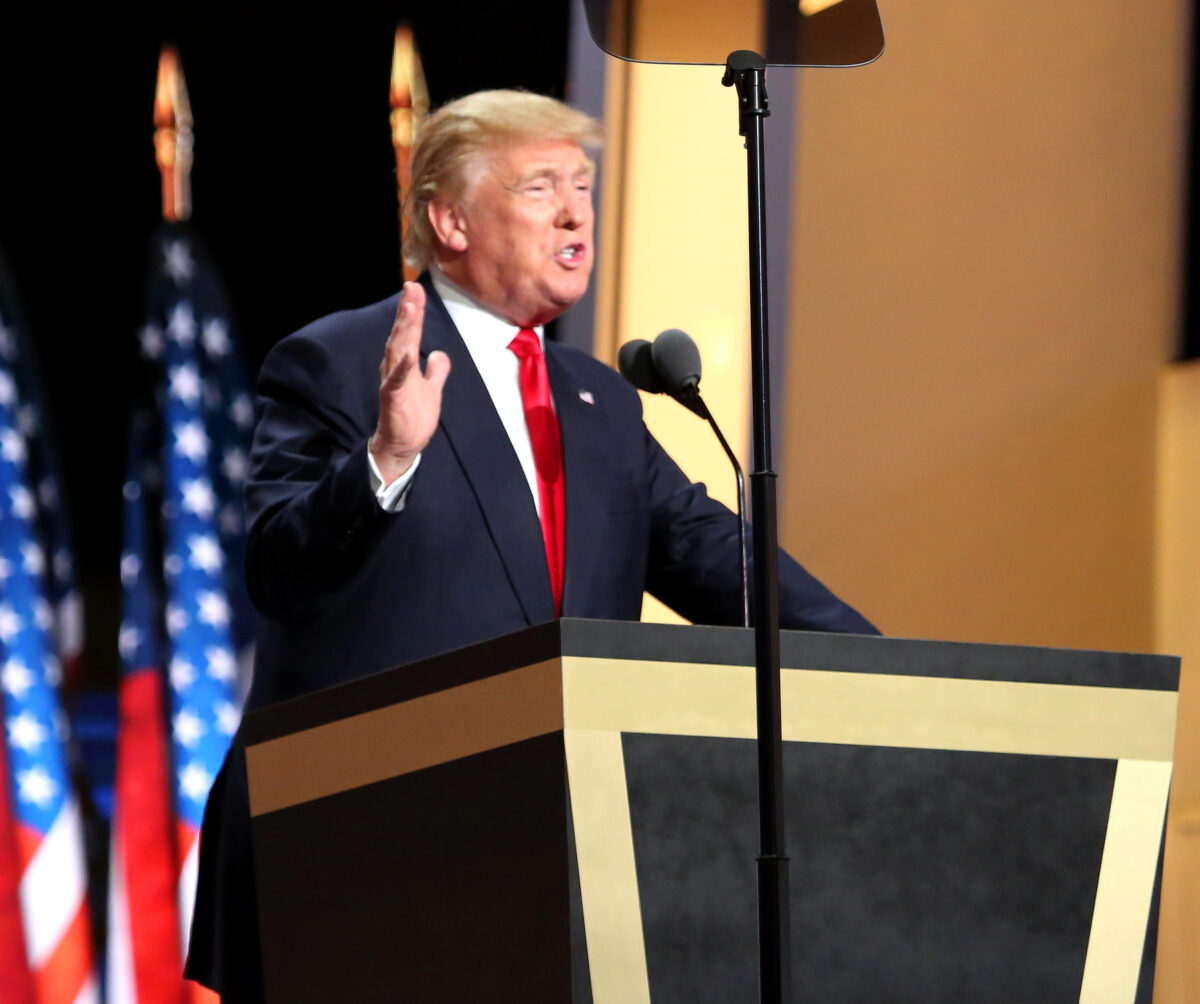
Most presidential addresses focus on a single announcement. Trump’s upcoming speech carries a different weight because it comes just months before the 2026 midterm elections.
The timing is significant.
Control of Congress will be decided by voters facing debates over inflation, immigration, foreign policy, and government spending. But election rules themselves have become a major political issue, with Republicans pushing for stricter verification requirements and Democrats warning about barriers that could affect eligible voters.
Trump has repeatedly argued that election integrity requires stronger safeguards, including proof of citizenship, photo identification requirements, and tighter controls on mail voting.
The debate is likely to intensify because election administration is already underway across the country. Local officials are preparing voter rolls, training election workers, and updating procedures before millions of ballots are cast.
The speech could therefore influence not only political messaging but also how campaigns and voters approach the upcoming election season.
The Real Fight: Federal Power Versus State Election Authority
One of the most important details missing from many discussions is that America does not have a single national election system.
Instead, elections operate through a complicated network of state laws, county election offices, and federal requirements.
States determine many details, including:
- voter registration procedures,
- ballot access rules,
- early voting policies,
- election equipment standards,
- vote-counting procedures.
The federal government has authority in areas such as protecting voting rights and regulating federal elections, but the Constitution gives states significant responsibility over election administration.
Trump’s recent executive actions have tested those boundaries.
His administration has attempted to increase federal involvement in voter registration systems and mail ballot procedures. Legal challenges have followed, with judges questioning whether the president has the authority to impose certain election rules without congressional approval.
This creates a major legal battle that extends far beyond one speech.
The outcome could influence presidential power over elections for years to come.
Voting Machines Become the Center of a Debate Over Risk Versus Proof
Another major theme expected during the address is election technology.
The debate over voting machines often combines two separate issues that are frequently confused:
Cybersecurity risks are real.
Election systems, like any technology infrastructure, require testing, security updates, and protection against possible attacks.
But proving a vulnerability exists is different from proving that votes were changed.
Election security experts have long acknowledged that voting equipment must be protected against hacking attempts, insider threats, and outdated software. That is why states conduct audits, testing procedures, and security reviews.
However, allegations that vulnerabilities affected election outcomes require evidence showing:
- Unauthorized access occurred,
- votes were altered,
- The changes affected the results.
That distinction could become one of the most important parts of Trump’s speech.
The Fulton County Investigation Adds Another Layer to the Election Debate
The address also comes as federal investigators continue examining election records connected to Fulton County, Georgia.
The county became one of the most politically significant locations after the 2020 presidential election because Georgia was decided by a narrow margin.
Federal authorities have examined election materials and records related to the county’s vote administration. The investigation has drawn intense attention because it has placed one of the most disputed election jurisdictions back in the national spotlight.
However, the legal developments surrounding the investigation have also highlighted the challenges of revisiting election disputes years later.
A federal judge recently blocked a subpoena seeking information about election workers, raising questions about privacy, government authority and the treatment of people involved in election administration.
The conflict demonstrates how election investigations can quickly become battles over both evidence and institutional power.
The SAVE America Act Could Become Trump’s Biggest Legislative Test
Beyond the speech itself, the administration’s biggest challenge may be turning election proposals into law.
The SAVE America Act represents the centerpiece of Trump’s election agenda.
Supporters say the legislation would create stronger protections by requiring proof of citizenship for federal voter registration and establishing stricter identification requirements.
Opponents argue the measures could create unnecessary obstacles because noncitizen voting is already illegal under federal law and existing safeguards are already in place.
The political challenge is just as significant as the policy debate.
Even with Republican support in the House, the legislation faces difficulty in the Senate because of the 60-vote threshold required to overcome a filibuster.
That means Trump’s speech may also serve as a pressure campaign aimed at lawmakers within his own party.
Election Workers Could Become the Forgotten Story Behind the Political Battle

While national leaders debate election policy, thousands of local election workers will ultimately carry out the rules.
County clerks, poll workers, and election administrators are responsible for:
- maintaining voter lists,
- preparing polling locations,
- testing voting equipment,
- counting ballots,
- Reporting results.
These officials have increasingly found themselves caught between national political disputes and local election responsibilities.
The pressure has contributed to recruitment challenges in some areas, with election offices needing more workers despite growing public attention and scrutiny.
The debate over election security is therefore also a debate about the people responsible for making elections function.
What To Watch During Trump’s Primetime Address
The most important details will not simply be the topics Trump raises. They will be the evidence and policy actions connected to those topics.
Several questions will determine the impact of the speech:
Will Trump present new evidence?
A major announcement would likely include specific intelligence, documents, or findings that can be independently reviewed.
Will the administration announce new actions?
Possible areas include:
- additional election investigations,
- new federal guidance,
- Pressure on Congress to pass election legislation.
Will the speech focus on the past or the future?
The political impact may depend on whether Trump focuses primarily on disputes from 2020 or outlines a forward-looking plan for election administration in 2026.
The Bigger Picture: America’s Next Election Fight May Already Be Beginning
Trump’s “free and fair elections” address is expected to be about election security. But underneath the headlines is a much larger struggle over how American elections should be managed.
The debate touches nearly every part of the democratic process:
- Who writes election rules,
- who enforces them,
- How technology is secured,
- How voters prove eligibility,
- How much authority the federal government should have.
As the country moves toward the 2026 midterms, the speech could become an early marker in a broader political and legal battle that will shape election policy long after the cameras stop rolling.