10 Warning Signs Smoking Is Hurting More Than Your Lungs
Smoking often masks its harm by making symptoms seem normal. Persistent coughs, shortness of breath, bleeding gums, fatigue, and reduced stamina are frequently attributed to stress, diet, sleep, or aging.
Cigarette smoke affects the entire body, not just the lungs. It circulates in the blood, irritates tissues, damages blood vessels, weakens the immune system, and increases disease risk. The CDC reports that smoking harms nearly every organ and causes cancer, heart disease, stroke, lung disease, type 2 diabetes, reproductive harm, eye disease, and immune problems.
Here are some warning signs to watch for.
A Cough That Keeps Coming Back
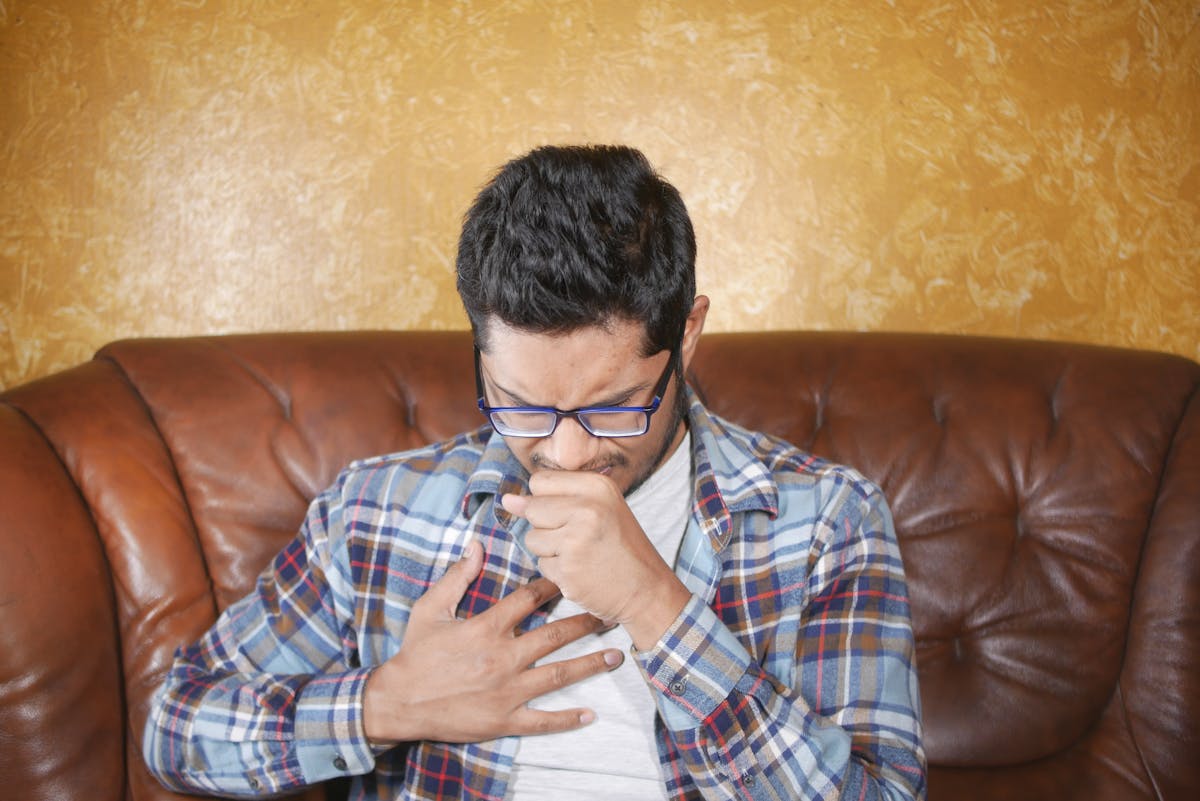
A persistent cough should not be ignored, especially for smokers. Morning coughing, mucus, or chest tightness after activity are not normal. These symptoms may indicate airway irritation and inflammation.
Over time, these symptoms may indicate chronic bronchitis or COPD, a long-term lung disease that impairs breathing. The CDC states that smoking causes up to 80% of COPD-related deaths. Persistent coughing, wheezing, shortness of breath, and fatigue should be considered early warning signs.
You Get Winded Doing Simple Things
While breathlessness after intense exercise is expected, becoming winded during routine activities such as walking or climbing stairs is concerning. Smoking damages lung air sacs and reduces oxygen transfer, making everyday tasks more difficult.
This kind of breathlessness can creep in slowly, which is why many people brush it off. They say they are out of shape, tired, or getting older. Those may play a part, but smoking-related lung damage can also be hiding underneath. When normal movement starts feeling like a chore, the lungs deserve attention.
Your Chest Feels Tight or Heavy

Chest tightness may present as pressure, heaviness, or intermittent discomfort during activity, stress, cold weather, or rest. Smoking narrows blood vessels, increases the risk of clotting, and reduces oxygen supply, placing additional strain on the heart and circulatory system.
This symptom should not be ignored. Smoking is a major risk factor for heart disease and stroke, and secondhand smoke also harms the cardiovascular system. Chest discomfort, especially when accompanied by sweating, nausea, dizziness, jaw or arm pain, or shortness of breath, requires prompt medical attention.
Your Gums Bleed or Your Teeth Feel Loose
Smoking not only stains teeth. It can damage the gums, weaken blood flow in the mouth, and make it easier for infection to spread quietly. Some smokers do not notice gum disease early because smoking can reduce bleeding, which means the problem may look less dramatic than it really is.
Gum disease can destroy the bone that supports the teeth and eventually lead to tooth loss. That makes bleeding gums, receding gums, bad breath, loose teeth, or painful chewing more than a dental inconvenience. They can be signs that tobacco is weakening the mouth’s natural defenses and turning everyday bacteria into a bigger problem.
Cuts, Sores, or Dental Work Heal Slowly
The body needs oxygen-rich blood to repair itself. Smoking works against that process. It narrows blood vessels, lowers oxygen delivery, and weakens immune response, which can slow healing after cuts, infections, surgery, dental treatment, or even small wounds that should close quickly.
Slow healing may look harmless at first. A sore lingers. A gum problem keeps returning. A small cut keeps getting irritated. For people who smoke, this pattern can be a sign that the body is struggling to repair damage efficiently. It also matters because slow healing raises the risk of infection and complications.
Your Feet Feel Cold, Painful, or Slow to Heal
Smoking can damage blood vessels throughout the body, including the vessels that supply the legs and feet. Poor circulation may manifest as cold feet, numbness, cramping, pain while walking, or wounds that take longer to heal. These signs matter even more for people with diabetes, because diabetes already raises the risk of circulation problems.
Smoking can increase the risk of type 2 diabetes and make diabetes harder to manage. The CDC also warns that smoking can worsen diabetes complications, including poor blood flow in the legs and feet. When circulation suffers, small foot problems can become serious fast.
Your Vision Starts Changing
Blurry vision, trouble seeing at night, cloudy eyesight, or difficulty reading small print can come from many causes. Age, screen strain, diabetes, and eye disease can all play a role. Smoking adds another risk because it can damage blood vessels and tissues in the eyes.
Smoking is linked to eye diseases and vision problems, including age-related macular degeneration and cataracts. The scary part is that vision loss can build slowly before it becomes obvious. If eyesight changes keep appearing, especially in a smoker, the eyes should not be treated as a separate issue from the rest of the body.
Your Sex Life Changes Without a Clear Reason

Smoking can affect sexual health because it damages circulation. For men, healthy erections depend on strong blood flow, and smoking can narrow the blood vessels needed for that process. Erectile dysfunction can therefore be one of the more personal signs that tobacco is affecting the cardiovascular system.
Erectile dysfunction is not solely a matter of confidence or relationships; it can indicate broader vascular problems. Research identifies cigarette smoking as an independent risk factor for erectile dysfunction due to its impact on cardiovascular health. Any change in sexual performance warrants medical attention.
Fertility or Pregnancy Problems Keep Appearing
Smoking can interfere with reproductive health in ways many people do not connect to cigarettes. It can make pregnancy harder to achieve, affect sperm health, raise the risk of pregnancy complications, and harm fetal development. These risks matter before pregnancy, during pregnancy, and around people exposed to secondhand smoke.
Smoking during pregnancy has been linked with serious outcomes, including premature birth, low birth weight, and certain birth defects. It is also associated with ectopic pregnancy, a dangerous condition where a fertilized egg implants outside the uterus. For anyone planning a family, smoking is not a side issue. It can shape the health of both parent and baby.
You Keep Ignoring Symptoms Because You “Still Feel Fine”

One of the most dangerous signs is the belief that nothing is wrong simply because symptoms are not obvious. Smoking-related harm often develops silently over the years. Cancer, heart disease, COPD, gum disease, eye disease, and circulation problems may not present early symptoms.
The National Cancer Institute links tobacco use to many cancers, including cancers of the lung, mouth, throat, bladder, kidney, liver, stomach, pancreas, colon, rectum, cervix, and acute myeloid leukemia. That is why “I feel fine” is not a strong defense against smoking damage. The body can stay quiet even as risk rises.
Conclusion
Smoking is not just a lung habit with a lung problem attached to it. It can show up in the cough that will not quit, the stairs that suddenly feel harder, the gums that bleed, the feet that heal slowly, the vision that changes, or the energy that keeps slipping away.
The strongest move is to stop before small signs cause permanent damage. Quitting can improve circulation, protect the lungs from further harm, lower disease risk, and give the body a better chance to repair itself. The sooner the cigarettes lose control, the sooner the body gets room to fight back.