9 Cheap Grocery-Store Ingredients That Can Make a “Nothing for Dinner” Meal Taste Like a Real Plan
A great cheap dinner does not need a restaurant-size shopping list or a complicated recipe. A few smart grocery-store staples can change the whole mood of pasta, beans, eggs, rice, frozen vegetables, or a pack of ground meat, adding brightness, richness, savory depth, crunch, or heat without making the meal harder to pull off.
The secret is not buying every trendy condiment at once. It is learning which inexpensive ingredients solve the most common weeknight problem: the food is cooked, but it still tastes a little flat. Texas A&M’s food-science guidance puts it plainly: salt enhances and balances flavor; fats add richness; acids such as vinegar and citrus brighten dishes and balance richness; aromatics create a flavorful foundation; and ingredients such as tomato products, broth, soy sauce, and Worcestershire add varying degrees of savory depth.
Tomato Paste Is the $2 Flavor Shortcut

Tomato paste is one of those pantry ingredients that can quietly rescue dinner when the fridge is looking sparse. It is concentrated, inexpensive, shelf-stable before opening, and useful far beyond spaghetti sauce. A spoonful can add body to canned beans, make a skillet of ground beef taste more intentional, turn plain rice into the base for a satisfying bowl, or deepen a quick vegetable soup without a long simmer.
The move is to cook the paste briefly in oil or butter before adding liquid. That gives it time to darken slightly and lose some of its raw, tinny edge. Then it can become the backbone of a fast sauce with pasta water, canned tomatoes, broth, or even a splash of cream. Texas A&M notes that tomatoes provide acidity, umami, and color, three jobs that make a modest meal feel more complete.
Try it with one can of white beans, garlic, onion, tomato paste, broth, and a handful of greens. Serve it with toast, pasta, or rice, and it goes from “pantry dinner” to something worth repeating. The point is not to disguise cheap food; it is to give everyday ingredients the concentrated flavor base they often need.
Acid Makes Rich Food Wake Up
A bottle of vinegar or a lemon can be the difference between a heavy dinner and one that tastes balanced. When a dish is rich, salty, creamy, starchy, or simply a bit dull, a small amount of acid often brings the other flavors back into focus. That is why a splash of vinegar belongs in a pot of beans, why lemon works so well with pasta and roasted vegetables, and why pickled ingredients can make a simple sandwich or grain bowl feel more lively.
Acid is more than a vague chef’s trick. Texas A&M’s food-science materials say vinegar and citrus brighten flavors, tenderize proteins, and balance richness. The same guidance lists wine, tomatoes, and fermented foods among useful sources of acidity in cooking. Samin Nosrat, author of Salt, Fat, Acid, Heat, has built her cooking philosophy around the idea that good food depends on balancing those four elements. As she told NPR, “It is all about getting that nice, tangy balance in a bite, in a meal or in a dish.”
A practical rule: add acid near the end, then taste. Start with a small splash of apple cider vinegar in lentils, red wine vinegar in sautéed mushrooms, rice vinegar in fried rice, or lemon juice over buttery pasta. You are not trying to make the meal sour. You are trying to make it taste less like it has been sitting under a blanket.
Related: New Grocery Store in Pearland? La Michoacana Meat Market Project Moves Forward
Soy Sauce, Parmesan, and MSG Bring the Savory Drama
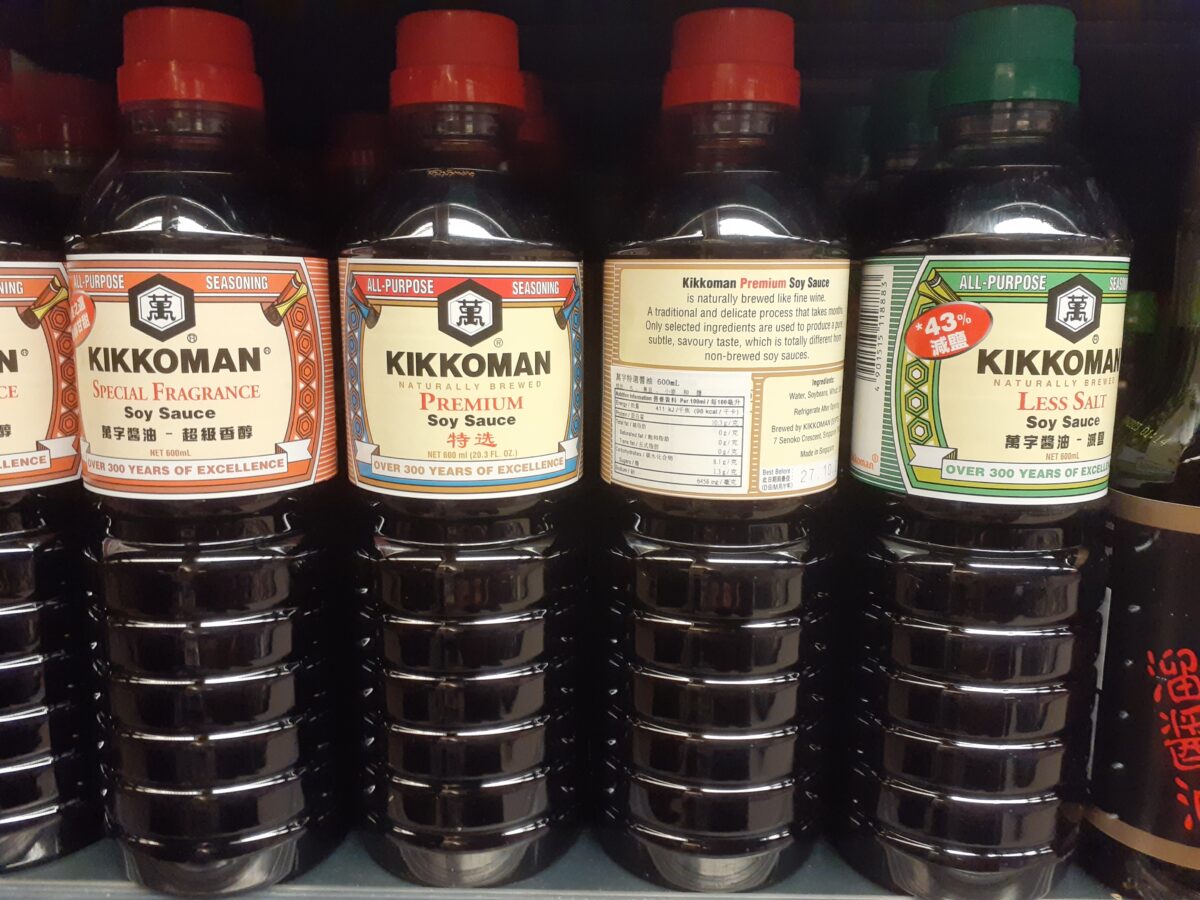
For dinners built around rice, noodles, eggs, vegetables, beans, or inexpensive cuts of meat, savory ingredients can do the heavy lifting. Soy sauce is a classic because it brings salt and umami at once; Parmesan offers salty richness and a nutty finish; and Worcestershire sauce can add depth to soups, marinades, meat sauces, and skillet meals. Texas A&M specifically identifies soy sauce and fish sauce as sources of umami and saltiness, while Worcestershire sauce adds “umami and depth” to marinades.
Then there is MSG, the pantry ingredient that has spent years being unfairly treated like a culinary villain. The U.S. Food and Drug Administration describes MSG as a flavor enhancer and says it is generally recognized as safe. The agency also notes that glutamate occurs naturally in foods including tomatoes and cheeses, as well as ingredients such as yeast extract and soy extracts. In other words, the savory quality people love in tomato sauce, Parmesan, mushrooms, and deeply seasoned broth isn’t some mysterious restaurant-only magic.
Harvard Health explains that MSG is made from sodium and L-glutamic acid, which occurs naturally in umami-rich foods including tomatoes, anchovies, mushrooms, and Parmesan cheese. It adds that MSG can intensify umami in soups, sauces, broths, and similar dishes. A small pinch in a pot of beans, vegetable soup, stir-fry, or meat sauce can make a low-cost meal taste more rounded, but use it thoughtfully, because soy sauce, cheese, bouillon, and packaged seasonings may already contribute plenty of sodium.
You don’t need to turn dinner into a chemistry experiment. Think of these ingredients as flavor tools. Tomato paste adds depth and color. Vinegar or lemon gives it lift. Soy sauce, Parmesan, Worcestershire, or MSG supplies savory dimension. Butter or olive oil brings richness, while garlic and onions build the aromatic base. These aren’t fancy tricks; they’re practical building blocks that make a basic bowl of rice and beans, eggs and toast, or pasta with frozen vegetables taste like a real meal.