8 American Foods That Are Banned or Restricted in Other Countries
Walk into an American grocery store, and you’ll find shelves filled with colorful candies, soft drinks, packaged breads, and processed snacks. Many are everyday favorites that shoppers rarely think twice about buying.
But some foods commonly associated with the United States face very different rules overseas. Ingredients allowed in American products may be banned in Europe, while certain meats and even ordinary chewing gum face restrictions elsewhere.
The differences have sparked debate about food safety, consumer protection, and why countries sometimes reach different regulatory decisions about the same ingredients.
However, there’s an important distinction: most of these foods aren’t completely banned overseas. Instead, particular ingredients, production methods, or formulations are prohibited. Here are eight examples that might surprise American shoppers.
Packaged Bread Made With Potassium Bromate
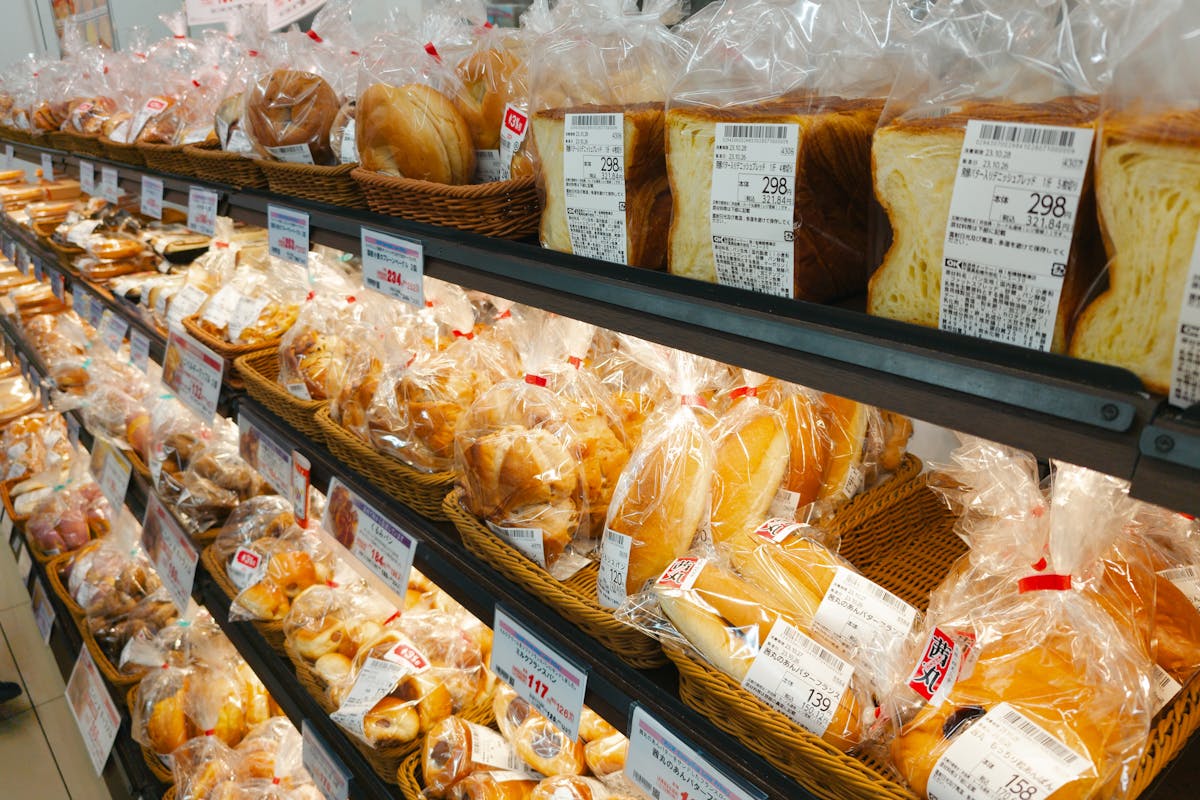
Soft, fluffy sandwich bread is a staple in American households, but certain formulations contain an ingredient that isn’t permitted in many other countries.
The ingredient has historically been used in commercially produced bread and other baked goods.
However, the European Union does not authorize potassium bromate as a food additive. Several other countries, including Canada, have also prohibited its use in food.
Concerns have centered on toxicological evidence, including findings from animal studies.
In the United States, the Food and Drug Administration still permits potassium bromate under specified conditions while reviewing available scientific information.
Many American bakeries have already switched to alternative dough conditioners.
The difference doesn’t mean American bread as a whole is banned in Europe. Bread made without prohibited ingredients can still be sold there.
Consumers who want to check their purchases may see potassium bromate listed directly on an ingredient label.
Brightly Colored Candy Containing Titanium Dioxide
Some candies and sweet treats have traditionally relied on titanium dioxide to achieve a bright, opaque appearance.
The additive, also known as E171, has been used in confectionery, frosting, baked goods, and other products.
But the European Union withdrew authorization for titanium dioxide in food in 2022.
The decision followed an evaluation by the European Food Safety Authority.
Scientists concluded that concerns about possible genotoxicity, meaning the potential to damage genetic material, could not be ruled out.
That doesn’t mean researchers established that every food containing the additive causes harm. Rather, they determined that the available evidence couldn’t support a safe daily intake level.
The United States has continued allowing titanium dioxide in certain foods under regulated conditions.
Consequently, an American candy formulation containing the ingredient may need to be changed before it can be sold in the European Union.
It’s a notable example of how the same sweet treat can have different ingredient lists depending on where it is manufactured and sold.
Related:37 of The Weirdest and Most Unconventional Delicacies in the U.S
Certain American Beef Products From Hormone-Treated Cattle
Americans love beef, whether it’s grilled steak, homemade burgers, or barbecue brisket.
However, some beef produced in the United States cannot legally enter the European Union because of how the animals were raised.
Certain American cattle producers use approved hormonal growth promoters to support production efficiency.
The European Union prohibits hormones for growth promotion in farm animals and restricts imported meat produced with those treatments.
These restrictions have fueled trade disputes between American and European authorities for decades.
European regulators cite concerns about hormone residues, while American authorities have challenged aspects of the European scientific and regulatory approach.
Importantly, American beef itself isn’t universally prohibited.
Beef produced without prohibited growth-promoting hormones can enter the European market if it satisfies applicable import requirements.
The rules primarily concern production practices rather than whether a steak is American.
For shoppers, this illustrates how food regulations sometimes begin long before a product reaches the grocery store.
Related:20 Quintessentially American Foods That Will Make Foreigners Gag and Cringe!
Some American Pork Produced Using Ractopamine
Pork chops, bacon, ham, and other pork products are familiar features of American kitchens.
But certain pork production practices have complicated international trade.
One controversial substance is ractopamine, a feed additive used in some livestock production systems to promote lean muscle growth.
Ractopamine has been permitted for specified agricultural uses in the United States.
However, the European Union prohibits its use in food-producing animals.
European regulators have cited insufficient evidence to establish acceptable residue limits for the substance.
Consequently, pork intended for markets that prohibit ractopamine must meet their production and residue requirements.
This doesn’t mean every American pork product contains ractopamine or that all American pork is rejected overseas.
Many producers participate in programs designed to meet the requirements of particular export markets.
The restriction demonstrates that international food rules cover more than additives mixed directly into packaged products.
Bread and Baked Goods Made With Azodicarbonamide
Another ingredient that has attracted attention is azodicarbonamide, often abbreviated as ADA.
The substance has been used in some American commercial bread products as a flour treatment agent and dough conditioner.
It helps modify dough characteristics during production.
However, the European Union does not authorize azodicarbonamide as a food additive.
The FDA permits its use in the United States under specific conditions, including limits on the amount that can be added to flour.
The agency has also evaluated concerns involving breakdown products that can form during food processing.
Despite those concerns, the FDA says it does not currently recommend that consumers change their diets specifically because of exposure to ADA-treated flour products.
Many major food manufacturers have reformulated their bread products over the years, choosing alternative ingredients.
The takeaway is that a particular bread formulation may be prohibited overseas, even though similar bread products remain perfectly legal.
Consumers can identify azodicarbonamide when it is included in a food’s ingredient declaration.
Citrus Soft Drinks That Once Contained Brominated Vegetable Oil
Some brightly colored American soft drinks once contained an ingredient called brominated vegetable oil, or BVO.
The substance was used in certain citrus-flavored beverages to keep flavoring oils evenly distributed.
Without a suitable stabilizer, some flavoring ingredients can separate from the liquid.
Several countries, including those in the European Union, restricted BVO long before the United States prohibited its use.
That changed in July 2024, when the FDA announced it was revoking authorization for BVO in food.
The agency concluded that, based on updated research, the ingredient’s intended use could no longer be considered safe.
The rule became effective in August 2024, with a one-year compliance period.
By 2026, BVO was no longer an authorized food ingredient in the United States either.
Many beverage manufacturers had already reformulated their products before the federal decision.
So while older articles frequently describe BVO-containing sodas as American drinks banned overseas, that comparison is now outdated.
It’s an example of American regulations eventually changing in response to scientific evidence and regulatory review.
American Chewing Gum in Singapore
Chewing gum is an ordinary purchase in the United States.
Americans can find peppermint, fruit-flavored, and bubble gum at convenience stores, supermarkets, and gas stations.
But Singapore treats ordinary chewing gum very differently.
The country strictly restricts imports of conventional chewing gum.
Its rules generally prohibit commercial imports, although certain approved dental and medicinal gums qualify for exceptions.
The restrictions were introduced to address problems involving discarded gum and public cleanliness, including damage to public infrastructure.
For American gum manufacturers, those rules prevent them from marketing ordinary chewing gum products in Singapore the same way they do in the United States.
However, it’s misleading to claim that simply chewing gum in Singapore is automatically illegal.
The country’s restrictions focus substantially on importation and commercial distribution, with specific exemptions.
Unlike many other examples, this restriction is not primarily about a controversial food additive.
Instead, it reflects a country’s approach to public cleanliness and consumer-goods regulation.
Chicken Processed With Certain Chemical Rinses
American chicken has also become part of a longstanding international food debate.
Some U.S. poultry processors use approved antimicrobial treatments during processing to reduce bacterial contamination.
These can include chemical rinses and other interventions permitted under American food safety regulations.
The European Union takes a different approach.
Its regulations generally prohibit chemical decontamination treatments on poultry carcasses unless the substances are specifically authorized.
This regulatory difference has contributed to trade disagreements involving what is commonly called chlorine-washed chicken.
The restrictions do not mean all American chicken is unsafe or that every U.S. processing facility uses identical methods.
American regulators and European authorities employ different food safety frameworks, including different rules concerning chemical interventions and production controls.
Chicken meeting the EU’s applicable sanitary and import requirements is treated differently from poultry processed using methods that aren’t permitted there.
The controversy shows how disagreements over manufacturing practices can affect international food trade even when consumers buy an otherwise familiar product.
Why Are Food Regulations So Different Around the World?
The contrast between American and international food regulations often raises an obvious question: if an ingredient is permitted in one country, why would another prohibit it?
Part of the answer involves different legal standards and approaches to scientific uncertainty.
Regulators must consider toxicological research, exposure levels, manufacturing practices, and available alternatives.
They may also place different emphasis on precaution when the evidence is incomplete.
These differences don’t automatically establish that one country’s entire food supply is safer than another’s.
Rules also change over time.
For example, the United States previously allowed brominated vegetable oil under restrictions but later prohibited it.
In January 2025, the FDA also revoked authorization for Red No. 3 in foods, giving manufacturers until January 15, 2027, to comply.
Interestingly, Red No. 3 isn’t entirely banned in Europe. Known there as erythrosine, it remains permitted for certain cherry products under specific conditions.
That’s why claims that a familiar American candy is banned across Europe simply because it contains a particular dye should always be checked carefully.
What American Shoppers Should Know
The key takeaway is that “banned” doesn’t always mean what dramatic headlines suggest.
Sometimes a country prohibits a specific additive rather than an entire food category. Other restrictions involve agricultural practices, import standards, or rules about how products can be marketed.
American companies frequently reformulate products to satisfy different international regulations.
Consumers who want to learn more can read ingredient labels and consult official food safety agencies for more reliable information than viral social media claims.
Ultimately, the differences reveal how complicated the global food industry has become.
A familiar American product might require a completely different recipe, production process, or regulatory approval before reaching shelves overseas.
Other Posts You Might Like:
10 Foods You Might Be Surprised Are Banned or Restricted in the United States
6 Foods You Probably Didn’t Know Are Heavily Restricted in the United States