8 Cooking Rules Chefs Never Follow
Cooking rules often have a reputation as the steadfast commandments of the culinary world, guiding home cooks and professionals alike toward the perfect dish.
However, as any seasoned chef knows, the kitchen is a place for experimentation, adaptation, and, at times, throwing the rulebook out the window. In fact, many of the rules that chefs are expected to follow are often broken behind closed kitchen doors. Let’s take a closer look at the eight cooking rules that the professionals rarely abide by, and discover why they break them.
Always Follow the Recipe Exactly
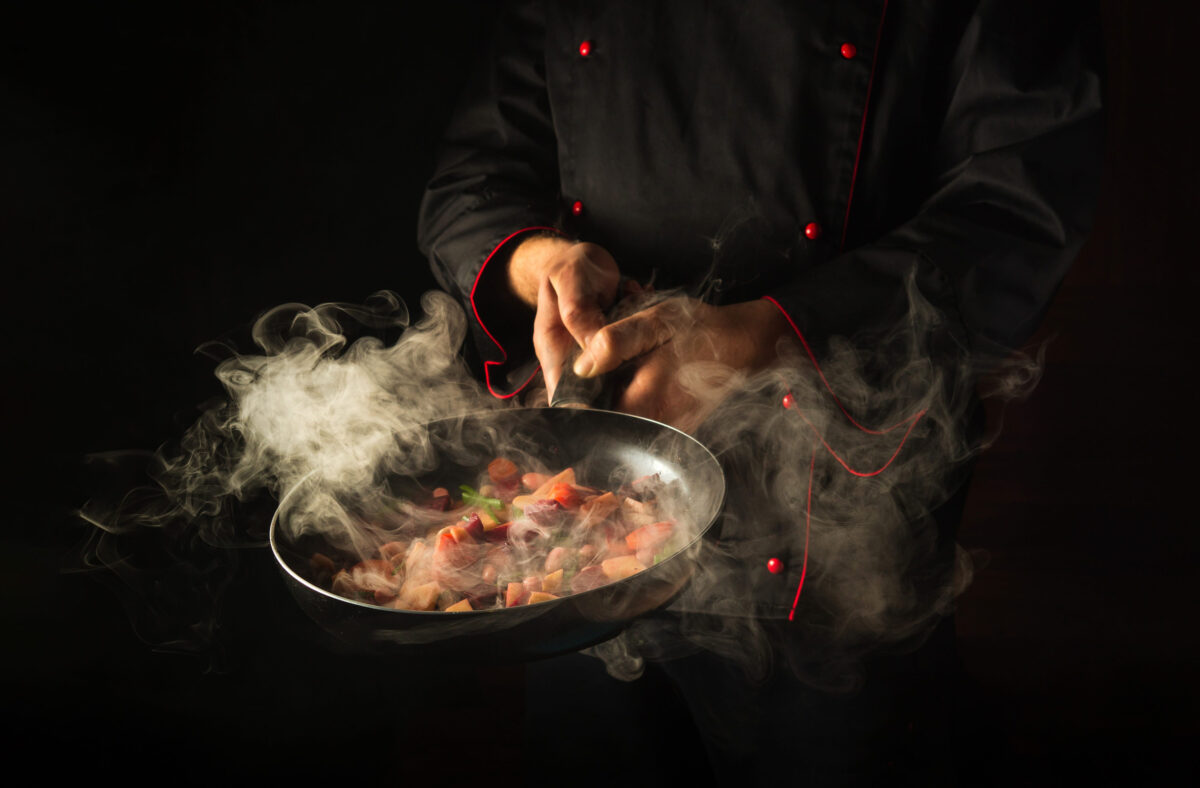
While following a recipe to the letter can lead to a solid dish, chefs are masters of improvisation. Recipes are often seen as guidelines rather than rigid instructions. A chef’s intuition and experience allow them to make decisions based on the quality of ingredients, the specific dish, and even the mood of the moment. Adjusting seasonings, swapping ingredients, or even changing cooking methods mid-recipe is part of the artistry of cooking. For chefs, the kitchen is all about understanding the fundamentals and knowing when to trust their instincts rather than rigidly following instructions.
Chefs often break this rule because they understand the value of experimentation. Whether it’s adding a personal twist to a classic dish or improvising based on available ingredients, creativity is a key ingredient in a chef’s work. A dish doesn’t need to taste the same every time; it should evolve and reflect the creativity of the cook.
Searing Meat Seals in the Juices
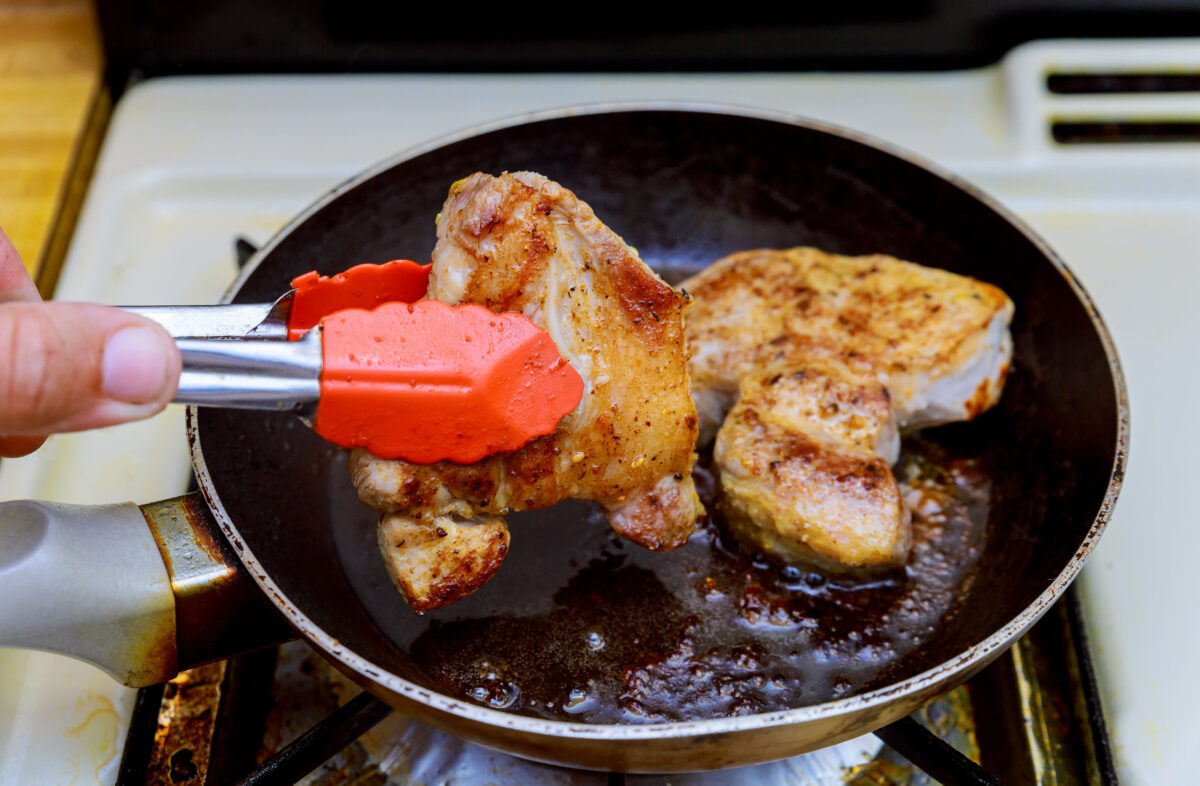
A common belief in the culinary world is that searing meat seals in its juices. This myth has been debunked by many chefs, who know that searing has very little impact on a meat’s juiciness. What searing accomplishes is creating a flavorful crust and adding depth to the dish through the Maillard reaction. The real secret to juicy meat lies in the cooking method and temperature control, not in the searing process.
Chefs prefer cooking meat low and slow, allowing it to retain moisture and develop richer flavors. Whether it’s sous vide, slow roasting, or braising, chefs know that the key to a tender, juicy piece of meat lies in precise temperature control and patience.
Use Only Fresh Herbs
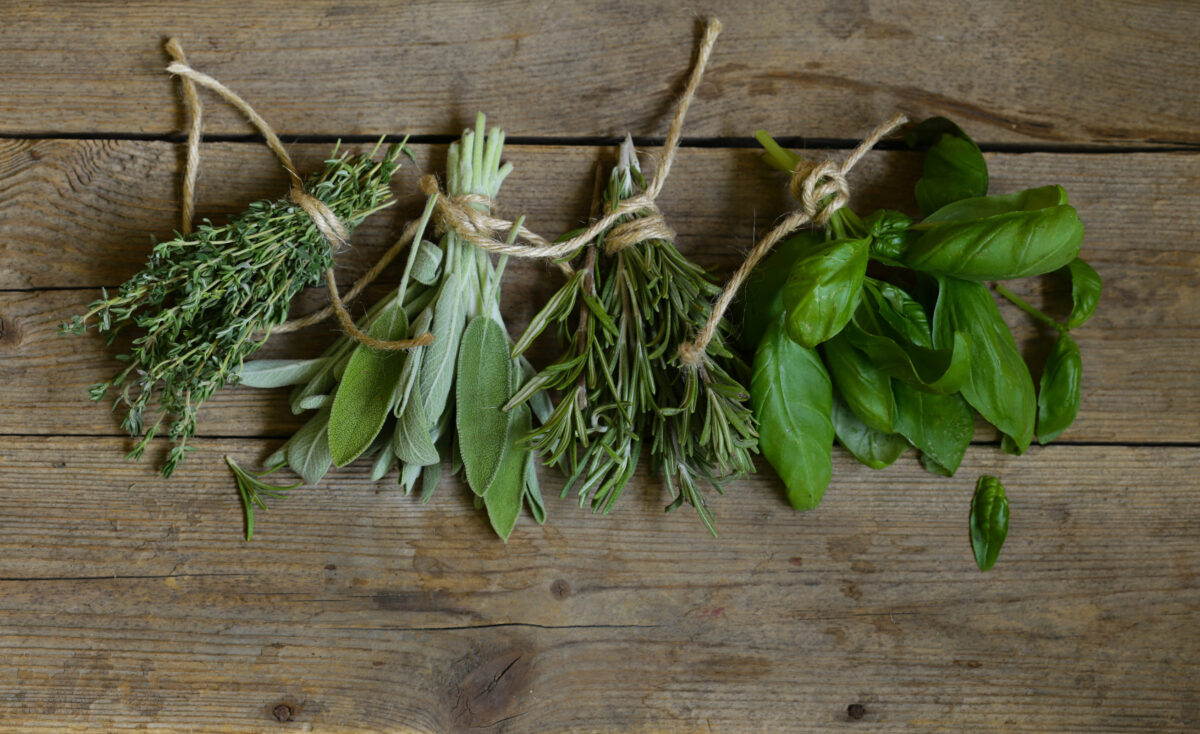
Fresh herbs are a cornerstone of many recipes, but that doesn’t mean chefs always stick to fresh when dried herbs will do. While fresh herbs are fantastic for adding brightness and fragrance, dried herbs can offer a more concentrated flavor, especially when they’re toasted or rehydrated properly. Chefs often keep a stock of dried herbs in their kitchens and use them strategically to bring a deeper, more nuanced flavor profile to a dish.
For certain dishes, like slow-cooked stews or marinades, dried herbs actually have the advantage over fresh, as they have time to rehydrate and release their flavors into the sauce or liquid. In the fast-paced kitchen, dried herbs are often more practical and offer chefs a bit more flexibility in their cooking.
Don’t Use Oil in the Water for Pasta
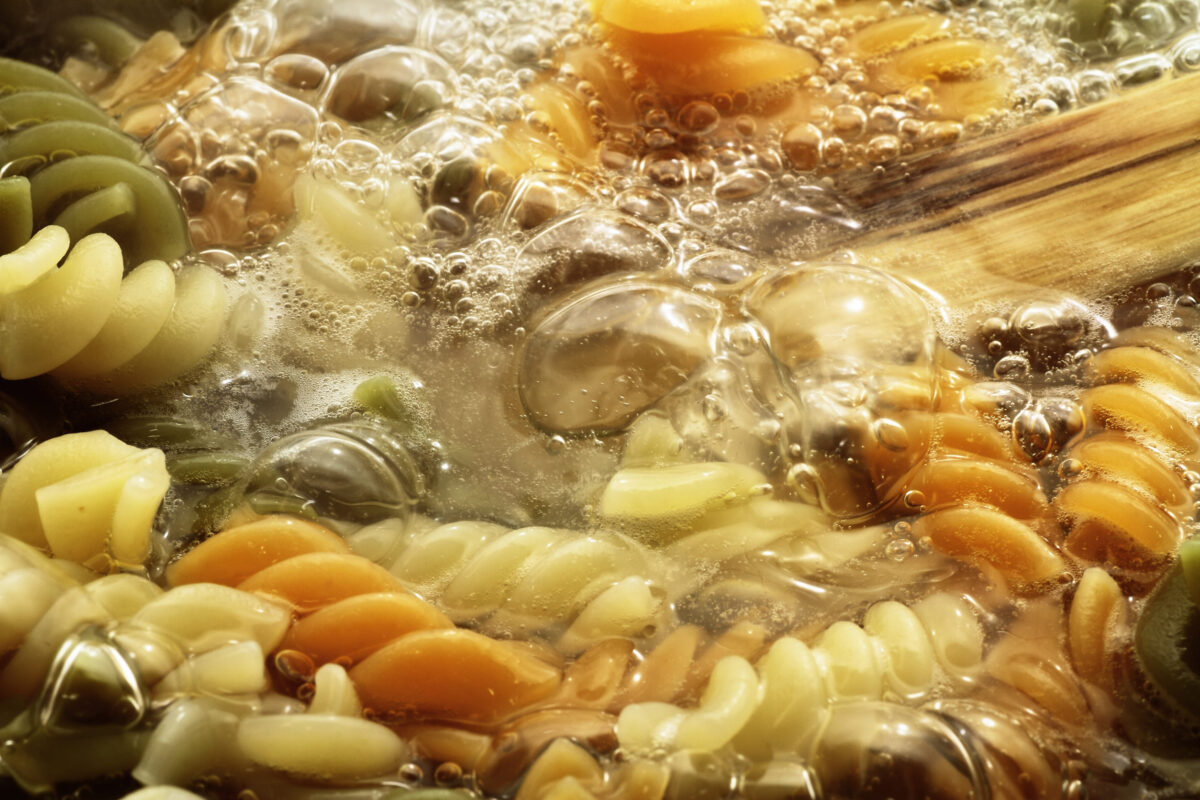
A common rule among home cooks is to add oil to the water when cooking pasta, supposedly to prevent it from sticking. However, chefs know that oil doesn’t really prevent pasta from sticking. In fact, it can even make sauces slide off the noodles once they’re cooked. The key to preventing pasta from sticking is to use enough water and stir it occasionally.
Chefs also advocate generously salting the water to enhance the pasta’s flavor. The real trick is to cook the pasta al dente, so it retains texture and doesn’t clump. By focusing on the right amount of water, salt, and attention to timing, chefs can avoid the need for oil altogether.
Always Use Salt Sparingly
Salt is often viewed as the villain in many diets, but chefs know that seasoning is about balance, not moderation. Salt enhances flavors, brings out the natural taste of ingredients, and can even transform a dish. While it’s true that too much salt can ruin a dish, chefs tend to use it more liberally than most home cooks are comfortable with. They understand the importance of seasoning at every step of the cooking process, not just at the end.
Chefs often season in layers, adding salt at various stages of cooking to build depth and complexity. From the vegetables sautéed at the beginning to the final finish, salt is essential for achieving a balanced, harmonious flavor. So, next time you’re cooking, don’t hesitate to use salt to your advantage—just remember to taste as you go.
Let Meat Rest Before Slicing
The rule of letting meat rest before slicing it is meant to redistribute the juices throughout the meat. While this is a valid technique, chefs often skip this step in favor of plating quickly to keep the momentum going, especially in a busy kitchen. The truth is, chefs are trained to recognize the exact moment when a piece of meat is at its ideal temperature and texture, allowing them to serve it immediately without worrying about resting.
In some cases, chefs might even slice the meat right after cooking, especially if it’s a steak that will be paired with a sauce. The key is knowing your ingredients well enough to confidently disregard this resting rule when necessary. For example, with thinner cuts of meat like pork chops or chicken breasts, resting is not as critical, and immediate slicing can actually be beneficial.
One Pan for Everything
The concept of using a single pan for all cooking is often touted as the way to simplify life in the kitchen. While a great idea in theory, chefs know that different ingredients require different cooking techniques and tools. Trying to cook everything in one pan can result in overcooked or unevenly cooked food. Chefs often reach for multiple pans, each suited for the specific task at hand.
Searing meat in one pan, then finishing the vegetables in another, or using a separate pot for sauces, allows chefs to better control the cooking process. Additionally, using the right tools for the right job ensures that each ingredient receives the attention it deserves, resulting in a more flavorful, harmonious dish.
Cooking Is All About Precision
While precise measurements are certainly important in baking, the art of cooking is far more fluid and flexible than the strict guidelines many cookbooks suggest. Chefs know that cooking is as much about feeling and intuition as it is about precision. They develop a keen sense for when a dish is balanced, when it’s time to add a bit more seasoning, or when the texture needs adjustment.
Cooking is not an exact science, and many dishes benefit from a little leeway. From improvising with seasonal ingredients to making adjustments based on a dish’s specific needs, chefs embrace a more intuitive approach to cooking that relies on experience and judgment rather than rigid precision.
Conclusion
While cooking rules are often designed to guide novice cooks toward success, chefs regularly break them to unlock new levels of flavor, creativity, and efficiency in the kitchen. These rules are not unbreakable laws; they are simply starting points.
For chefs, cooking is about balance, creativity, and the freedom to experiment. By embracing flexibility, chefs can craft dishes that are not only delicious but also unique and reflective of their own personal style. So, next time you’re in the kitchen, don’t be afraid to break a few rules; after all, it’s the imperfections that often make the dish memorable.