9 Family Recipes Worth Passing Down
Every family has at least one dish that shows up at every holiday, every hard week, every celebration worth marking. It’s the recipe nobody writes down because everybody knows it, until suddenly nobody does.
These nine dishes are worth changing that. Some carry centuries of history. Others are barely a hundred years old and have become a fixture in American kitchens. All of them are worth teaching to whoever’s coming up behind you at the stove.
Sunday Pot Roast
Long before slow cookers existed, families figured out that a tough, inexpensive cut of beef could turn tender and rich if you gave it hours instead of rushing. Pot roast, cooked low and slow with carrots, potatoes, and onions in one pot, became the anchor of the American Sunday dinner for generations, mostly because it let a home cook start it in the morning and walk away.
What makes it worth passing down isn’t a secret ingredient. It’s the timing, the cut of meat a particular family always reaches for, and the broth-to-vegetable ratio that never quite matches what’s printed in a cookbook.
Chicken and Dumplings
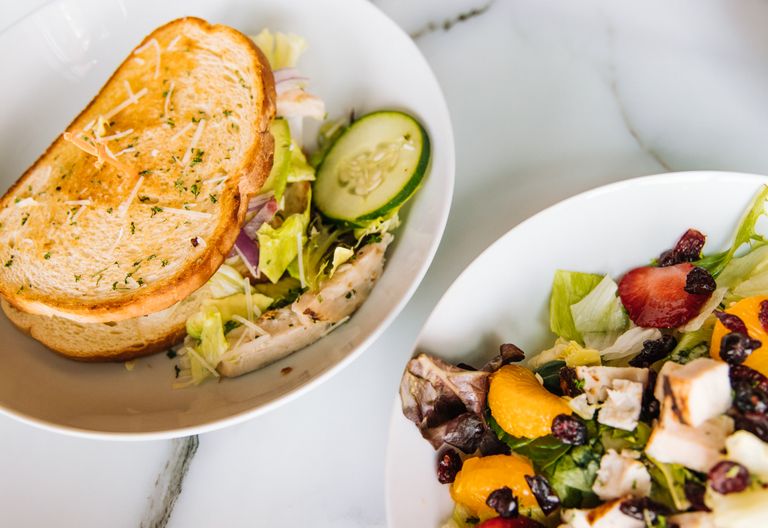
This one shows up in slightly different forms across the American South and Midwest, sometimes with flat, rolled dumplings, sometimes with fluffy, drop-style ones. Either way, it’s built on the same idea: stretch a whole chicken into a filling, comforting meal for a full table.
The dumpling technique is usually the first part to get lost. Rolled or dropped, thick or thin, it’s the kind of detail that’s nearly impossible to reverse-engineer from a written recipe alone.
Homemade Tamales
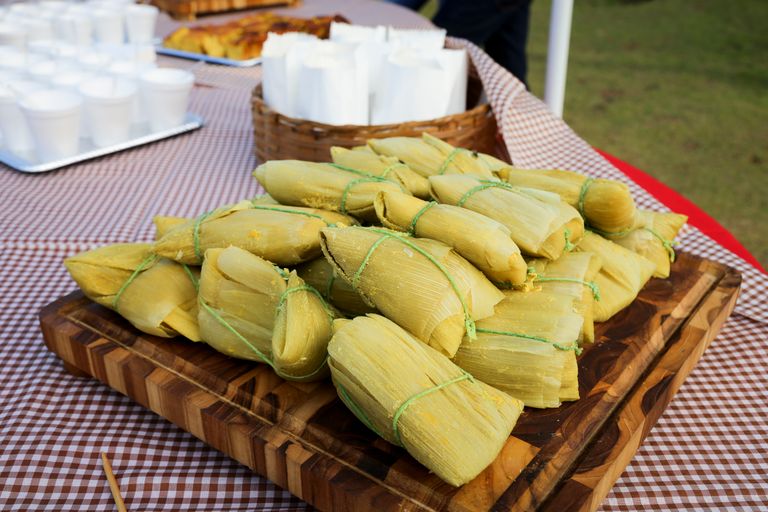
Tamales are one of the oldest dishes on this list by a wide margin. According to Wikipedia’s entry on the dish, tamales are a traditional Mesoamerican food made from masa, a dough of nixtamalized corn, steamed inside a corn husk or banana leaf, with origins tracing back thousands of years across what is now Mexico and Central America.
In many Mexican American and Central American families, making tamales is a group event, not a solo one. Multiple generations gather around a table to spread masa, fill it, fold it, and stack it into the steamer together. The recipe survives because the process itself is a tradition, passed from hand to hand in the room, not just written on a card.
Meatloaf
Meatloaf has a reputation problem it doesn’t fully deserve. At its best, it’s a way to take ground meat, breadcrumbs, egg, and a handful of seasonings and turn them into something far better than the sum of its parts, usually finished with a glaze of ketchup or a simple tomato sauce on top.
Every family’s version has its own quiet signature: a certain grated vegetable folded in, a particular glaze, a loaf pan that’s been used for the same purpose for decades.
Biscuits and Gravy
Rooted in Southern and Appalachian cooking, biscuits and gravy started as an affordable, filling breakfast built from pantry basics: flour, milk or buttermilk, and rendered fat. Sausage gravy poured over a warm, flaky biscuit turned simple ingredients into something people looked forward to.
The biscuit itself is usually the harder skill to inherit. Getting a light, flaky texture takes a feel for the dough that’s tough to get exactly right from a recipe card alone, which is exactly why it’s worth learning in person.
Toll House Chocolate Chip Cookies
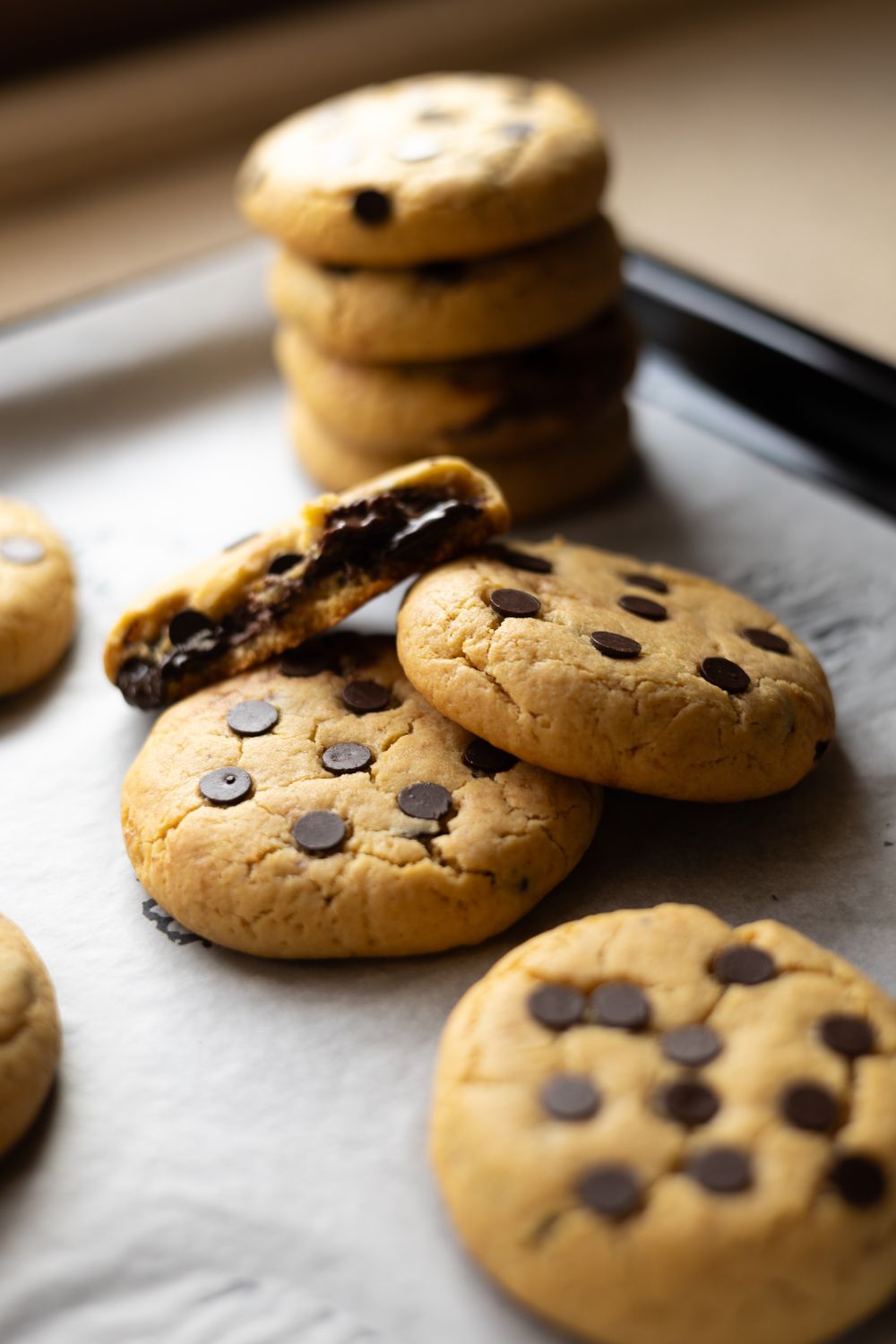
Unlike most dishes on this list, this one has a documented birthday. According to The Henry Ford Museum’s archive, Ruth Wakefield invented the chocolate chip cookie at the Toll House Inn in Whitman, Massachusetts. She included the recipe, called the Toll House Chocolate Crunch Cookie, in the 1938 edition of her cookbook.
Related: 5 Leading Chocolate Brands Today
Wakefield later sold the rights to Nestlé, and the recipe has been printed on the back of chocolate chip packaging ever since. Even so, most families have their own small tweaks on the original, a bit more brown sugar here, a shorter bake time there, that turn a mass-market recipe back into something personal.
Apple Pie
Apple pie earned its place as a symbol of American home cooking mostly because it was practical. Apples kept well through the fall and winter, and a simple pastry crust turned them into dessert, breakfast, or a gift for a neighbor.
The crust is where families tend to diverge the most, whether it’s made with butter, lard, or a mix of both, and how much it’s handled before it goes into the oven. That’s the part worth standing next to someone for, rather than just reading off a card.
Banana Bread
Banana bread became a fixture in American kitchens largely as a way to avoid wasting overripe bananas, especially once baking soda and baking powder made quick breads easy to whip up without yeast or long rising times.
It has stayed a family staple because it’s forgiving. A loaf can absorb walnuts, chocolate chips, or a little extra cinnamon depending on who’s baking it that week, which is exactly why so many families have a slightly different version.
Classic Baked Mac and Cheese
Macaroni and cheese, baked until the top turns golden and a little crisp, has been a staple of American home cooking for generations, especially around holidays when a big, shareable dish makes sense for a full table.
The blend of cheeses, whether it’s a sharp cheddar alone or a mix with something creamier, is usually where a family’s version becomes theirs unmistakably. It’s a small decision, but it’s the kind of thing that gets lost fastest if nobody ever explains why.
These nine recipes aren’t hard to find online in some form. What’s harder to find, and worth protecting, is the version that belongs to your own family: the timing nobody wrote down, the pan that’s always used, the small adjustment that makes it taste like home instead of just a recipe.