Why Boomers Still Miss the Taste of These 7 Foods From Their Childhood
Ask any baby boomer about the foods they grew up with, and you will probably see their face light up. They will tell you about the soda that came in heavy glass bottles, the bread from the corner bakery, and the tomatoes that tasted like summer. Then, almost always, they will add the same sentence: “Food just doesn’t taste like that anymore.”
Younger people sometimes roll their eyes at this, assuming it is simple nostalgia. But in many cases, boomers have a point. Farming practices, recipes, ingredients, and packaging have changed a great deal since the 1950s and 1960s. Some of those changes made food cheaper and more convenient, but they also changed how it tastes.
There are real reasons behind those memories. Here are seven foods boomers still miss from their childhood, and why the versions sold today often do not measure up.
1. Glass-Bottled Soda
For many boomers, nothing beat a cold Coca-Cola or root beer from a glass bottle pulled out of a metal cooler at the gas station. The bottles were heavy, the caps came off with a satisfying pop, and the soda tasted crisp and sweet. Many kids returned the empty bottles for a few cents each.
Most soda today comes in plastic bottles or aluminum cans. Many people swear soda tastes better in glass, because glass does not interact with the drink the way some other containers can. In addition, American Coca-Cola switched from cane sugar to high-fructose corn syrup in the 1980s, which some boomers believe changed the flavor they remember.
2. Garden Tomatoes
Boomers often remember tomatoes as juicy, sweet, and full of flavor. Many families grew their own in backyard gardens, or bought them from local farm stands in the summer. A tomato sandwich with mayonnaise on white bread was a summer treat.
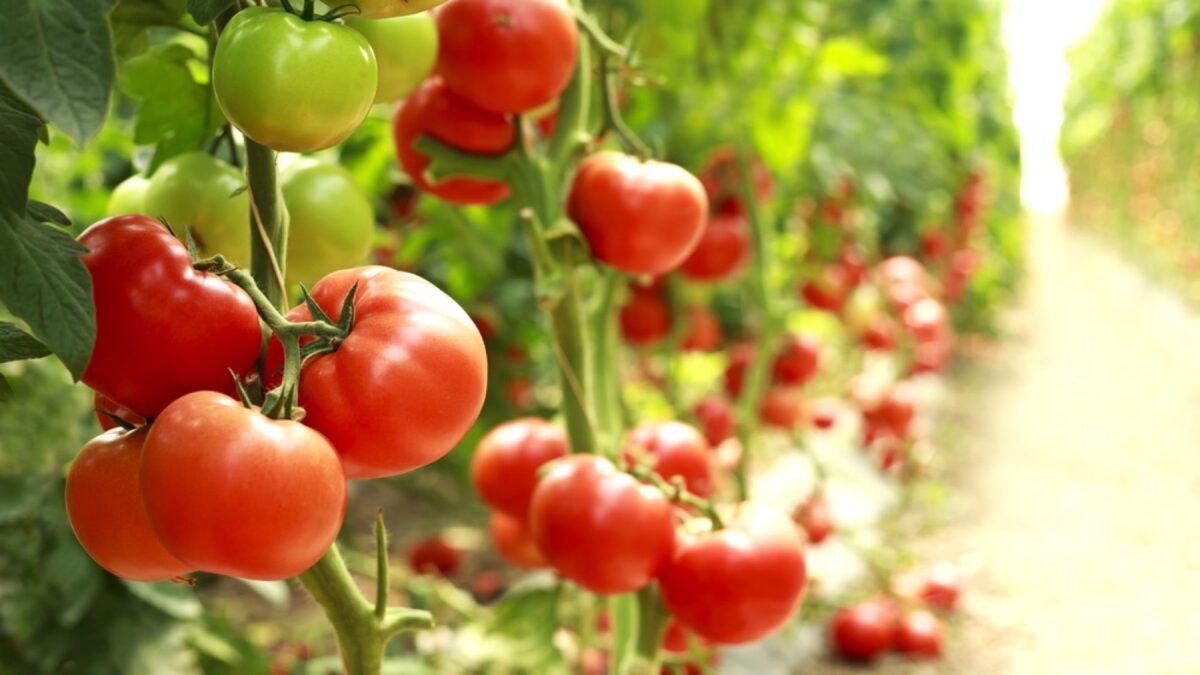
Today’s supermarket tomatoes are often picked green and shipped long distances, then ripened along the way. Many varieties were bred for durability and shelf life rather than flavor. That is why many boomers still grow their own tomatoes or buy heirloom varieties at farmers markets.
3. Bakery Bread
In the 1950s and 1960s, many neighborhoods had local bakeries that made fresh bread every day. Boomers remember the smell of warm loaves and the crusty texture of fresh rye or Italian bread. Even supermarket white bread felt special when it was soft and fresh.
Today, much of the bread sold in grocery stores is made to last longer on shelves, with added preservatives and dough conditioners. While artisan bakeries have made a comeback in many cities, many boomers miss the neighborhood bakeries that once seemed to be on every corner.
4. Milk From the Milkman
Many boomers grew up with milk delivered to their doorsteps in glass bottles. The milkman came early in the morning, and families often found cream rising to the top of the bottle. Kids sometimes fought over who got the cream.
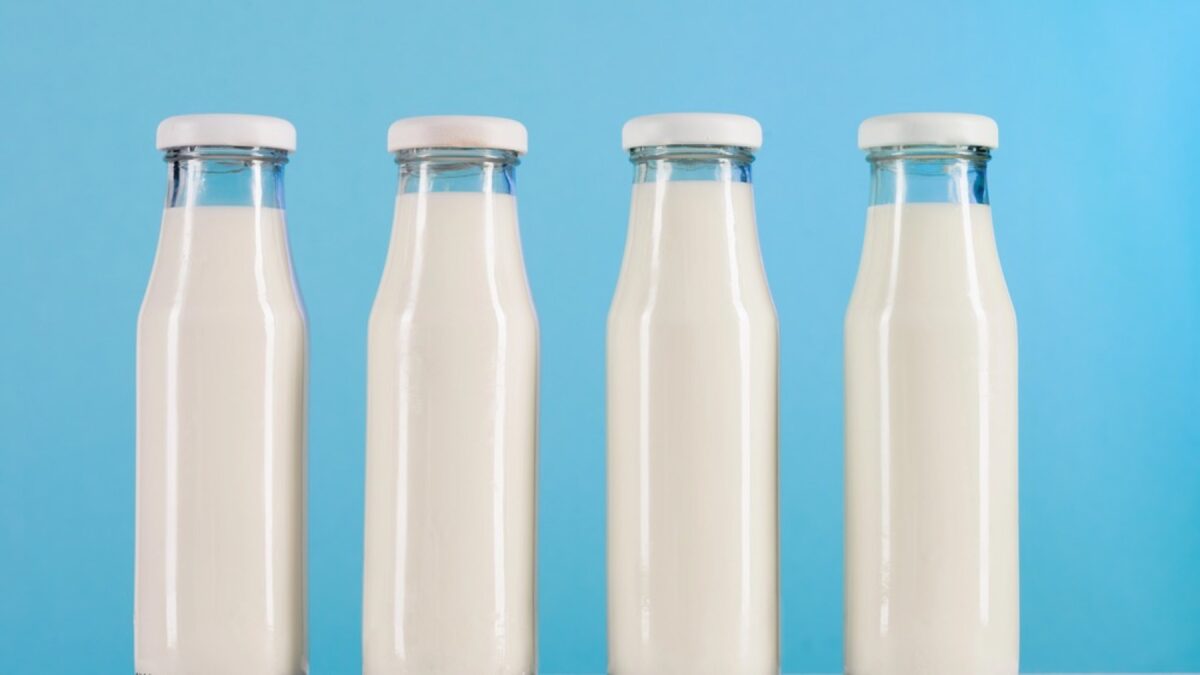
Today, most milk is homogenized, so the cream no longer separates. It is also sold in plastic jugs or cartons rather than glass. Some local dairies still offer glass bottles and home delivery, and boomers who try them often say the milk tastes just like they remember.
5. Penny Candy
Boomers remember walking into the corner store with a few coins and leaving with a paper bag full of candy. Root beer barrels, wax lips, candy buttons, and licorice whips were among the favorites. A single penny could buy a piece or two.
Many of those candies are still made today, but they are harder to find and cost far more. The experience of picking out candy one piece at a time from glass jars has mostly disappeared. Some nostalgic candy shops have brought it back, and boomers love sharing those treats with their grandchildren.
6. Homemade Ice Cream
Many boomers remember cranking a wooden ice cream maker on a summer afternoon. Rock salt and ice were packed around the canister, and kids took turns turning the handle until their arms ached. The reward was rich, creamy homemade ice cream.
Today, many store-bought frozen desserts contain more air and less cream, and some are not even legally called ice cream. That makes homemade versions taste even better by comparison. Electric ice cream makers have made the process easier, but many boomers miss the old hand-cranked tradition.
7. Grandma’s Fried Chicken
For many boomers, the best fried chicken they ever ate was made by their mother or grandmother. It was fried in lard or shortening in a cast-iron skillet, and it was crispy, juicy, and full of flavor. No fast-food chicken has ever quite matched it.
Part of the difference comes from the chickens themselves. Chickens raised decades ago were often smaller and grew more slowly, which many cooks believe gave the meat more flavor. The cooking fat mattered too. Many boomers who try to recreate their grandmother’s recipe today find it hard to get the same results.
How to Taste the Past Again
Boomers who miss these flavors have more options than they might think. Many local dairies now offer milk in glass bottles, and some even deliver to homes again. According to Food Dive, home milk delivery dropped sharply after the 1960s but has seen a small revival in recent years.
Glass-bottled sodas made with cane sugar are easy to find in many grocery stores, and farmers markets are full of heirloom tomatoes and fresh-baked bread. Old-fashioned candy shops sell penny candy favorites, though they usually cost more than a penny now. Hand-cranked ice cream makers are still sold, too, and they make a fun project with grandchildren.
Sharing these foods with younger relatives can be one of the best parts. Grandchildren who hear stories about the milkman or the corner candy store often enjoy trying the real thing. Many of these traditions also connect to the after-school snacks boomers remember, and to the broader list of boomer habits that are making a comeback with younger people.
It Is Not Just Nostalgia
It is true that memories make food taste sweeter. Childhood meals are tied to family, holidays, and simpler times, and that emotional connection is powerful. But there are also real changes in how food is grown, processed, and packaged that explain why boomers notice a difference.
So the next time a boomer says food used to taste better, take it seriously. They may be right, and they might just share a recipe worth trying.