Apple Pie Just Got a Glow-Up: 7 Fresh Twists That Make the Classic Feel Brand-New
Apple pie will always have a place at the table, but the familiar cinnamon-and-lattice version isn’t the only way to bake America’s most nostalgic dessert. Bakers are adding tart cranberries, orange zest, pecans, caramel, ginger, cinnamon-roll swirls, and even streusel-topped crusts, proving that apples are an excellent starting point, not a limit.
The best news is that these ideas do not require abandoning everything that makes apple pie great. You still get tender fruit, bubbling juices, and a flaky crust, but a smart flavor boost or unexpected format can turn the pie everyone expects into the dessert people keep talking about after the plates are cleared.
Classic apple pie is still the starting point
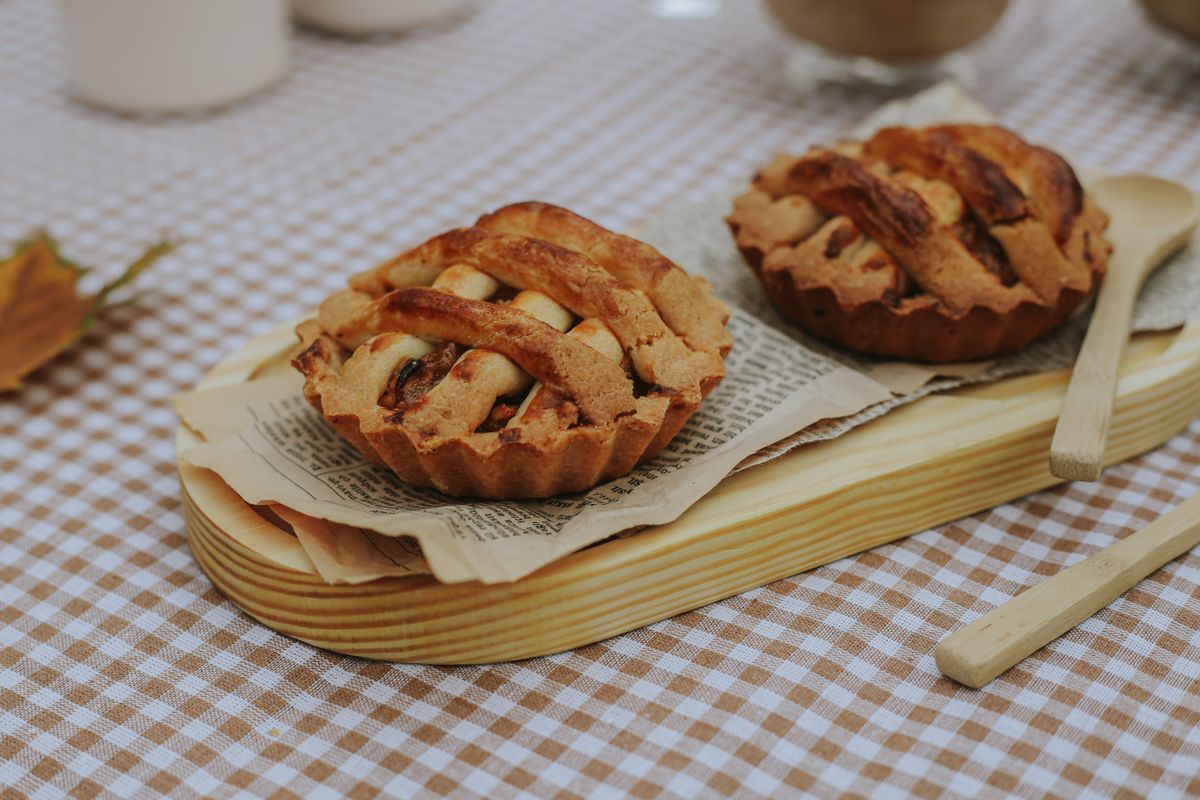
Before changing up apple pie, it helps to understand why the standard formula works. King Arthur Baking’s classic apple pie builds its filling with sliced apples, lemon juice, sugar, flour, cornstarch, salt, spices, boiled cider or apple juice concentrate, and vanilla. The pie is finished with butter, a top crust, and a sprinkle of coarse sugar for crunch and shine.
That list reveals why apple pie can handle so much creativity. Apples bring sweetness and structure, but lemon juice adds brightness, spices add warmth, and the thickener keeps the filling from becoming watery. Boiled cider or apple juice concentrate intensifies the fruit flavor, while vanilla rounds out the sharper notes. Once those core elements are in balance, the pie has room for new flavors without losing its identity.
King Arthur Baking recommends baking a standard double-crust pie at 425 degrees Fahrenheit for 20 minutes, then lowering the temperature to 375 degrees Fahrenheit for 40 additional minutes. The visual cue matters: the filling should bubble inside the pie, and the top should be golden brown. A properly baked, fully bubbling filling helps ensure the thickener has had time to work.
For bakers looking for a neater slice, King Arthur’s make-ahead apple pie filling offers a useful technique: cook the apples on the stovetop before adding them to the crust. Sauté the apples until softened but still holding their shape, then mix with sugar, thickener, spices, boiled cider, lemon juice, and vanilla, then cool. The company says you can make the filling up to four days in advance. It is a practical twist even for a traditional-looking pie, especially when you want less uncertainty on serving day.
Seven ways to give apple pie personality
A creative apple pie does not need to be wildly complicated. Often, one change- a fruit, a spice, a topping, or a different shape- is enough to make the dessert feel special. Here are seven well-tested directions that preserve the comfort of apple pie while taking it someplace more interesting.
- Add cranberries, orange zest, and pecans. King Arthur Baking recently highlighted an apple pie variation that adds tart cranberries, orange zest, and pecans. The cranberry sharpness gives sweet apples a brighter edge, while citrus and nuts bring fragrance and crunch.
- Try a caramel finish. Caramel and apples are a natural pairing, and King Arthur Baking’s Blue Ribbon Caramel-Apple Pie uses six cups of peeled apples, sugar, flour, and cinnamon in its filling. A caramel element brings a deeper, more buttery sweetness than granulated sugar alone, making this a strong choice for anyone who likes apple pie on the richer side.
- Trade the top crust for a cinnamon-bun swirl. King Arthur Baking’s cinnamon-bun apple pie technique gives a basic apple pie a showstopping top crust that resembles spiraled cinnamon rolls. The filling stays rooted in familiar apple-pie territory, but the presentation brings the cinnamon-roll energy straight to the dessert table.
- Go streusel, then bake it in a paper bag. King Arthur’s Paper Bag Apple Pie skips the traditional top crust for a buttery streusel topping. The recipe calls for brown sugar, cinnamon, nutmeg, lemon juice, and boiled cider in the apple filling, then bakes the pie inside a brown paper grocery bag for one hour. The company also offers parchment-based guidance for bakers who are hesitant about the paper-bag method.
- Use ginger and sour cream for a creamy twist. The Gingered Apple Cream Pie combines apples with ground ginger and a smooth sour cream element. King Arthur Baking describes it as a nontraditional apple pie, and the approach gives the dessert a tangy, spiced character that differs from the usual cinnamon-only profile.
- Make apple pie bars instead of a round pie. King Arthur’s sheet-pan apple pie transforms the classic into rectangular bars, enclosing apple filling in flaky pastry. Bake the smaller format at 425 degrees Fahrenheit for 15 minutes, then at 375 degrees Fahrenheit for 12 to 14 more minutes. It is a smart option for potlucks, school events, or any gathering where slicing a round pie into equal pieces gets tricky.
- For deeper apple flavor, use boiled cider. King Arthur’s Secret Ingredient Apple Pie uses boiled cider for added richness and slow-bakes the pie for two hours: 30 minutes uncovered at 350 degrees Fahrenheit, followed by 90 minutes covered with foil. This isn’t the fastest version, but it is for bakers who want more concentrated apple flavor and are willing to let the oven do the work.
Related: Apple Fritters Are Back, and Your Kitchen Is About to Smell Like Fall’s Best Bakery
The details that make any version better
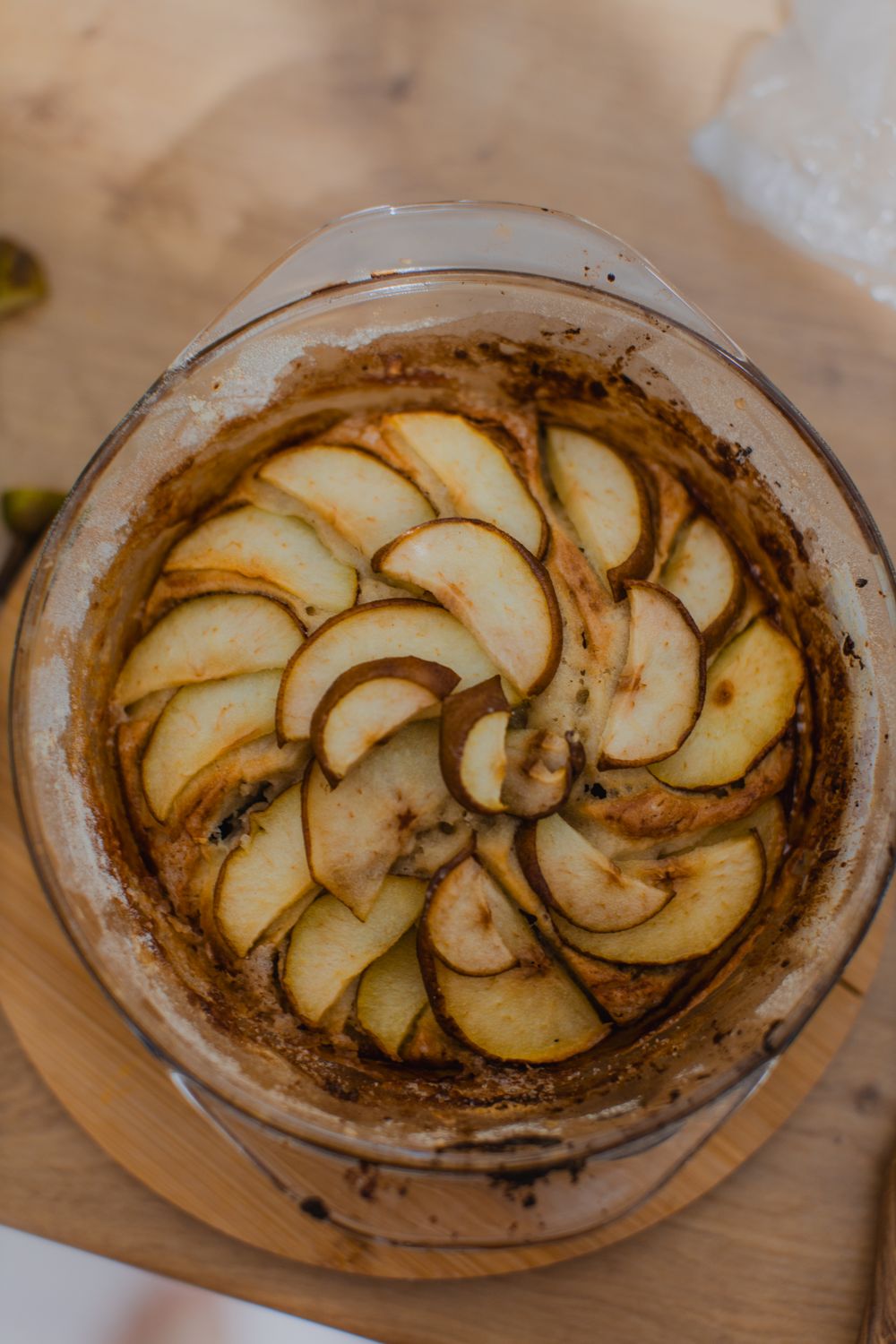
Creative add-ins will not rescue a pie with a soggy crust or runny filling, so technique still matters. Keep the pastry cold before it goes in the oven, use a baking sheet underneath the pie to catch drips, and cut vents in a top crust so steam can escape. King Arthur’s classic recipe also calls for chilling the assembled pie for 10 minutes before baking, which helps the crust firm up.
You also need to let the pie cool. This may be the least exciting step, but it is what separates a beautiful slice from a lava-like pile of apples and syrup. King Arthur advises cooling its classic pie completely before slicing, while its Secret Ingredient Apple Pie calls for 1½ to 2 hours of cooling to prevent “a lava-flow of filling.”
The broader lesson is that apple pie does not need to be trapped in one version of nostalgia. A simple double-crust pie remains wonderful, but apples play especially well with tart fruit, caramel, citrus, nuts, warming spices, and creamy elements. Even changing the presentation, from a round pie to bars or a cinnamon-roll-topped showpiece, can make a familiar dessert feel completely new.
So keep the apples, keep the flaky pastry, and absolutely keep the scoop of vanilla ice cream if that is your tradition. But if you are ready to experiment, apple pie has more room for imagination than its old-school reputation suggests.