McDonald’s AI Pricing Push Raises Questions About Menu Prices and Restaurant Decisions
McDonald’s is expanding its use of artificial intelligence to recommend restaurant-level menu prices, drawing new attention to how individual locations may set prices.
The company is using AI to analyze transaction data, local market conditions, and estimated customer willingness to pay as part of its menu pricing approach. The move has raised questions about price differences between nearby restaurants and how technology may affect franchisees’ role in pricing decisions.
For everyday customers, the change matters because the price of the same menu item can vary significantly between nearby McDonald’s restaurants. As AI-driven pricing becomes more common, the approach could also influence how other major retailers and food chains decide what customers pay.
McDonald’s expands AI role in menu pricing
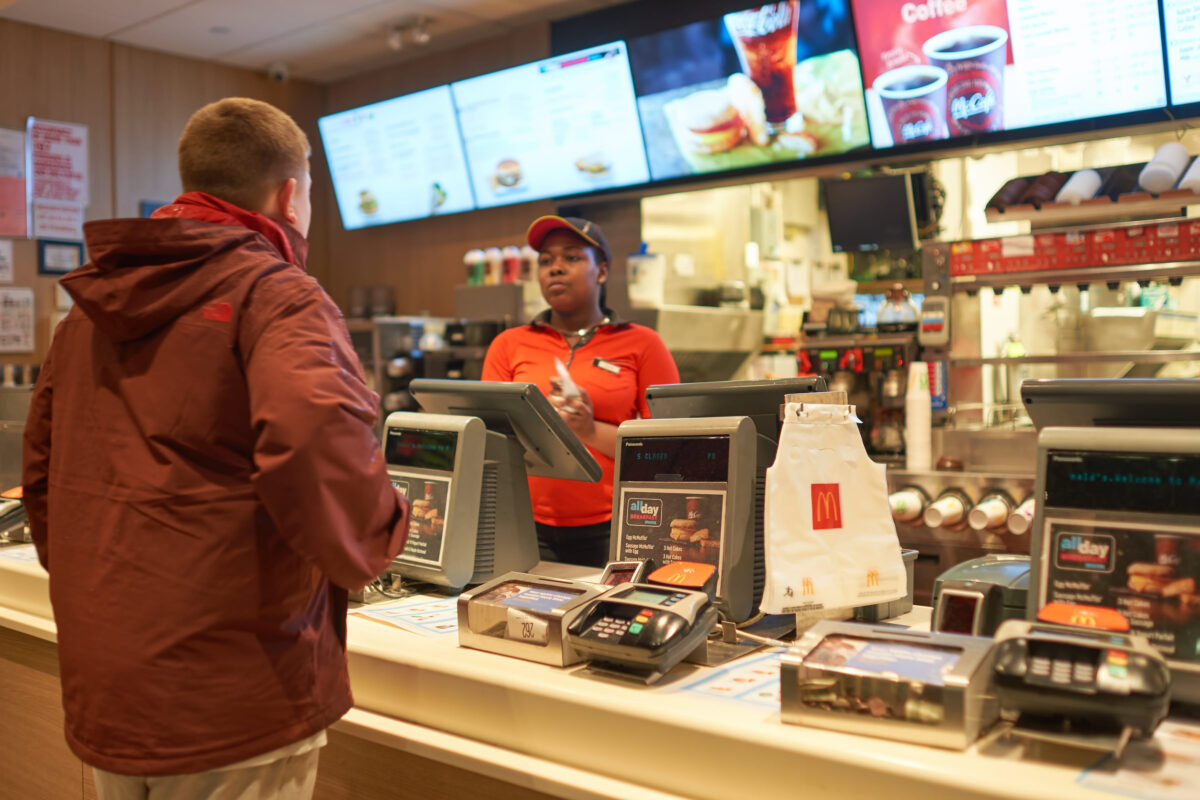
McDonald’s is increasingly using AI tools to recommend menu prices at the restaurant level. The technology uses transaction data, local market conditions, and estimated customer willingness to pay to support pricing recommendations.
The company highlighted its pricing technology during its 2026 Investor Day. McDonald’s described the system as part of its approach to improving menu pricing decisions, saying, “our menu pricing engine is an industry-leading tool.”
The AI-based pricing engine shows how the company is applying data analysis to a key part of restaurant operations. The tool is designed to provide recommendations based on information connected to restaurant activity and local conditions.
Rather than using a single approach for every location, the system focuses on restaurant-level recommendations. This means pricing decisions can account for factors that may differ between locations.
Related Post: Some Restaurants Are Saying No to AI-Generated Food Photos. Check Out the Reasons
Why local customers may notice the difference
For customers, menu prices are one of the most visible parts of visiting a restaurant. When prices differ between nearby McDonald’s locations, customers may wonder what drives those changes.
The growing use of AI pricing tools has drawn more attention to how those differences are created. The company’s approach uses transaction data, local market conditions, and estimated customer willingness to pay to recommend prices.
This raises questions about how much technology influences prices and how much flexibility individual restaurants have in making decisions.
The issue is especially relevant because customers often compare prices between restaurants in the same area. A customer may see different prices for the same items depending on which location they visit, making restaurant-level pricing decisions more noticeable.
Questions about franchisee control
The wider use of AI recommendations has also raised questions about franchisee control. McDonald’s restaurants include franchise locations, and the growing role of technology in pricing decisions has drawn attention to how recommendations are balanced with restaurant-level decision-making.
AI tools can provide information and recommendations, but the relationship between those recommendations and the choices restaurant operators make remains a key part of the discussion around the company’s pricing strategy.
AI in pricing represents a shift in how businesses approach everyday decisions. Instead of relying only on traditional pricing methods, companies can use large amounts of data to identify patterns and provide recommendations.
For McDonald’s, the menu pricing engine is part of that broader effort to use data-driven tools in restaurant operations.
A wider shift in food and retail pricing
AI-driven pricing may extend beyond McDonald’s. The wider use of these systems could influence how other major retailers and food chains set prices.
As businesses explore technology-based pricing tools, customers may become more interested in why prices change and why the same products may cost different amounts in different locations.
AI pricing systems are becoming part of a larger conversation about how businesses use information to make decisions. In the food industry, where customers regularly interact with menu prices, these changes are likely to receive attention from both consumers and operators.
McDonald’s use of AI recommendations shows how technology is becoming more involved in decisions that directly affect everyday purchases.
What comes next for customers and restaurants
McDonald’s continued use of its menu pricing engine will determine how the company applies AI recommendations in the future.
For customers, the most noticeable part of this change may be the continued variation in menu prices between different restaurant locations. Knowing that pricing recommendations can involve AI tools may provide more context for why prices aren’t always identical from one restaurant to another.
For restaurant operators, the continued development of AI pricing tools raises questions about how technology can support decisions while fitting into existing restaurant management approaches.
The move also offers a look at how major companies are using data and artificial intelligence in everyday business operations. As AI becomes more involved in pricing decisions, customers and businesses will continue to watch how these tools shape the way prices are set.
McDonald’s AI pricing approach focuses on using transaction data, local market conditions, and estimated customer willingness to pay to recommend restaurant-level menu prices. The company’s strategy highlights the growing role of technology in the food industry and the questions it raises.