Skip the Grill: This Simple Cooking Method Makes Bratwursts Juicier and More Flavorful
There is something satisfying about biting into a perfectly cooked bratwurst, especially when the outside is beautifully browned and the inside remains tender and juicy. Grilling is often the first method that comes to mind, but firing up the grill isn’t always convenient. Fortunately, there is another way to prepare these popular sausages without sacrificing their delicious flavor.
The secret is an oven-safe skillet, a little stovetop cooking, and one unexpected ingredient you may already have in your kitchen. Instead of relying entirely on direct heat, this method combines browning with gentle cooking in liquid. The result is a flavorful bratwurst with a nicely browned exterior and a moist interior.
Why an Oven-Safe Skillet Makes All the Difference
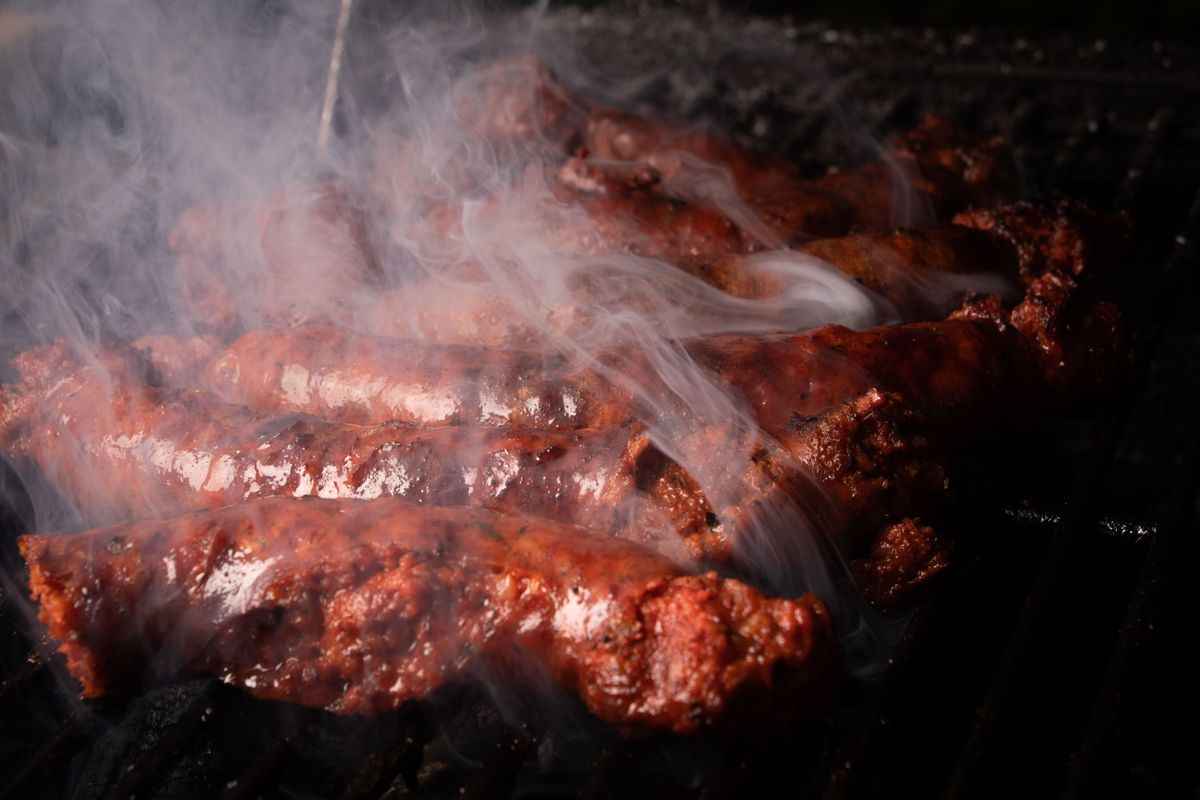
Before you start, choosing the right cookware can make the process easier. A deep-sided, oven-safe skillet lets you brown bratwursts on the stovetop, then transfer them directly to the oven. This eliminates the inconvenience of moving hot sausages and cooking liquid between different pans.
Cast iron is an excellent choice because it retains heat well and can handle high oven temperatures. Stainless steel and carbon steel skillets are also suitable, as long as they are oven-safe. Some nonstick skillets can work for baking, but their temperature limits and restrictions on broiling must be checked carefully.
Skillet depth matters, especially when you add liquid during cooking. A shallow baking sheet may allow liquid to spill during handling, while a deeper skillet keeps everything contained. It also makes the transition from stovetop to oven much easier.
The Unexpected Ingredient That Helps Keep Bratwursts Juicy
One of the most interesting parts of this method is adding beer. Rather than cooking the sausages entirely in dry heat, beer provides a flavorful liquid that surrounds them as they finish cooking. The moisture helps create a gentler cooking environment and may reduce the likelihood of the casings splitting.
The type of beer you choose can influence the finished flavor. A light lager or pilsner offers a different taste from a darker, more robust beer. The key is to choose a flavor that complements the sausages.
Beer isn’t the only liquid that can be used, although it gives this particular preparation its distinctive character. Broth can serve as an alcohol-free alternative, but it will produce a different flavor. Whichever liquid you choose, adding it after browning lets you enjoy both the developed exterior and a moist cooking environment.
Related: 5-healthy-spices-to-keep-in-your-kitchen-simple-ingredients-worth-knowing/
Start on the Stovetop for Better Browning
Although the oven does most of the cooking, you start on the stovetop. Place the bratwursts in a heated skillet and brown them for a few minutes on each side. This creates an appealing exterior before the sausages finish cooking in the oven.
Browning contributes flavor through reactions that occur when the sausage surface is exposed to heat. It also gives the bratwursts a more appetizing appearance than cooking them exclusively in liquid. At this stage, the goal is to develop color rather than cook them completely.
Once both sides have browned, carefully add the beer to the skillet. Avoid pouring it too quickly into a very hot pan, since the liquid may bubble and produce steam. The sausages can then continue cooking with the added moisture.
Let the Oven Finish the Job
After adding the liquid, transfer the oven-safe skillet into a preheated oven. The bratwursts will continue cooking while the liquid helps moderate the cooking environment. Turning them halfway through promotes more even heat exposure.
No single cooking time works for every bratwurst. Sausage thickness, starting temperature, and oven settings can all influence how quickly the center cooks. Rather than relying on appearance or an estimated number of minutes, check the internal temperature for a more dependable result.
According to the USDA, uncooked sausages made from ground pork, beef, lamb, or veal should reach 160 degrees Fahrenheit. Sausages containing ground chicken or turkey need to reach 165 degrees Fahrenheit. Insert a food thermometer into the center to confirm the appropriate temperature has been reached.
A Brief Broil Can Improve the Final Appearance
If the bratwursts need a little more color after baking, broiling can provide a finishing touch. The intense overhead heat encourages additional surface browning, making the sausages more visually appealing. However, this step is optional, not essential.
Watch the sausages closely because broiling can quickly change a browned exterior into an overly dark one. If significant cooking liquid remains, avoid placing the skillet under the broiler without considering the risk of splattering. Most importantly, verify that the skillet and its handle are rated for broiler use.
Don’t Waste the Flavor Left Behind in the Skillet
Once the bratwursts are finished, the skillet can do more than hold the cooked sausages. The remaining cooking liquid and browned residue can provide a flavorful starting point for a simple vegetable topping. This is an easy way to make use of the pan before washing it.
Remove the sausages, adjust the remaining liquid as needed, then add a little oil, sliced onions, and bell peppers. Cook the vegetables on the stovetop until they reach your preferred tenderness. A frozen vegetable mix also works when fresh ingredients aren’t available.
Spoon the onions and peppers over the bratwursts or serve them alongside. Their flavors complement the savory sausages and make the meal feel more complete. Best of all, the same skillet handles the browning, baking, and vegetable preparation.
A Convenient Alternative Worth Remembering
Grilling will always have its place, particularly when smoky flavor and outdoor cooking are part of the appeal. However, indoor bratwurst prep can be just as satisfying when the weather makes grilling inconvenient. Combining stovetop browning with oven cooking offers a practical way to control the process.
Next time bratwursts are on the menu, reach for an oven-safe skillet instead of the grill. With careful browning, flavorful liquid, and a thermometer to check doneness, the sausages can turn out tender and delicious. Sometimes, a small change in cooking technique is all it takes to make a familiar meal feel special.
Other articles you may like:
– grilling-trends-that-are-totally-hot/
– things-to-know-before-wrapping-food-in-aluminum-foil-for-cooking/