U.S Launches Heavy Strikes on Iran After Missile Attack on American Forces in Jordan as Middle East Conflict Enters Dangerous New Phase
The United States has launched a major wave of strikes against Iran after attacks targeted American forces in the Middle East, pushing a months-long conflict into a more dangerous stage. What began as a confrontation that some officials expected to be limited has now expanded into a wider regional crisis involving missile attacks, drone warfare, energy routes and growing fears that the fighting could spread.
The latest U.S. military operation came after Iran attempted attacks against American positions in Jordan and other locations. With Iran reporting civilian casualties, regional allies preparing for possible fallout and tensions rising around the Strait of Hormuz, the conflict has reached a critical point that could determine whether the next chapter brings diplomacy or a much larger confrontation.
U.S Retaliates Against Iran After Attacks on American Forces

The U.S. military said it launched a “heavy wave” of strikes against Iran after Tehran’s forces attempted missile attacks against American interests in the region. U.S. Central Command said the operation targeted dozens of locations linked to Iran’s Islamic Revolutionary Guard Corps, including military command centers, missile facilities, drone sites, coastal defense systems and maritime capabilities.
The strikes came after Iran targeted a U.S. base in Jordan and carried out actions involving vessels near the Strait of Hormuz. American officials described the response as a direct effort to weaken Iran’s ability to launch future attacks and send a clear message that threats against U.S. troops would face significant consequences.
A Conflict That Was Expected to End Quickly Has Turned Into a Long Crisis
The latest escalation comes after months of fighting between the United States, Iran and their regional partners. When military operations began earlier in the year, President Donald Trump suggested the conflict could be resolved quickly, but continued strikes have shown that the confrontation is far more complicated than initially expected.
The longer the conflict continues, the more difficult it becomes for both sides to control the consequences. Military actions that begin as limited responses can create new rounds of retaliation, pulling in allies and increasing the risk of a wider regional conflict.
The Cycle of Attacks and Retaliation Keeps Driving the War Forward
The U.S. Iran conflict has followed a dangerous pattern of attack and response. Iran or Iran-backed groups launch strikes against American interests, Washington responds with military action, and Tehran faces pressure to retaliate to maintain its position.
Iran’s network of regional allies has made the conflict more difficult to contain because fighting is no longer limited to two countries. Armed groups operating in Iraq and other parts of the Middle East have become key players in the broader struggle, creating more opportunities for escalation.
Pentagon Targets Iran’s Missile, Drone and Military Infrastructure
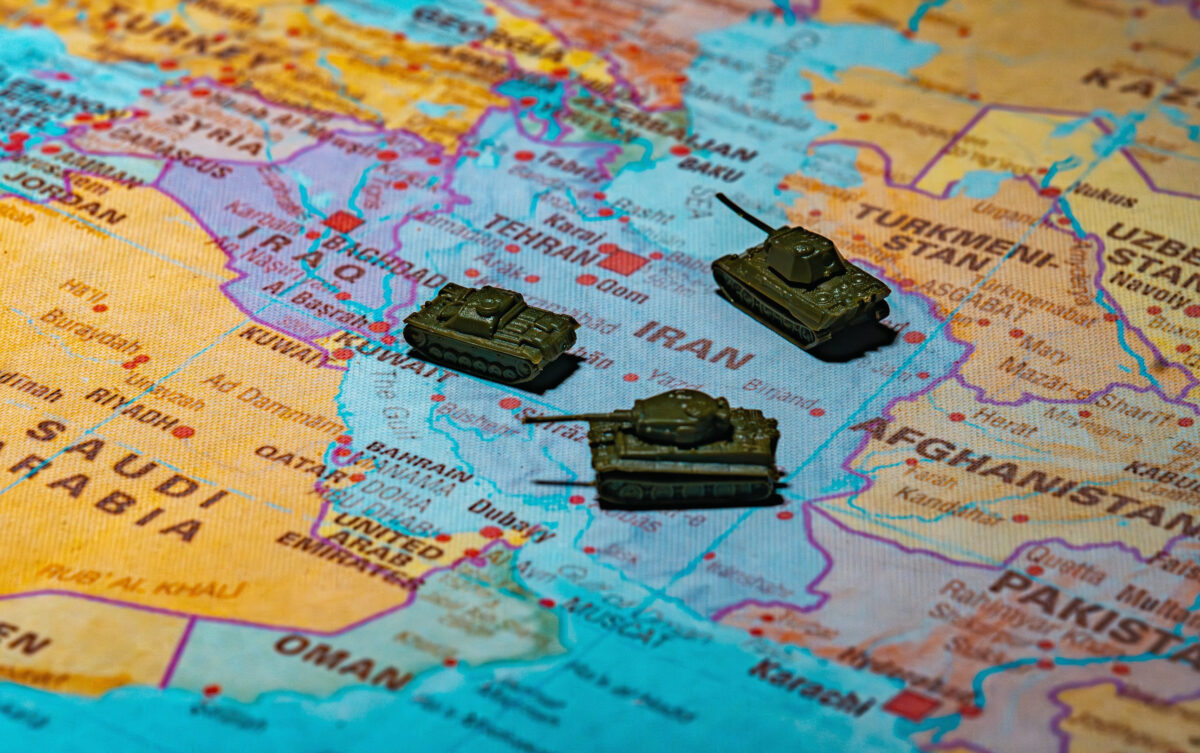
The Pentagon said the latest strikes focused on facilities connected to Iran’s military capabilities. U.S. Central Command identified missile sites, drone facilities, military command locations, coastal surveillance systems and maritime infrastructure among the targets.
Iran has invested heavily in missile and drone technology as part of its military strategy. These systems allow Tehran to threaten American bases, ships and regional partners without relying only on traditional military forces, making them a major focus of U.S. operations.
Civilian Casualty Reports Add New Pressure as Fighting Intensifies
Iranian officials reported that the U.S. strikes killed civilians, including a reported two-year-old child on Qeshm Island. Iranian state media said residential areas were affected, while U.S. officials have not independently confirmed those claims.
Civilian deaths often become one of the most politically sensitive issues during military conflicts. Reports of civilian harm can increase international pressure, influence public opinion and create demands for investigations into how military operations are carried out.
Why the Strait of Hormuz Could Become a Global Economic Flashpoint
The Strait of Hormuz remains one of the most important strategic locations in the conflict. The narrow waterway connects the Persian Gulf with global shipping routes and carries a significant portion of the world’s energy supplies.
Any serious disruption in the area could affect oil prices, shipping costs and inflation around the world. Even without a full closure of the waterway, increased military activity can create uncertainty in energy markets and raise concerns for consumers far beyond the Middle East.
Iraq Is Once Again Caught Between Washington and Tehran
The conflict has expanded into Iraq, where U.S. and Saudi forces recently targeted Iran-backed groups following a series of drone attacks. American officials said those strikes hit weapons and logistics locations connected to attacks against U.S. interests.
Iraq has spent years balancing relationships with both Washington and Tehran. The country hosts American forces while also dealing with powerful Iran-backed groups, leaving Iraqi leaders facing pressure from both sides as regional tensions increase.
Saudi Arabia Faces Pressure to Balance Security and Stability
Saudi Arabia has become a key country watching the conflict because of its rivalry with Iran and its close security relationship with the United States. The kingdom has historically viewed Tehran as a major competitor but also has strong economic reasons to avoid a prolonged regional war.
Reports indicate Saudi officials have pushed for reducing tensions while maintaining cooperation with Washington. A wider conflict could threaten oil markets, trade routes and regional security, making Saudi Arabia’s role increasingly important.
Trump’s Iran Strategy Faces a Major Foreign Policy Test
The escalating conflict has become one of the biggest foreign policy challenges for the Trump administration. The White House now faces questions about how long military operations will continue and whether the strategy can achieve its goals without creating another prolonged Middle East conflict.
Supporters argue that strong military action is necessary to deter Iran and protect American forces. Critics warn that continued escalation could create a cycle of retaliation that becomes harder to end, especially as more countries become involved.
Diplomacy Remains Possible but Becomes More Difficult After Each Strike
Despite the latest military action, diplomatic efforts remain a possible path forward. Earlier pauses in fighting showed that both sides may still have reasons to avoid a full-scale regional war that could carry unpredictable consequences.
However, every new attack makes negotiations more difficult. Political leaders face pressure to appear strong, while military responses can create new obstacles to compromise and increase mistrust between opposing sides.
The Risk of a Wider Middle East War Continues to Grow
The biggest concern now is whether the conflict remains limited or spreads further across the region. Countries including Jordan, Iraq, Saudi Arabia and other Gulf states are watching closely because any expansion could affect their security and economies.
Jordan has already reported intercepting Iranian missiles targeting its territory, showing how quickly the conflict can move beyond the original battlefield. Regional governments are preparing for possible fallout while hoping to prevent direct involvement.
What Happens Next Could Determine the Future of the Conflict
The U.S. Iran confrontation has reached a turning point. Military officials will evaluate the impact of the latest strikes, while political leaders decide whether continued pressure or renewed diplomacy offers the best path forward.
The conflict now affects far more than the countries directly involved. It influences energy markets, regional alliances, civilian populations and global security calculations, making the next decisions from Washington and Tehran especially important.