7 Classic American Recipes That Bring Back Family-Dinner Memories
Some dishes feel familiar before they even reach the table. The sight of a golden apple pie, a bubbling casserole, or a platter of deviled eggs can bring back memories of family gatherings, holiday meals, and the food people shared with friends.
These recipes have become part of America’s home-cooking traditions, although the memories associated with them vary from one household to another. Each has its own ingredients, preparation methods, and place in the country’s culinary history.
Classic Meatloaf
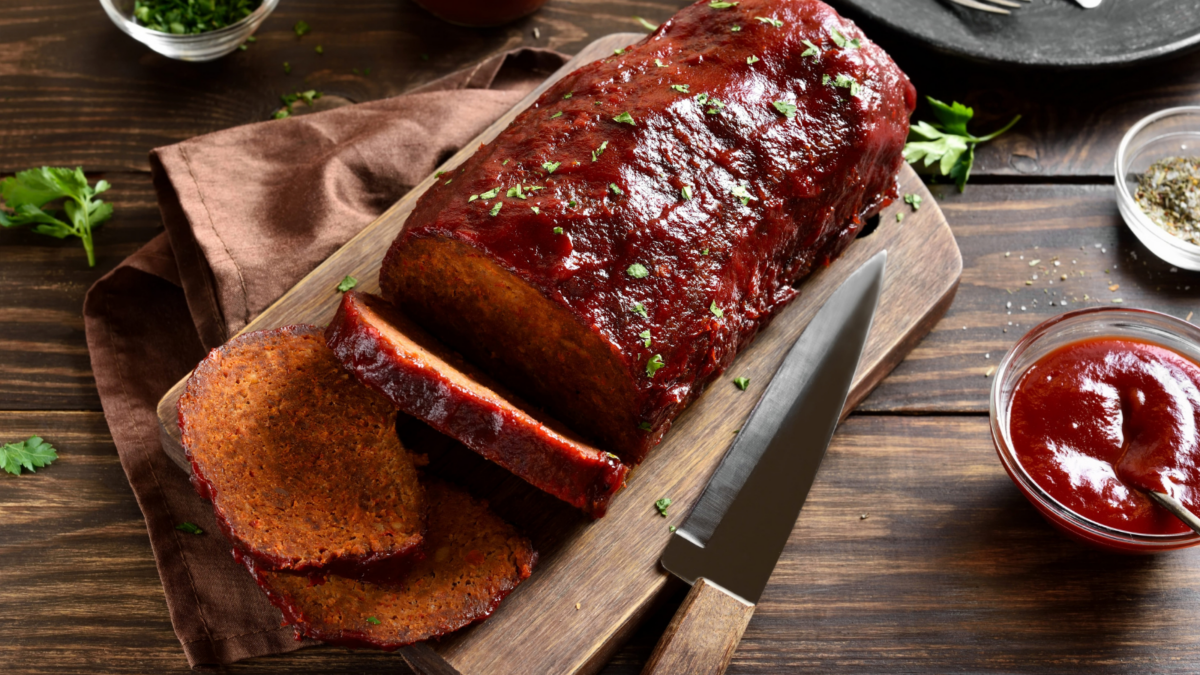
Meatloaf is a straightforward dish with plenty of room for personal preference. Ground or finely chopped meat is mixed with ingredients such as bread or crackers, seasonings, and binders, shaped into a loaf, and cooked. Some versions rely on beef, while others use different meats, and the seasonings can vary considerably from one recipe to another.
Its connection to practical home cooking is especially interesting. According to Bon Appétit’s history of meatloaf, meatloaf became an important dish during the Great Depression because additional ingredients helped stretch limited quantities of meat into more servings. The growing availability of meat grinders also made preparing it more practical.
That combination of adaptability and economy helps explain its place in American cooking traditions. Served alongside vegetables or potatoes, a sliced meatloaf can still make a familiar centerpiece for a family dinner.
Chicken Pot Pie
Few dishes combine contrasting textures quite like a baked chicken pot pie. Beneath its golden pastry lid lies a creamy filling of cooked chicken and vegetables, often including potatoes, carrots, peas, corn, and onions. The sauce brings everything together, creating a meal that can be served straight from the baking dish.
Chicken pot pie also has a documented connection to mid-century American kitchens. According to the University of Wyoming Extension, Swanson began producing frozen chicken pot pies in 1951, giving home cooks another way to enjoy the dish.
It is worth distinguishing this baked version from Pennsylvania Dutch pot pie, which can refer to a broth-based dish containing square noodles rather than a pastry crust. Both preparations have their own character, but the flaky crust and creamy filling make the baked version especially recognizable to many American diners.
Tuna Noodle Casserole
Tuna noodle casserole demonstrates how a handful of familiar ingredients can come together in one baking dish. A documented Campbell’s recipe combines tuna, cooked noodles, condensed cream of mushroom soup, milk, and peas, with breadcrumbs and butter providing a crisp topping. The result brings together tender pasta, savory tuna, a creamy sauce, and a contrasting crunch.
The dish’s history is more interesting than a simple story of a company inventing a popular casserole. TASTE’s history of tuna casserole identifies a 1930 recipe published in Sunset magazine, submitted by a contributor from Kennewick, Washington, as an early documented example of tuna-and-noodle casserole.
Campbell’s introduced cream of mushroom soup in 1934, helping simplify preparations that might otherwise require a homemade sauce. The combination illustrates how convenience products became part of American home cooking without being the sole origin of the dishes made with them.
Related: 5 Tips for Perfect BBQ with a Smoker Grill Combo: Enhance Your Grilling Experience
Baked Macaroni and Cheese
Baked macaroni and cheese brings together tender pasta, melted cheese, and a bubbling finish from the oven. Some recipes use elbow macaroni, while others call for different pasta shapes. A documented Betty Crocker preparation, for example, uses penne and makes its cheese sauce with butter, flour, milk, and sharp cheddar.
The dish has a much longer American history than its familiar boxed version might suggest. The Smithsonian has explored the role of James Hemings, an enslaved chef owned by Thomas Jefferson, in the early American story of macaroni and cheese. Jefferson is an important figure in that history, but he should not be credited with inventing the dish.
Kraft introduced boxed macaroni and cheese in 1937, adding another chapter to the food’s place in American kitchens. Homemade baked macaroni and cheese remains distinct from the boxed product, with its own possibilities for sauce, pasta, and oven-browned texture.
Sunday Pot Roast
Pot roast is built around patience rather than complicated preparation. A relatively tough cut of beef, such as chuck, cooks slowly in a covered vessel with liquid, using moist heat to develop tenderness. Vegetables and gravy often accompany the finished meat, turning the dish into a substantial meal that can be served family-style.
The cooking method matters because pot roast is essentially a braised dish, not simply a piece of beef roasted in dry heat. Its long, slow preparation makes it well suited to recipes that bring meat, vegetables, and flavorful cooking liquid together.
Yankee pot roast has a particular association with New England, where it represents a practical approach to cooking an economical beef cut until tender. Although the name suggests a traditional Sunday meal, it would be inaccurate to assume every American family served pot roast on that day. Still, its hearty presentation fits naturally into the tradition of shared family dinners.
Deviled Eggs
Deviled eggs offer a welcome change from the main dishes on this list. They begin with hard-boiled eggs that are halved so their yolks can be removed and mashed with ingredients such as mayonnaise and mustard. The mixture is spooned or piped back into the egg-white halves, often with a sprinkle of paprika for color.
Their appeal extends beyond everyday meals. Deviled eggs are commonly associated with shared platters at picnics, holiday gatherings, and other occasions when small portions of food are easy to serve. Their familiar appearance also makes them a natural addition to a table filled with other traditional dishes.
The history of stuffed eggs stretches back well before modern American cooking. What’s Cooking America connects mayonnaise-based stuffed eggs with Fannie Farmer’s 1896 cookbook and describes their broader popularity in the United States after World War II. That history shows how an older preparation became firmly established in American food traditions.
Related: 14 Strange Thanksgiving Traditions That Everyone Pretends Aren’t Weird
Homemade Apple Pie
A double-crust apple pie offers a fitting finish to this collection of familiar dishes. Its pastry encloses an apple filling flavored with cinnamon, and the pie is baked until the crust turns golden and the fruit becomes tender. Although recipes differ in their crusts, seasonings, and apple varieties, the combination remains widely recognizable.
Apple pie’s American identity has a more complicated history than its reputation might suggest. The Smithsonian’s exploration of why Americans love their apple pie explains that the dessert did not originate in the United States. English settlers brought pie traditions with them, while apples’ suitability for cultivation across much of the country and their storage potential helped establish apple pie as a familiar part of American food culture.
By the mid-20th century, pie had become an important business as well as a home-baking tradition. Apple pie also took on symbolic meaning during the Cold War, further strengthening its association with American identity. Its place on this list reflects cultural adoption, not a claim of American invention.
Whether you prefer a bubbling pot roast, a creamy casserole, or a slice of homemade apple pie, these classics offer plenty of reasons to bring familiar flavors back to the dinner table.