7 Cooking Traditions Baby Boomers Still Treasure
Some cooking traditions are tied to familiar recipes, favorite meals, and routines that make time in the kitchen feel worthwhile. For some families, that means preparing dinner from scratch, keeping handwritten recipe cards, or baking the same cake for special occasions.
These practices are not exclusive to Baby Boomers, but they remain meaningful ways to keep culinary traditions alive. Even as cooking tools and recipe sources change, there are plenty of reasons to preserve the kitchen habits that matter to a family.
Cooking Meals From Scratch
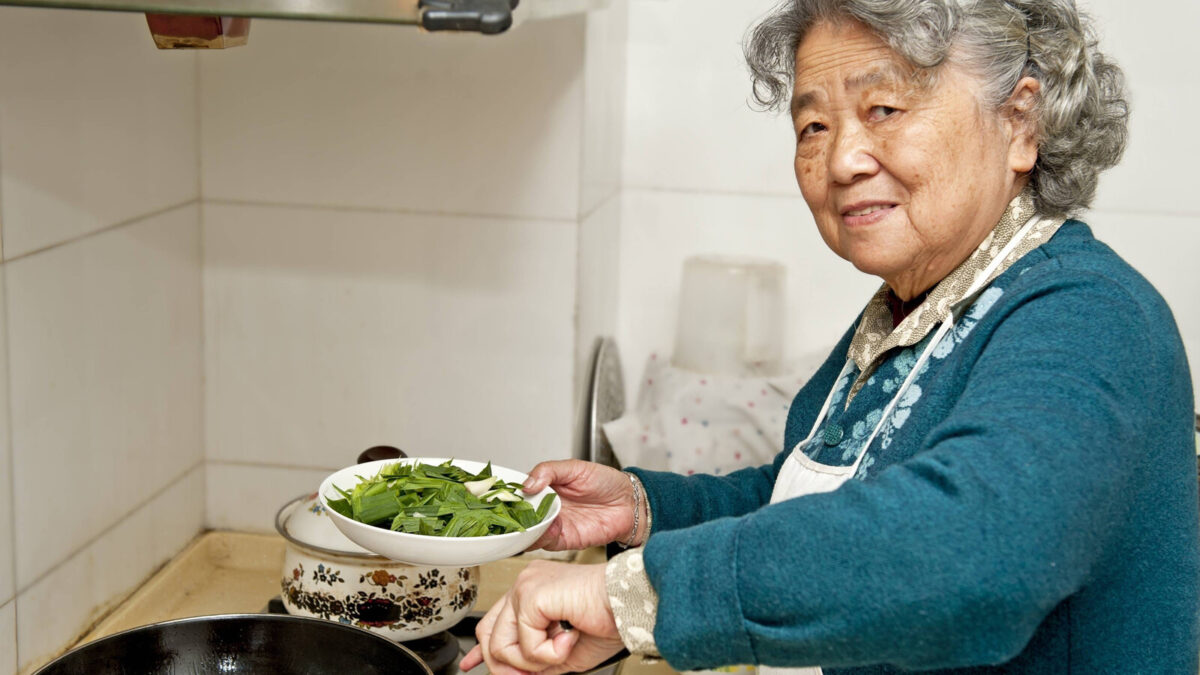
Preparing a meal from individual ingredients remains part of everyday American cooking. According to Instacart’s September 2025 cooking survey, one-third of U.S. adults reported making five or more meals from scratch in a typical week. That finding reflects American adults generally, rather than Baby Boomers alone, but it shows that scratch cooking continues to have a place in modern kitchens.
Making a pot of soup, preparing a sauce, or assembling a familiar savory dish from basic ingredients gives cooks room to adjust flavors and portions to their preferences. It also allows them to follow a familiar routine instead of starting with a fully prepared meal. For home cooks who enjoy knowing how a dish comes together, this approach can remain a satisfying part of the week.
Keeping Handwritten Family Recipes
A handwritten recipe card can preserve details that might disappear when a recipe is copied into a digital document. The handwriting, margin notes, corrections, and other marks can all be part of the document’s personal significance. For families who have kept recipes over the years, those small details may be just as meaningful as the instructions themselves.
The Library of Congress offers guidance on collecting family recipes, including photographing handwritten cards so their images can appear alongside accessible, typed versions. This makes it possible to preserve the handwriting while creating a copy that is easier to read and use. A family can also record the story behind a recipe, preserving information that might otherwise be lost as time passes.
Making Time for Sunday Family Dinner
A regular family meal does not have to involve a complicated menu or hours of preparation. For some households, the important part is having a recurring time to sit down together and share something familiar. Sunday dinner can be a simple meal that people look forward to because it gives them a dependable place in the week’s routine.
A Real Simple feature on family traditions describes lifestyle creator Lauren Syrowik’s weekly Salmon Sunday gathering with her husband, children, parents, and grandmother. Syrowik says the tradition began with her mother.
Her family’s routine offers one example of how a recurring meal can bring several generations together without requiring an elaborate feast. Other families might choose pasta, roasted chicken, or a favorite casserole instead.
Related: 20 Reasons Baby Boomers Should Shut the Hell Up About Millennials
Baking Family Favorites From Scratch
Certain cakes, pies, cookies, and breads become associated with particular people or occasions. Recreating one of these recipes can provide a familiar kitchen project, whether it is prepared for a holiday, birthday, or ordinary weekend. The recipe may also change as cooks gain experience, discover different ingredients, or adapt the instructions to their own kitchens.
Baker Cheryl Day has described a coconut cake recipe her mother brought from Alabama to Los Angeles in a King Arthur Baking feature. Day explains how she adapted the recipe while retaining its family significance.
Her example illustrates how a beloved baked good does not have to remain completely unchanged to preserve its connection to the past. A family can make adjustments while continuing to value the recipe’s history.
Turning to Familiar Cookbooks
With recipes available across websites, videos, and social media, it can be tempting to search for something new every time a meal needs planning. Yet a familiar cookbook can still be a useful starting point for cooks who already know which dishes they enjoy. Its pages offer a collection of recipes that can be revisited without needing to sort through endless new suggestions.
Instacart’s 2025 cooking survey report found that adults over 60 primarily turned to classic cookbooks for culinary inspiration. This finding applies to that age group, not automatically to every Baby Boomer.
Printed cookbooks and digital recipes can also coexist, giving cooks different ways to find ideas. Returning to a trusted collection does not mean refusing to experiment; it can simply make meal planning more familiar and convenient.
Canning and Preserving Seasonal Produce
Home canning and preserving offer another way to make seasonal cooking part of a household’s routine. Depending on the ingredients and recipes involved, home cooks might prepare jams, pickles, or other preserved produce. The appeal can lie in the process itself, from working with seasonal ingredients to preparing something that can be stored for later use.
A National Center for Home Food Preservation survey examined home canning during the 2004 season. Among respondents who completed the full interview, 22% reported canning food during that season. The survey also found that family and friends were the most frequently reported sources of canning instructions.
Because the research is historical, it should not be treated as a picture of current canning habits or proof that the practice belongs to one generation. Anyone preserving food should use current, tested instructions rather than assuming inherited methods are reliable.
Related: 15 Foods From the ’60s Most Boomers Loved With a Passion
Passing Cooking Knowledge From One Generation to Another
A written recipe can list ingredients and measurements, but learning to cook often involves watching someone demonstrate the steps. A relative might show how to prepare ingredients, explain when a mixture looks ready, or demonstrate a technique that takes practice to master. These small lessons can help turn a recipe into a skill that another person can use independently.
Instacart’s 2025 survey found that 62% of U.S. adults said they learned to cook from their parents, while 18% cited their grandparents. Respondents could select more than one source, and the figures describe adults overall rather than measuring how many Baby Boomers teach younger relatives today.
Cooking knowledge can also move in both directions, with relatives sharing new techniques and tools as well as familiar recipes. Cooking together provides an opportunity to exchange ideas while keeping valued dishes in circulation.
Cooking traditions do not have to remain frozen in time to be worth keeping. A handwritten recipe can have a typed companion, and a family cake can evolve while retaining its meaning. Whether the tradition involves a regular dinner, a favorite cookbook, or a seasonal preserving project, the most lasting practices are those that continue to fit the people who enjoy them.