Italy’s Hidden Food Gems: Skip the Tourist Traps and Find Authentic Restaurants
Italy does not hide its best food. It simply does not shout for attention. The meal travelers remember most is rarely found under a glowing sign beside a packed landmark, beside a menu translated into six languages, or inside a restaurant where someone is waving tourists toward empty tables. More often, the better table is a few streets away, where the menu is shorter, the room is filled with locals, and the food belongs to the city instead of a postcard version of Italy.
When we travel through Italy, we are not simply choosing dinner. We are choosing whether to experience the true character of a place or a simplified version designed for passing crowds. The difference can be difficult to spot at first. A tourist trap can look charming. A genuine neighborhood restaurant can appear ordinary. But Italy always leaves clues for those willing to look.
The secret is learning how to read the street, the menu, the atmosphere, and the confidence behind the kitchen.
The Best Italian Restaurants Usually Do Less, Not More
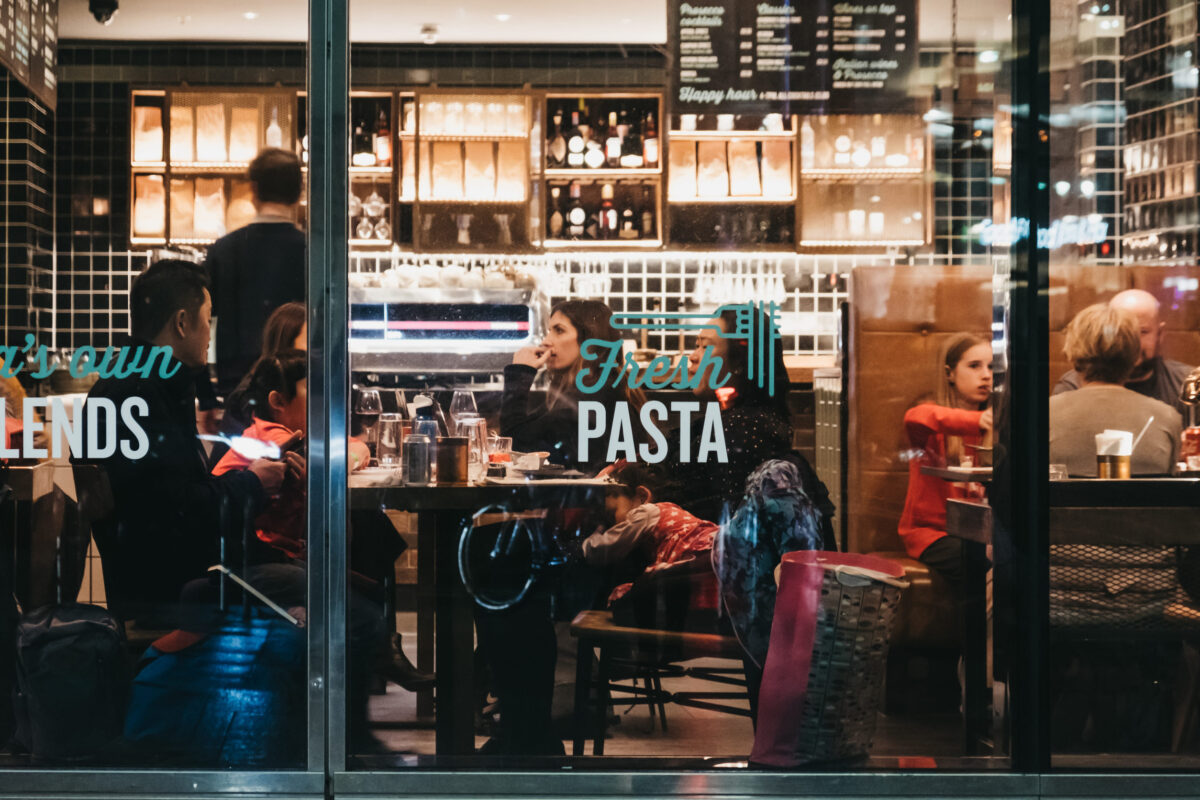
A great Italian restaurant knows exactly what it wants to be. It does not try to become a pizzeria, steakhouse, seafood restaurant, cocktail lounge, and international café at the same time. It has a clear personality.
In Italy, confidence often appears through simplicity. A traditional trattoria may offer only a small selection of starters, pasta dishes, main courses, seasonal vegetables, desserts, and wine. To many visitors, a smaller menu may seem limiting. In reality, it often shows that the kitchen focuses on freshness, quality, and dishes it has mastered.
A restaurant with an enormous menu deserves more attention before we sit down. When one place claims to specialize in pizza, pasta, seafood, steak, burgers, salads, and dozens of regional dishes, it becomes difficult to believe everything is prepared with the same level of care.
The strongest restaurants usually have a specialty. They know their ingredients, understand their traditions, and allow the food to speak.
Walk Away From Famous Landmarks Before Choosing Dinner
Italy’s most famous cities are filled with restaurants that benefit from location alone. Near the Colosseum in Rome, around the Duomo in Florence, beside Venice’s busiest canals, or near other major attractions, many restaurants depend on travelers who want convenience after hours of sightseeing.
The closest restaurant is rarely the best restaurant. A better strategy is simple: walk a few streets away. Leave the busiest tourist paths and enter neighborhoods where people live and work. The atmosphere often changes quickly. Prices become more reasonable, menus become more focused, and restaurants start serving the community instead of only visitors.
This does not mean every restaurant near a landmark is poor. Some historic city-center restaurants are excellent. The difference is whether the restaurant survives because of its reputation and food or simply because thousands of people walk past the door every day.
Read the Menu Before You Read the Reviews

Many travelers immediately check online ratings, but the menu itself can reveal a restaurant’s identity.
Authentic Italian restaurants usually reflect their surroundings. A restaurant in Rome should feel Roman. A restaurant in Bologna should celebrate Emilia-Romagna. A restaurant in Naples should highlight the traditions of southern Italy.
Regional cooking is one of Italy’s greatest strengths. Each area has its own ingredients, techniques, and history. A menu that understands its location is usually a positive sign.
A suspicious menu often feels disconnected from geography. It offers the same collection of famous Italian dishes regardless of where we are. If a restaurant could move from Venice to Rome to Florence without changing a single item, we should question how connected it truly is to local cuisine.
Be Careful With Huge Photo Menus
Food photos can be helpful, especially when we are unfamiliar with Italian dishes. However, a restaurant covered with large pictures of every meal is often designed around quick tourist decisions.
Local restaurants generally expect customers to ask questions, explore unfamiliar dishes, and trust the kitchen. They do not always need to convince people with oversized images.
The biggest warning signs include giant outdoor boards, dozens of food pictures, aggressive promotions, and menus translated into many languages before a customer even enters.
A good restaurant welcomes visitors. A tourist trap often tries to capture them.
Avoid Restaurants That Try Too Hard to Prove They Are Authentic
One of the strangest signs of a tourist trap is when a restaurant repeatedly advertises how authentic it is.
Words like “real Italian food,” “traditional Italian experience,” and “best authentic cuisine” can sound appealing, but genuine restaurants often do not need to announce their identity. Their ingredients, cooking, and reputation already communicate it.
Authenticity is usually demonstrated, not advertised.
A handwritten daily menu, a regional specialty, a family recipe, a local wine list, or a waiter proudly explaining a dish often says more than a large sign promising an “authentic experience.”
Follow Italian Dining Habits
Understanding local dining habits can help us separate tourist restaurants from traditional ones.
Italian meals follow a different rhythm from those in many countries. Lunch and dinner are often enjoyed at specific times, with restaurants taking breaks between services. A restaurant offering every meal at every hour may be designed mainly for travelers who eat around sightseeing schedules.
Again, this is not an automatic rule. Cafés, bakeries, casual restaurants, and popular tourist areas naturally operate differently. But when a restaurant claims to offer traditional Italian dining while ignoring every local dining pattern, it deserves a closer look.
Timing also affects atmosphere. A restaurant that appears empty early in the evening may simply be opening before locals arrive. A restaurant that remains empty during normal dining hours may tell a different story.
Look at Who Is Sitting at the Tables
The people inside a restaurant often provide valuable information.
A room filled with locals, families, workers, couples, and regular customers is usually a good sign. It suggests the restaurant has built trust beyond one-time visitors.
However, a restaurant full of tourists is not automatically a bad restaurant. Famous restaurants attract visitors. Some excellent places become international favorites. The important question is whether tourists are there because the food is excellent or because the location makes the restaurant impossible to miss.
A strong restaurant feels alive. It has its own rhythm. Staff recognizes returning customers. Conversations flow naturally. The dining room feels like part of the neighborhood.
Ask About the House Specialty
One of the easiest ways to discover whether a restaurant is serious is to ask what it recommends.
A simple question such as “What is the specialty of the house?” can reveal a lot.
A confident restaurant usually has an answer. The waiter may recommend a seasonal dish, a regional recipe, a local ingredient, or a meal that represents the kitchen.
A weak restaurant often gives a generic answer or immediately pushes the most expensive item.
Restaurants that care about their food are usually proud to explain it.
Eat the Food of the Region You Are Visiting
Italy’s greatest mistake is treating its cuisine as one single category.
The country is built from hundreds of local traditions. The best way to experience Italian food is to let the location guide the plate.
In Rome, explore Roman pasta dishes, local vegetables, and traditional meat dishes. In Bologna, discover fresh pasta, slow-cooked sauces, and northern Italian specialties. In Naples, experience pizza, seafood, tomatoes, and southern flavors. In Sicily, explore the island’s unique combination of seafood, citrus, spices, and Mediterranean influences.
When we order what belongs to the place, we give the restaurant the opportunity to show its true character.
Pay Attention to Small Details
Great restaurants are often revealed through details that seem insignificant.
The bread. The olive oil. The house wine. The vegetables. The dessert. The coffee.
Tourist-focused restaurants often concentrate on the main attraction: the obvious dish designed to impress visitors. Authentic kitchens usually care about everything on the table.
A simple plate prepared with excellent ingredients often reveals more skill than an expensive meal built only around presentation.
Understand Extra Charges Before Ordering
Visitors should also understand common Italian restaurant charges.
A coperto, or cover charge, is common in many restaurants. It is not automatically a problem. The important thing is transparency. Prices and additional charges should be clearly displayed before ordering.
We should be cautious when restaurants hide fees, create confusion around pricing, or pressure customers into unexpected payments.
Good restaurants value trust. They want guests to leave satisfied, not surprised.
The Best Italian Meals Often Begin With an Ordinary Door

The most unforgettable meals in Italy are not always found behind the most beautiful entrances. Sometimes they come from a small restaurant with a simple sign, a handwritten menu, and a dining room that does not need to impress anyone walking by.
The magic is not in the decoration. It is in the connection between the food and the place.
The best restaurants do not sell a fantasy of Italy. They serve Italy itself.
To find those places, we need to slow down, look beyond the obvious choices, follow local traditions, and trust restaurants that let their food do the talking.