Why More People Are Quietly Changing the Way They Spend Their Weekends
Weekends used to follow a familiar pattern for many people. Plans were made early, calendars filled quickly, and free time often came with expectations to go out, spend money, or “make the most” of the break. But something subtle is shifting in how people now approach those two short days. Across different cities and lifestyles, weekends are becoming quieter, slower, and more intentional.
This change is not loud or dramatic. It is happening in small decisions—staying in instead of going out, choosing local spots over long drives, or simply protecting time at home without filling every hour. And for many, it feels less like missing out and more like finally catching up with themselves.
The Slow Shift Away From Overplanned Weekends
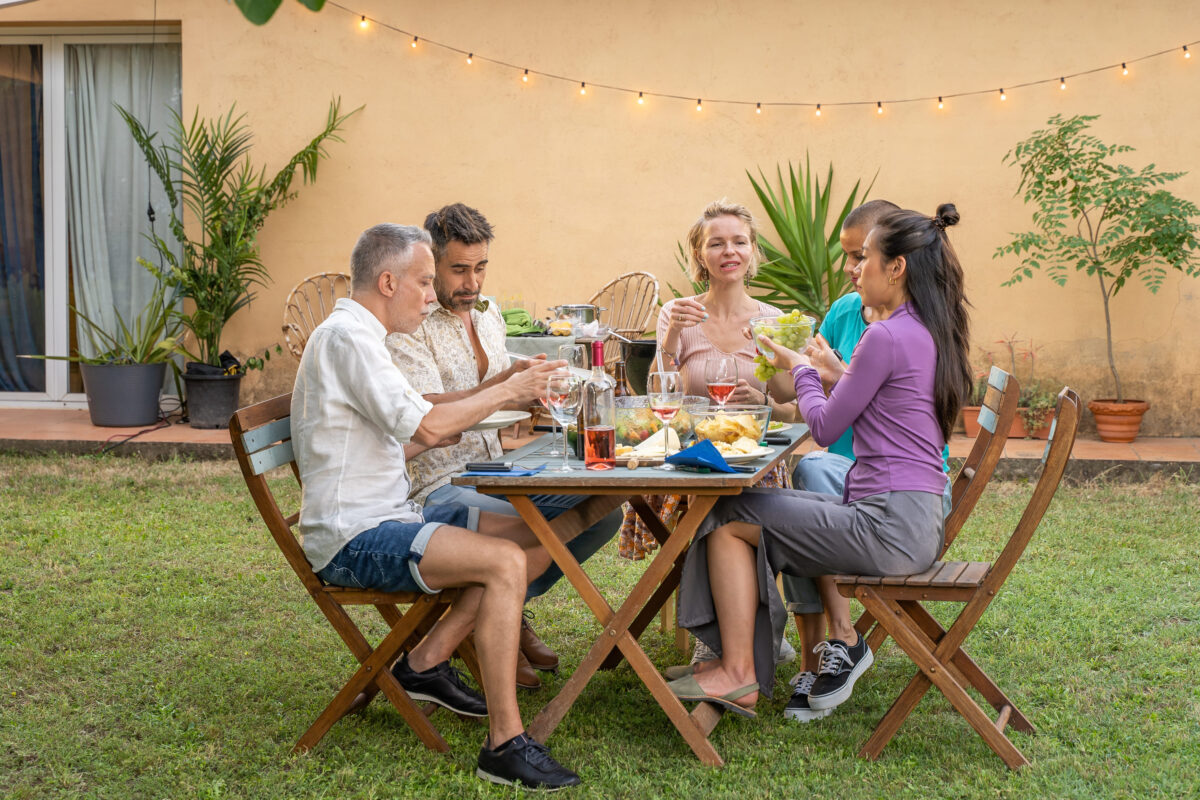
For years, weekends were treated like an extension of productivity. They were packed with errands, social plans, events, shopping trips, and outings that often left people more tired than refreshed. Even rest was scheduled, squeezed between obligations and expectations.
Now, more people are quietly stepping away from that rhythm. Instead of treating weekends as something to maximize, they are starting to treat them as something to protect. The idea of a “fully booked weekend” is slowly being replaced with something more flexible, where rest is not an afterthought but the main plan.
This shift is not about rejecting social life or activity. It is about balance. Many people are realizing that constant movement does not always equal fulfillment, and that a quieter weekend can feel more restorative than a busy one.
The Rise of Local, Low Pressure Living
One of the clearest changes is how people are redefining what it means to “go out.” Instead of expensive trips, crowded events, or long travel plans, many are turning toward simpler local experiences.
A walk to a nearby café, a visit to a neighborhood park, or a quiet afternoon in a local bookstore is replacing high-effort weekend planning. These choices feel easier, but they also feel more grounded. They require less energy, less money, and less pressure to turn the weekend into a performance.
Local spaces are benefiting from this shift as well. Small cafés, community markets, and neighborhood venues are becoming natural gathering points for people who want connection without exhaustion. The focus is no longer on doing the most, but on doing what feels manageable and meaningful.
Why Staying Home Is Becoming a Real Choice Again

For a long time, staying home on the weekend was often seen as a fallback option. It suggested boredom, lack of plans, or missed opportunities. But that perception is changing quickly.
Now, staying home is increasingly viewed as a deliberate decision. People are using weekends to reset their homes, organize their space, cook simple meals, read, watch shows without interruption, or simply enjoy uninterrupted quiet. What was once considered “doing nothing” is now being reframed as necessary recovery time.
This shift is closely tied to modern fatigue. With constant digital connection, work pressure, and social noise throughout the week, many people are realizing they do not need more stimulation on their days off. What they need is less.
The Emotional Pull Toward Simplicity
At the center of this weekend transformation is a growing emotional need for simplicity. Life during the week is often fast, reactive, and demanding. By the time the weekend arrives, many people are not looking for more intensity. They are looking for softness.
That softness can look different for everyone. For some, it is sleeping in without guilt. For others, it is a slow morning coffee without notifications. For others still, it is spending time alone without feeling unproductive.
This emotional shift is not about avoiding life. It is about reclaiming it in smaller, quieter pieces. People are no longer trying to fill every gap in their schedule. Instead, they are learning to leave space on purpose.
The Return of Intentional Rest
What is emerging is not laziness or disengagement. It is intentional rest. People are beginning to understand that rest is not something that has to be earned at the end of exhaustion. It is something that can be built into life more naturally.
This is especially visible in how weekends are now structured. Instead of full-day commitments, many people are choosing one or two meaningful activities and leaving the rest of the time open. That openness is becoming valuable in itself.
It creates room for spontaneity, but also for recovery. It allows people to respond to how they feel in the moment rather than how they planned to feel earlier in the week.
How Work Culture Quietly Influenced Weekend Behavior

The way people spend their weekends cannot be separated from how they spend their weekdays. With more blurred boundaries between work and personal life, especially in hybrid and digital environments, fatigue does not always end when the workday ends.
As a result, weekends have become more important than ever as recovery zones. But instead of using them to “catch up” on everything missed during the week, more people are using them to disconnect more fully.
This includes stepping back from social pressure, limiting unnecessary plans, and protecting time that feels unstructured. It is less about escaping life and more about rebalancing it.
A New Definition of a “Good Weekend”
The definition of a good weekend is quietly changing. It is no longer measured by how much was done or how many places were visited. Instead, it is increasingly measured by how rested someone feels when Monday arrives.
For some, a good weekend might include one social plan, one personal task, and a large amount of unstructured time. For others, it might mean staying home completely and letting the days unfold without expectation.
There is no single correct version anymore. The pressure to “make the weekend count” is slowly being replaced by a simpler question: did it feel good while it lasted?
The Bottom Line: Slower Weekends Are Becoming a Lifestyle Shift
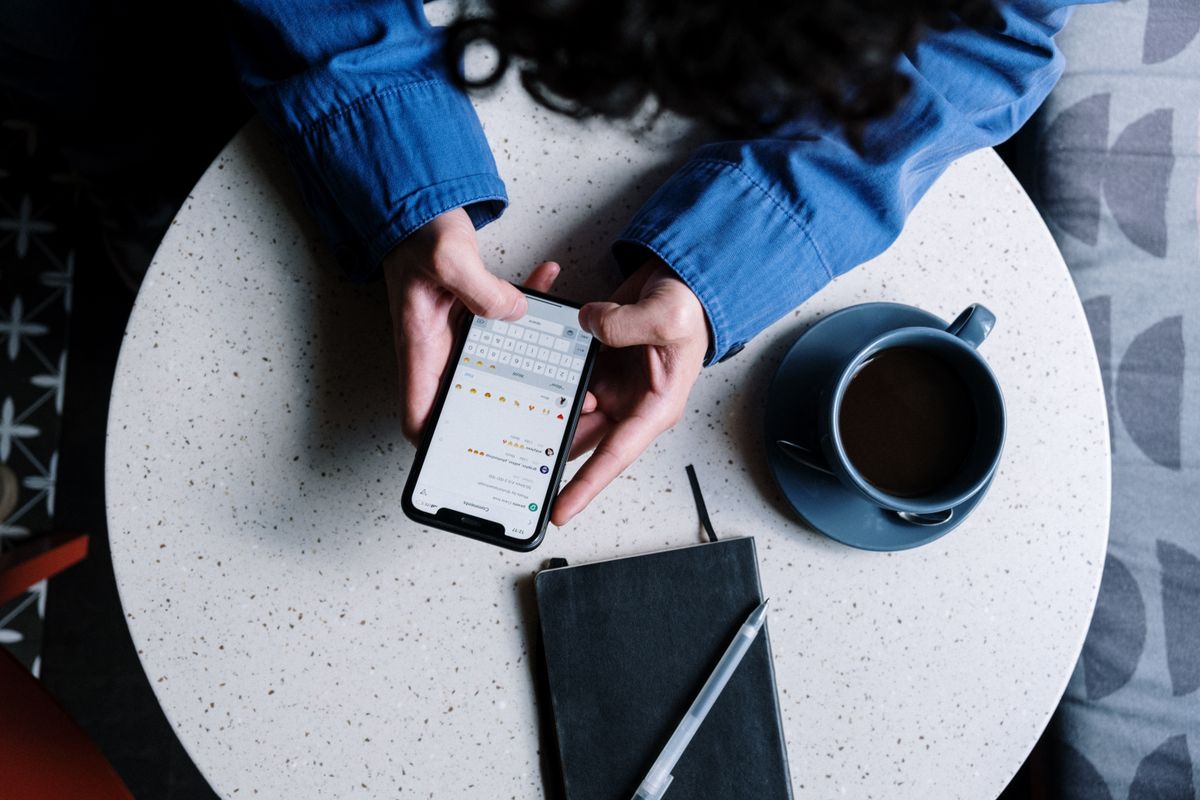
What looks like a small change in weekend habits is actually part of a larger lifestyle adjustment. People are not just rearranging their schedules. They are rethinking what rest, time, and enjoyment actually mean.
Slower weekends are not a trend in the traditional sense. They are a response to how fast everything else has become. And in that response, many are finding something they did not realize they were missing space to simply exist without pressure.
In the end, the quietest weekends are not empty at all. For many, they are becoming the most meaningful ones.