7 Ways Eating Out Keeps You Poor And What You’re Missing
Eating out feels easy, indulgent, and satisfying. The convenience, flavors, and freedom from grocery shopping or washing dishes make it an instant reward after a long day. Restaurants are designed to feel like pleasure on demand; everything from the lighting to the aroma is carefully curated to make you linger and order more. But what rarely gets discussed is how this seemingly harmless habit quietly drains your bank account, impacts your health, and slowly erodes long-term financial security. Each meal may feel small, insignificant, or justified as a reward for hard work, yet the cost compounds over time, turning comfort into a silent financial trap.
Most people ignore the problem because it doesn’t hit all at once. A $15 lunch here, a $25 dinner there, weekend brunches, coffee runs, and occasional takeout can add up to hundreds or even thousands of dollars every month. That money could be invested, saved, or used to build experiences that actually last beyond the fleeting pleasure of a meal. The issue isn’t simply about money spent; it’s about how habits shape your life, your priorities, and even your mindset toward value, convenience, and delayed gratification. What feels like a small indulgence today can quietly undermine financial independence tomorrow.
Here are seven ways eating out quietly keeps you poor and limits your potential to grow financially, mentally, and physically.
Restaurant Prices Are Inflated
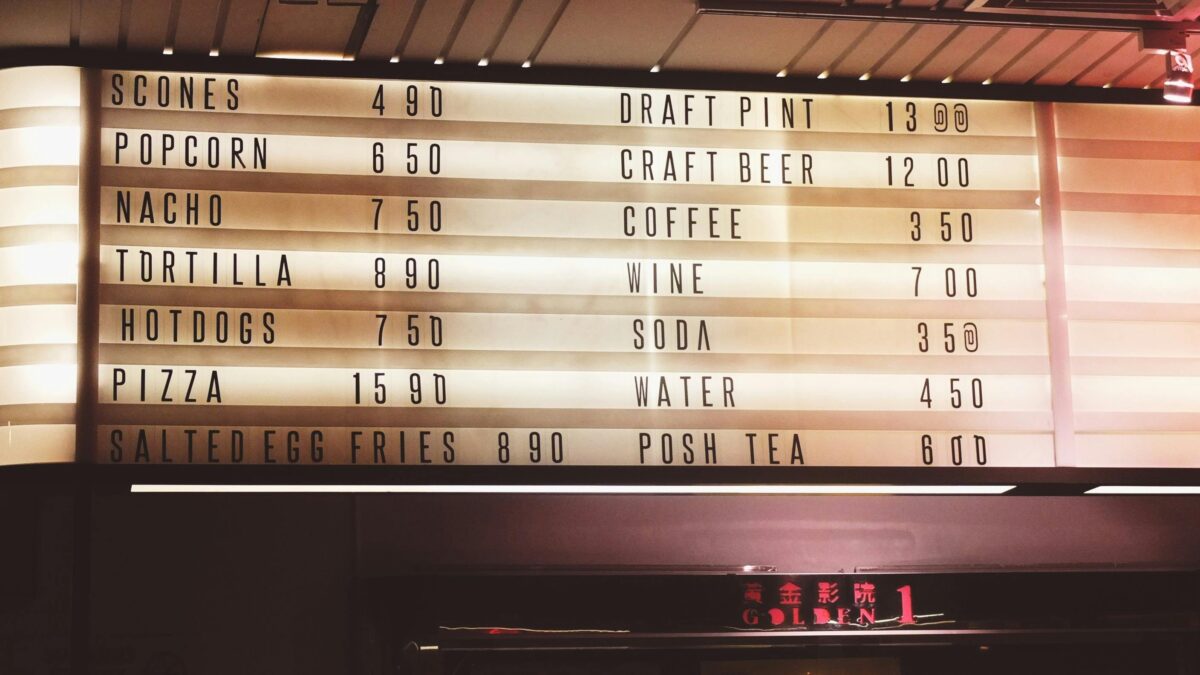
When you step into a restaurant, the price on the menu is not just for ingredients. It covers labor, rent, utilities, décor, marketing, and profit margins. A simple sandwich or salad that might cost $3 to make can easily sell for $12 or more. Every bite you eat comes with invisible overhead that you rarely consider when ordering.
This markup is not inherently wrong; it’s how businesses survive. The problem is that as a consumer, your repeated indulgence pays for convenience, ambiance, and branding, not just sustenance. Over time, what seems like small decisions accumulate. Spending $10 more per meal than it would cost to cook at home may feel trivial, but multiplying that across weeks, months, and years yields a significant financial impact. These micro expenses quietly reduce your capacity to save, invest, or fund long-term goals.
It Creates a False Sense of Affordability
Eating out often tricks your brain into believing that higher prices are justified by the experience. A restaurant meal feels like a treat, so you tell yourself, “I earned it” or “I deserve a break.” But the repeated normalization of these purchases makes you underestimate how quickly expenses add up.
Even individuals with decent incomes can fall into this trap. The perceived value of convenience obscures the real cost. While spending on enjoyment is important, it should be intentional and balanced, not habitual and unconscious. Otherwise, you create a lifestyle in which financial strain is inevitable, even when the numbers on your paycheck look sufficient.
It Promotes Spending Over Saving
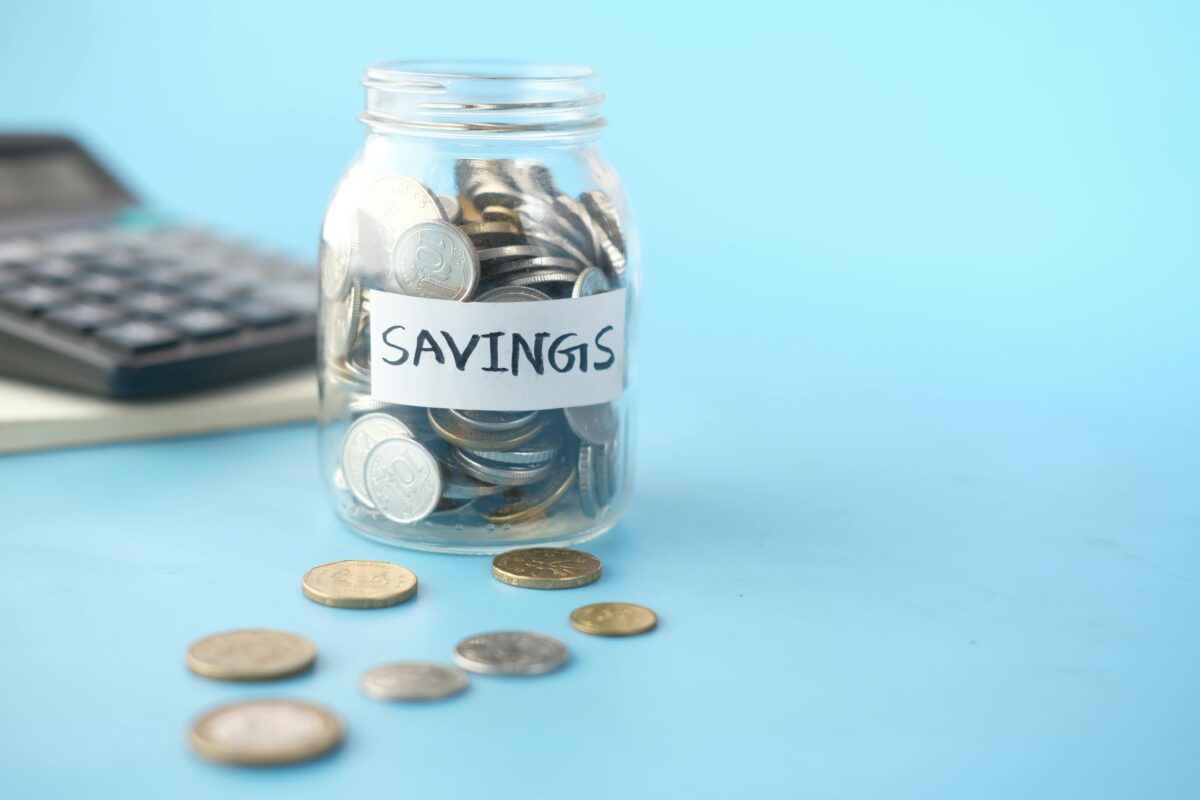
Every dollar spent on eating out is a dollar not invested, saved, or used to generate long-term wealth. When dining becomes a habit rather than a deliberate choice, money flows outward continuously without building any future security. Retirement accounts, investment portfolios, and emergency funds all these opportunities shrink when your spending consistently prioritizes short-term gratification over long-term strategy.
Habitual spending also reinforces a psychological pattern: instant reward over delayed benefit. Over time, this makes it harder to delay gratification in other areas of life, from investing to career decisions. A pattern reinforced daily in restaurants quietly rewires your financial priorities, making you reactive rather than strategic with your money.
It Reduces Awareness of True Spending
One of the most insidious effects of eating out is that it makes tracking spending difficult. Grocery costs, bills, and subscriptions are relatively easy to account for. But dining expenses are scattered, irregular, and often underestimated. That lack of clarity allows overspending to persist unnoticed, creating a financial blind spot.
People may budget for “food” in broad strokes without accounting for takeaway and restaurant meals, leaving them surprised when funds run short at month’s end. Not monitoring these microexpenses diminishes financial literacy, limits control, and prevents you from seeing the cumulative effect of repeated small indulgences. Awareness is the first step toward control, and ignoring this category is like leaving a roof leak unattended; the damage grows silently.
Undermines Nutrition and Long-Term Health

Eating out often isn’t just a financial decision; it’s a health decision too. Restaurants typically use more salt, sugar, fats, and processed ingredients than home cooks do, both to enhance flavor and to reduce preparation time. Over time, consuming higher-calorie, nutrient-poor meals can lead to weight gain, elevated medical risks, and higher healthcare costs.
The hidden cost of convenience is therefore twofold: money and health. Poor nutrition today often translates into higher medical bills and reduced quality of life tomorrow. Each “small indulgence” becomes a slow drain on both your wallet and your well-being, a cost rarely calculated at the moment of ordering.
Weakens Cooking Skills and Self-Reliance
Cooking at home develops discipline, creativity, and budgeting skills. When you outsource meals to restaurants, you also outsource your connection to food, ingredients, and preparation. Over time, you may lose confidence in cooking, budgeting for groceries, and managing your nutrition independently.
This skill erosion doesn’t just affect the kitchen. It influences your overall capacity to make deliberate, cost-conscious choices. Dependence on restaurants offers convenience at the expense of resilience, forcing you to spend more for less control over your diet, finances, and health.
Diverts Money From Opportunities That Build Wealth

Perhaps the most critical consequence is opportunity cost. The money spent eating out could instead fund investments, start a small business, pay down high-interest debt, or build a long-term emergency fund. Compound interest, long-term growth, and financial leverage all depend on retaining capital rather than spending it habitually on meals.
Redirecting even a fraction of restaurant expenses into wealth-building activities can dramatically alter your financial trajectory. Over the years, those small daily indulgences can add up to significant lost potential, a difference that often becomes painfully obvious when reviewing retirement or investment growth decades later.
Conclusion
Eating out is enjoyable, social, and sometimes even necessary, but the habit has consequences that extend far beyond the immediate satisfaction of flavor and convenience. Each meal purchased at a restaurant quietly chips away at your financial stability, long-term health, and personal growth. The costs aren’t always obvious, but over months and years, they compound into a lifestyle that favors instant gratification over future security.
Financial freedom requires awareness, discipline, and intentional choice. Small, repeated indulgences like restaurant meals are rarely trivial; they shape your priorities, mindset, and opportunities in ways that can quietly undermine your long-term goals. By taking control of this habit, monitoring spending, cooking at home, and redirecting funds into investments or health, you can turn convenience into strategy and enjoyment into growth.
Eating out doesn’t have to be eliminated, but it should be approached deliberately, not habitually. Recognizing the hidden costs allows you to make choices that strengthen your finances, improve your health, and preserve opportunities to grow rather than quietly letting money, time, and potential slip away.