10 of History’s Most Mysterious Deaths That Still Refuse to Stay Buried
Some deaths end with a funeral. Others leave behind a trail of missing evidence, strange timing, suspicious witnesses, and questions that never stop breathing. History is packed with famous figures whose final moments feel less like closed chapters and more like locked rooms with the key still missing.
These mysterious deaths continue to fascinate people because they sit between fact and fear. A body is found, a story is told, and then the details begin to wobble. Some were powerful rulers. Some were artists. Some were rebels, scientists, or public figures who knew too much, angered the wrong people, or simply died in ways that made no clean sense.
King Tutankhamun’s Young Death Still Raises Questions

King Tutankhamun died around age 19, and for centuries his death became one of ancient Egypt’s most tempting mysteries. The young pharaoh was buried in a magnificent tomb, yet his life ended so early that many wondered if murder, illness, accident, or palace politics had taken him down. Early theories focused on a blow to the head, but later examinations suggested other possible causes, including infection, malaria, and complications from a broken leg.
The mystery survives because King Tut lived inside a world of royal pressure, family rivalry, and fragile power. A teenage king surrounded by advisers, priests, and ambitious officials would have been vulnerable. Modern science has answered some questions, but it has not removed the strange feeling that his death arrived too suddenly for someone seated at the center of an empire.
Edgar Allan Poe Died in a Fog of Confusion
Edgar Allan Poe’s death sounds like something pulled from one of his own dark stories. In 1849, the famous writer was found delirious on the streets of Baltimore, wearing clothes that reportedly were not his own. He was taken to a hospital, where he slipped in and out of consciousness before dying days later.
The cause of death remains uncertain, and theories have ranged from alcohol poisoning and rabies to brain disease, assault, and political kidnapping. One popular theory suggests Poe may have been a victim of cooping, a violent election fraud practice where men were forced to vote repeatedly under different disguises. The truth remains buried beneath missing medical records, conflicting accounts, and the eerie fact that Poe’s final days still read like a mystery he never got to finish.
Cleopatra’s Death May Not Be the Simple Snake Story
Cleopatra is often remembered as the queen who died by the bite of an asp, choosing death over capture by Rome. It is a dramatic image, beautiful and tragic, but historians have long questioned whether the story is too neat. A snake small enough to hide and deadly enough to kill her and her attendants would have made for a convenient legend, especially for Roman storytellers.
Some believe Cleopatra may have used poison instead, perhaps a carefully prepared mixture that allowed her to control her final moment. Others argue that Rome had every reason to shape her death into a moral lesson about beauty, seduction, and downfall. Her death remains mysterious because the legend is so powerful that it may have swallowed the truth whole.
Wolfgang Amadeus Mozart’s Final Illness Still Sparks Debate
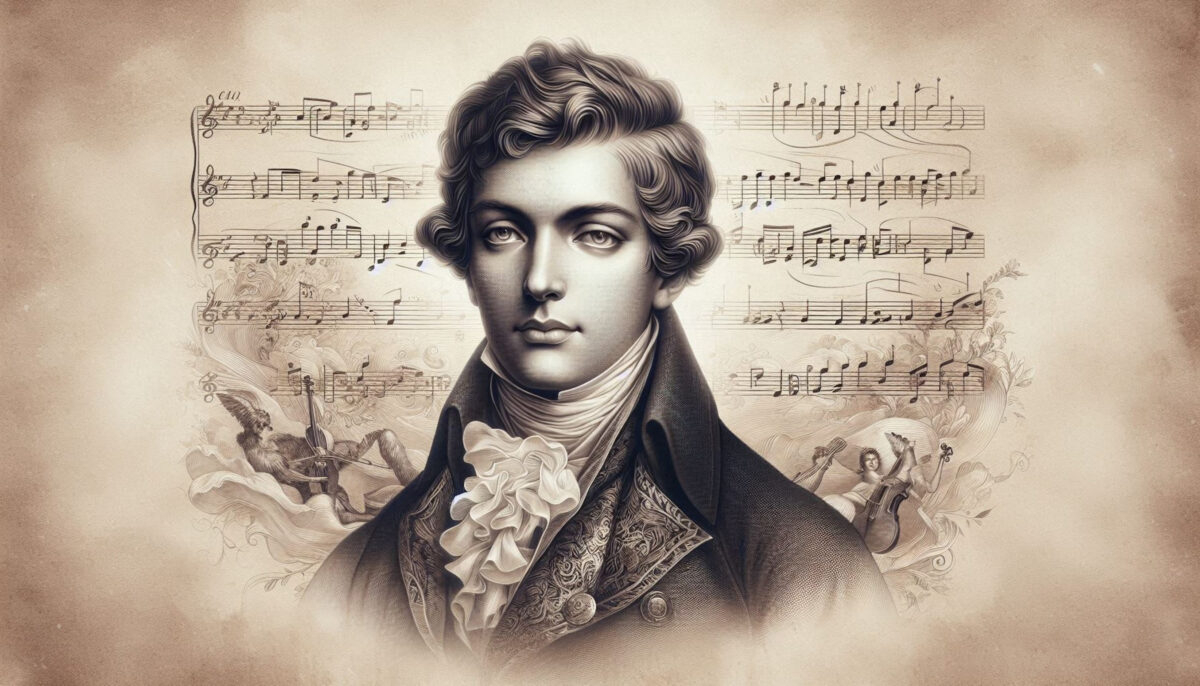
Mozart died in 1791 at only 35, leaving the world with unfinished music and endless speculation. His final illness came quickly, with swelling, fever, pain, and weakness. The official explanations have shifted over time, but no single cause has fully satisfied historians, doctors, or music lovers.
The most dramatic theory claims Mozart was poisoned, possibly by a jealous rival, though evidence remains weak. Other possibilities include kidney disease, infection, rheumatic fever, or complications from medical treatments of the era. What keeps the mystery alive is the cruel timing. One of the greatest composers in history died while working on a requiem, almost as if he were writing the soundtrack to his own disappearance.
Napoleon Bonaparte’s exile and death still feel suspicious.
Napoleon Bonaparte died in 1821 on the remote island of Saint Helena, far from the empire he once commanded. The official cause was stomach cancer, which also affected members of his family. That explanation is reasonable, but suspicion has never fully disappeared.
Later tests found arsenic in samples of Napoleon’s hair, which fueled claims that he may have been slowly poisoned. Other experts argue that arsenic exposure was common in the 19th century because it appeared in wallpapers, medicines, and household materials. The mystery remains because Napoleon was not just a sick exile. He was a defeated emperor whose enemies had every reason to keep him from returning.
Vincent van Gogh’s Death May Not Have Been Suicide
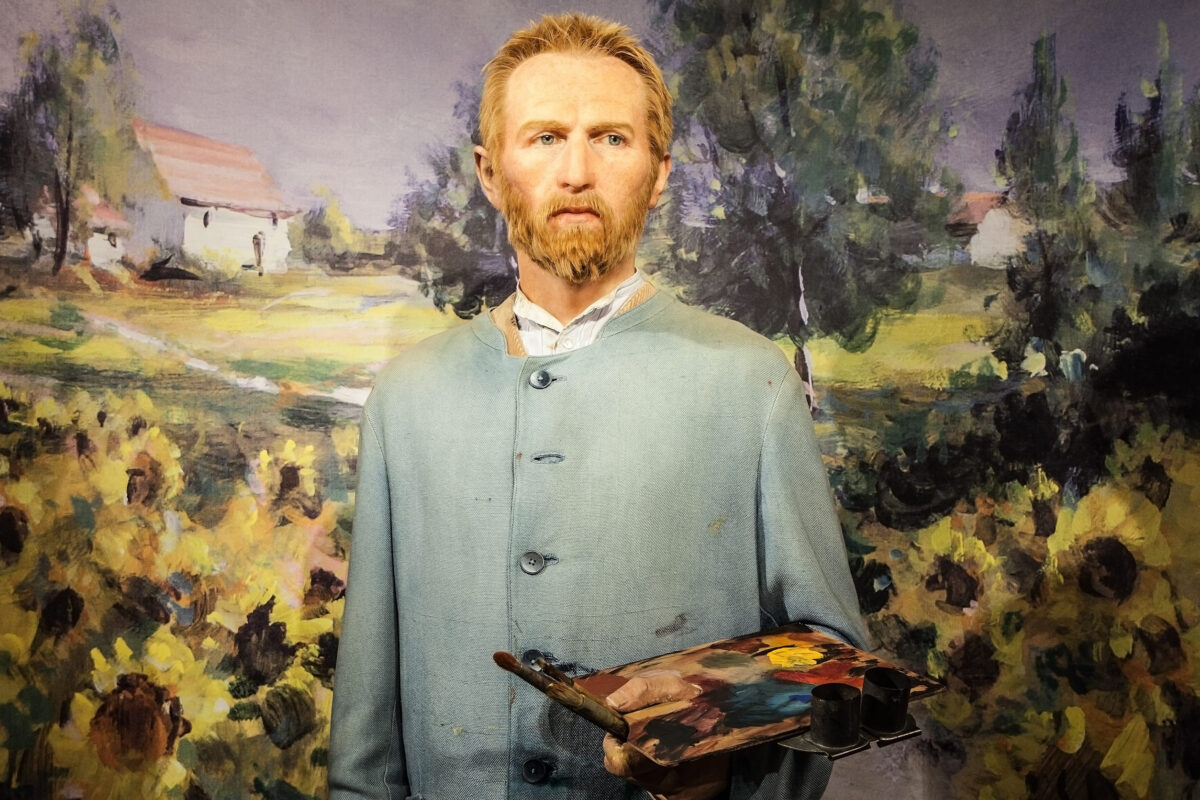
Vincent van Gogh is widely believed to have shot himself in 1890, dying two days later from the wound. For many years, that story seemed to match the pain and instability associated with his final years. Yet some researchers have questioned whether the official version explains everything.
The gun was never found, and some details about the wound raised doubts about whether Van Gogh fired the shot himself. A competing theory suggests he may have been accidentally or intentionally shot by local youths and chose to protect them by accepting the suicide story. The truth remains uncertain, but the mystery adds another layer of sadness to a life already marked by genius, rejection, and loneliness.
Princess Diana’s Death Still Fuels Public Doubt
Princess Diana died in a car crash in Paris in 1997, along with Dodi Fayed and driver Henri Paul. Official investigations concluded that the crash involved reckless driving, high speed, alcohol in the driver’s system, and pursuit by paparazzi. Yet the emotional shock of her death created a storm of public suspicion that has never fully faded.
The mystery persists because Diana had become one of the most famous women in the world, and her relationship with the royal family was under intense scrutiny. Many people struggled to accept that such a global figure could die in such a chaotic, ordinary, preventable way. Even after investigations, the crash remains one of modern history’s most discussed deaths because grief and distrust often keep questions alive.
Christopher Marlowe’s Tavern Killing Looks Too Convenient
Christopher Marlowe, the brilliant Elizabethan playwright, died in 1593 after being stabbed during a dispute in a lodging house. The official account said the fight broke out over a bill, but that explanation has always felt suspicious to many historians. Marlowe was linked to espionage, political tension, and dangerous religious accusations.
His death came shortly after he had been arrested on charges connected to atheism and heresy, which were serious threats in Elizabethan England. Some believe he was murdered to silence him. Others think the killing may have been connected to spy networks or court politics. The mystery remains powerful because Marlowe lived in a world where words could kill, secrets had value, and official stories often protected powerful people.
Grigori Rasputin’s Murder Became a Legend of Survival
Rasputin’s death in 1916 is one of the most dramatic and disputed killings in Russian history. The story says he was poisoned, shot, beaten, and finally thrown into icy water, as if he were nearly impossible to kill. That version turned him into a supernatural figure, a man whose death seemed as strange as his life.
Modern historians doubt parts of the legend, especially the poison story, but the basic truth remains brutal. Rasputin was murdered by nobles who believed his influence over the Russian royal family was dangerous. The mystery lies in how much of the famous story was real and how much was invented to make his killers seem heroic. His death became a myth because Russia itself was on the edge of collapse.
Marilyn Monroe’s Final Night Still Feels Unsettled
Marilyn Monroe died in 1962 at age 36 from a barbiturate overdose, and her death was ruled a probable suicide. Yet the circumstances surrounding her final hours have remained controversial for decades. Questions about phone calls, missing details, delayed reporting, and her connections to powerful men helped turn her death into one of Hollywood’s most enduring mysteries.
Some believe Marilyn was a fragile star overwhelmed by fame, loneliness, and personal struggles. Others suspect accidental overdose, cover-up, or something more sinister. The lack of a fully satisfying timeline keeps the mystery alive. Marilyn’s death still haunts popular culture because she represented glamour on the outside and deep vulnerability underneath, making her final night feel painfully unfinished.
Conclusion
History’s most mysterious deaths keep returning because they leave behind more than bodies. They leave gaps, contradictions, silences, and stories that feel too strange to accept without question. A clean answer may satisfy a file, but mystery feeds the human imagination.
These deaths remind us that power, fame, genius, and beauty do not protect anyone from confusion at the end. Some of these cases may have simple explanations hidden beneath centuries of rumor. Others may have been shaped by fear, politics, betrayal, or public grief. What makes them unforgettable is not just how these people died, but how stubbornly their final moments refuse to rest.