The Maintenance Costs Homeowners Often Underestimate Each Year
Homeownership is often measured by the mortgage payment, the property price, and the long-term investment potential. But for many households, the real financial pressure does not come from buying the home; it comes from keeping it running.
Year after year, maintenance costs quietly shape the true price of ownership. They do not arrive as a single large bill in most cases. Instead, they appear as small, recurring expenses that slowly add up to a significant portion of household spending.
The Quiet Reality Behind Home Maintenance
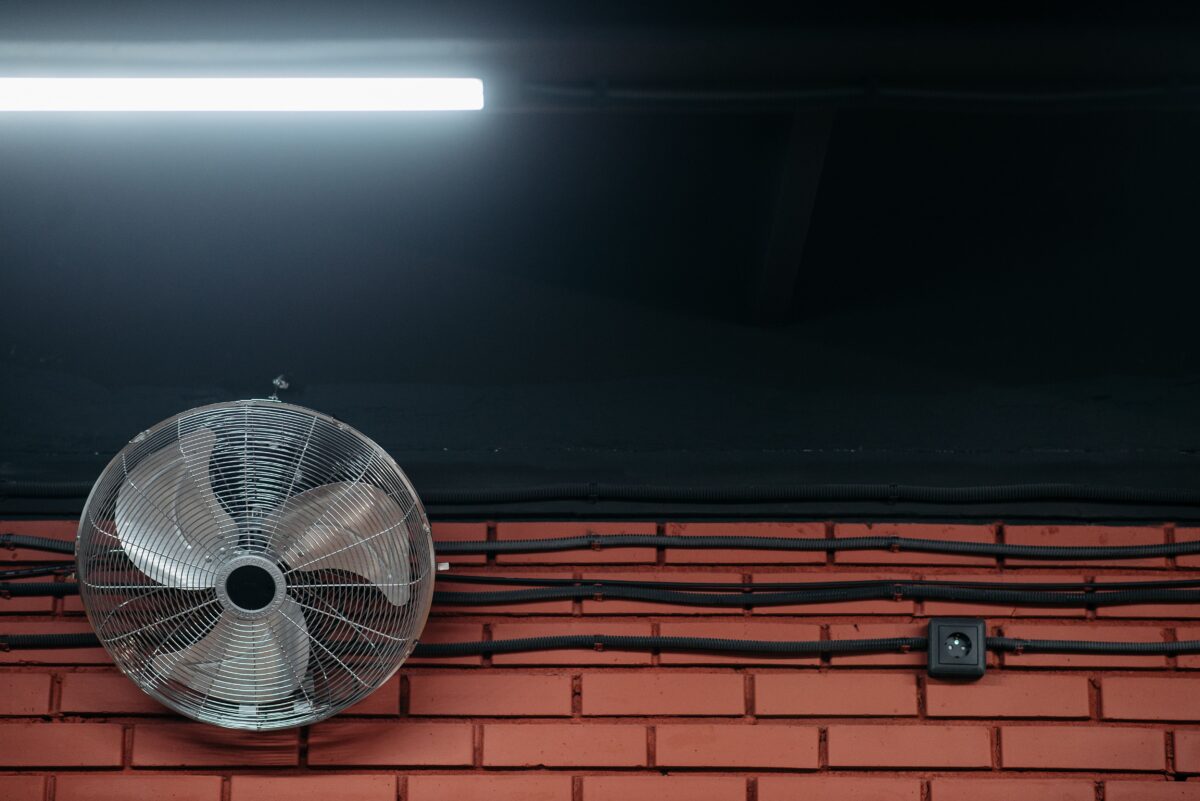
Unlike rent, homeownership comes with constant responsibility. Every system inside a home, such as roofing, plumbing, heating, cooling, electrical wiring, and appliances, has a lifespan. And none of them fail on a convenient schedule.
Many homeowners budget for obvious expenses like insurance or taxes, but maintenance often gets put off until something breaks. That is when the cost becomes visible, and it is usually more expensive than expected.
Industry estimates often suggest homeowners should set aside around 1% to 4% of a home’s value annually for maintenance and repairs. On a $300,000 home, that can translate to $3,000 to $12,000 per year. Even at the lower end, that figure can reshape monthly budgeting decisions.
Small Repairs That Add Up Faster Than Expected

The most underestimated part of home maintenance is not the major repair; it is the accumulation of smaller ones.
A leaking faucet, a faulty switch, a clogged drain, or a broken hinge may seem minor on their own. But over the course of a year, these issues often recur in different forms. Each repair might cost a small amount, but together they create a steady financial drain.
What makes this especially challenging is timing. These expenses rarely follow a predictable cycle. They appear when budgets are already stretched during holidays, school seasons, or after other large household bills.
Appliances Do Not Last Forever

Modern homes rely heavily on appliances, and while they improve convenience, they also introduce long-term replacement costs.
Refrigerators, washing machines, dryers, dishwashers, and HVAC systems all have limited lifespans. Even with proper maintenance, replacement becomes inevitable.
When one of these systems fails unexpectedly, the cost is rarely small. In many cases, homeowners must make urgent decisions: repair at a high cost or replace entirely. Either option can disrupt monthly financial planning.
Energy efficiency upgrades add another layer. While they may reduce utility bills over time, the upfront investment can feel significant, especially when multiple systems need attention at once.
Seasonal Costs That Catch Homeowners Off Guard
Maintenance spending is not evenly spread throughout the year. Seasonal changes often trigger spikes in home-related expenses.
Winter can bring heating system repairs, insulation issues, or pipe problems. Summer often increases demand on cooling systems, leading to breakdowns or servicing costs. Spring and fall tend to reveal roofing, drainage, or exterior maintenance needs.
These seasonal patterns create spending cycles that can feel unpredictable, even though they are somewhat expected. Homeowners who are unprepared often experience financial strain during these peak maintenance periods.
The Rising Cost of Labor and Materials

Another factor driving higher maintenance expenses is the cost of labor and materials.
In many regions, repair services have become more expensive due to increased demand, supply chain pressures, and rising operational costs. Even simple jobs often require minimum service fees that were lower in previous years.
Building materials such as lumber, wiring, plumbing components, and insulation have also experienced price fluctuations. This means even small repairs now carry a higher baseline cost than they did in the past.
For homeowners, this shift changes the entire equation. Tasks that once felt affordable can now require more careful financial planning.
DIY Savings Are Not Always Enough
Many homeowners attempt to reduce costs by handling small repairs themselves. While this can work for basic tasks, it does not eliminate larger maintenance obligations.
Online tutorials and home improvement guides have made DIY repairs more accessible, but they also come with limitations. Mistakes can lead to bigger issues, and some systems require licensed professionals by law or warranty requirements.
As a result, DIY efforts often reduce only a portion of total maintenance costs, not the full burden.
The Emotional Side of Home Maintenance Spending
Beyond financial impact, maintenance costs also carry a psychological weight.
Unexpected repairs create a sense of instability. A home is meant to represent security, but sudden expenses can challenge that feeling. Even financially stable households may feel pressure when multiple repairs happen close together.
This uncertainty is part of what makes maintenance feel “underestimated.” It is not only the cost itself, but the lack of predictability that affects how homeowners experience it.
Why Maintenance Costs Matter More Than Ever
As housing prices rise and affordability becomes more complex, maintenance costs are becoming a larger part of the ownership equation.
For new homeowners, these expenses can come as a surprise. For long-term owners, they become an ongoing reality that requires planning and adaptation. The key issue is not that maintenance costs exist; they always have.e. The difference today is that they are rising alongside broader economic pressures, making them harder to absorb without adjustment.
A Hidden Layer of Homeownership
Maintenance costs represent a hidden layer of homeownership that rarely gets attention during the buying process. Yet over time, they become one of the most consistent financial responsibilities a homeowner faces.
They are not dramatic or sudden in most cases. Instead, they build quietly, through repetition and necessity, shaping the real cost of owning a home in ways many people only fully understand after several years.
In the end, homeownership is not just about acquiring property. It is about sustaining it. And that sustainability depends on understanding the ongoing maintenance costs that too often go underestimated.